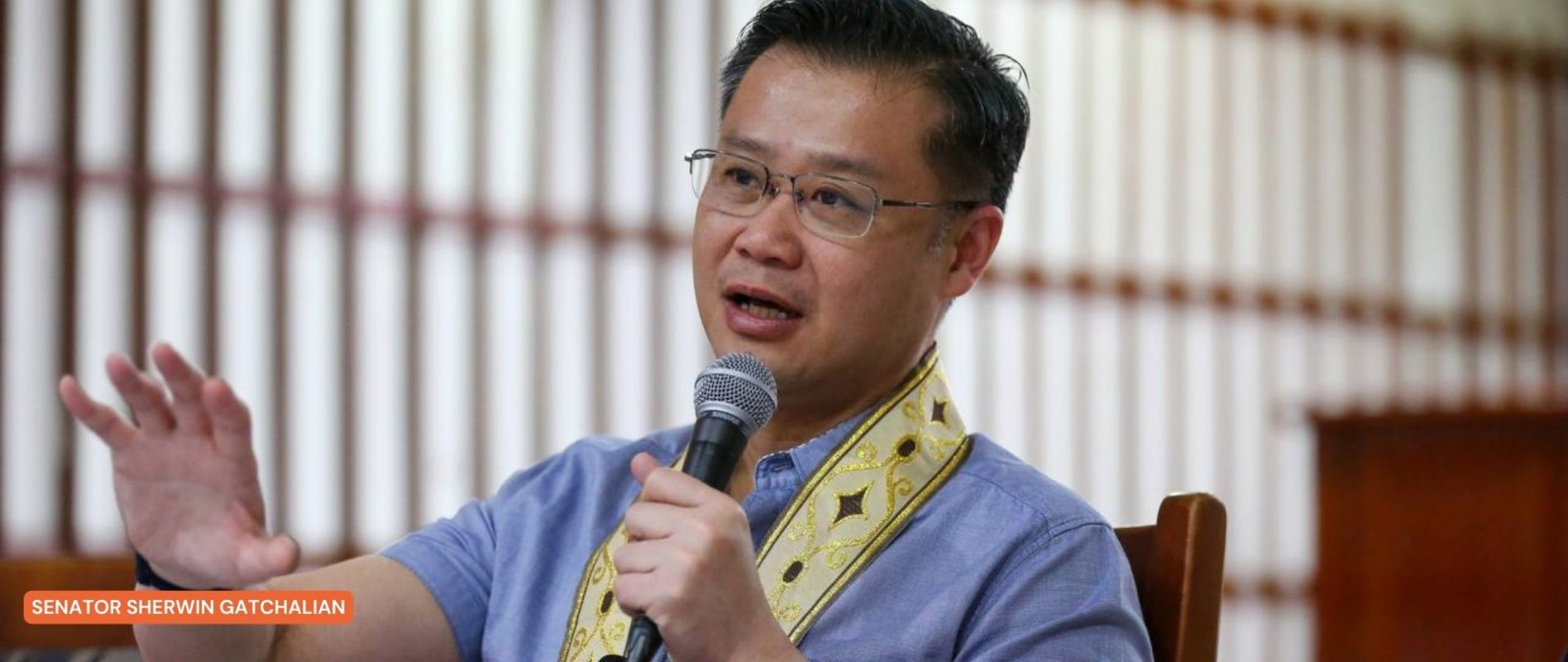
SENATE OKS UNIVERSAL SCHOOL FEEDING FOR K-3
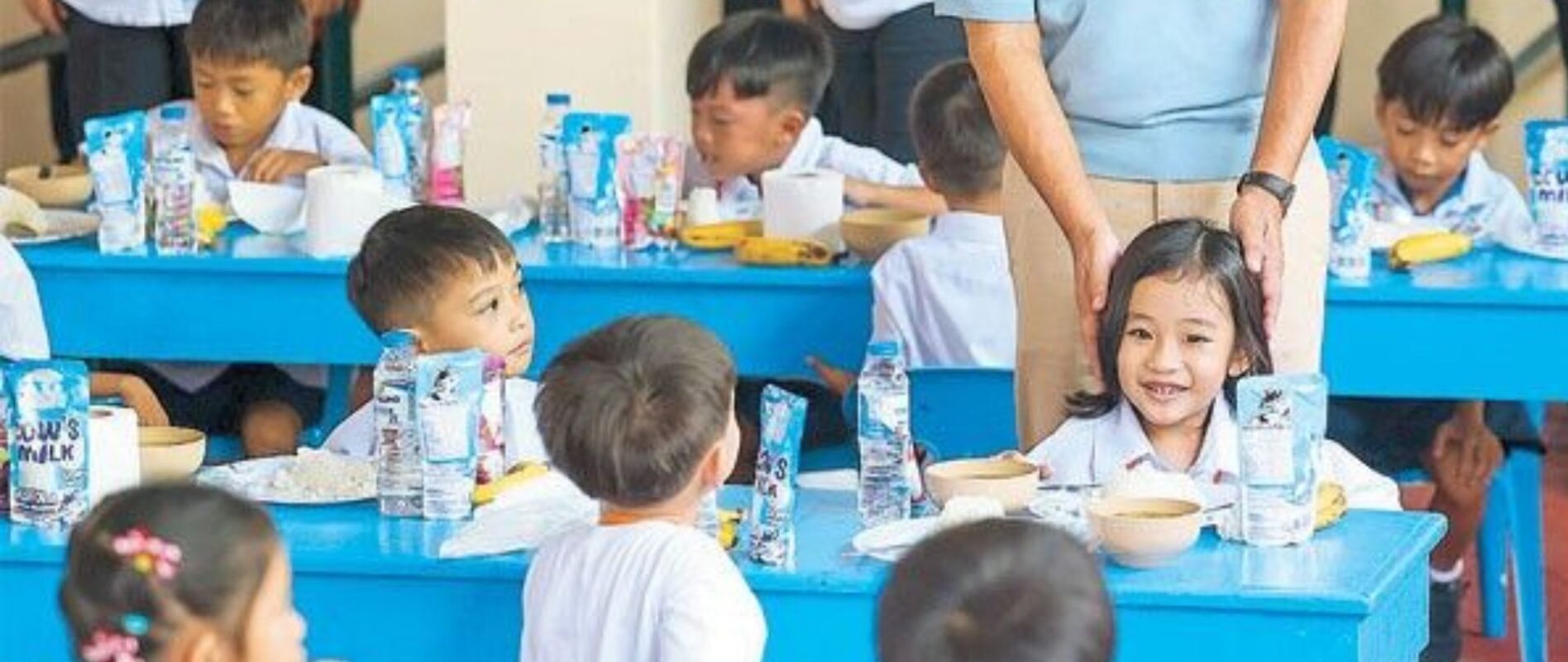
THE SENATE has approved on third and final reading a measure expanding the country’s national nutrition program, including the mandatory provision of universal feeding for all public school pupils from kindergarten to Grade 3 and stronger support for local farmers and fisherfolk.
Senate Bill No. 2272, which seeks to amend Republic Act No. 11037, or the Masustansyang Pagkain Para sa Batang Pilipino Act, was approved with 19 affirmative votes, no negative votes and no abstentions.
Sen. Bam Aquino, sponsor of the measure, said the proposed Expanded National Nutrition Program would address one of the most urgent reforms needed in education by combating undernutrition, which he described as a major barrier to effective learning among Filipino children.
The bill introduces three key reforms: a life-stage nutrition approach covering maternal care through high school; universal feeding for all kindergarten to Grade 3 pupils in public schools; and a Universal Health Record system to monitor children’s growth and ensure coordinated care among government agencies.
It also expands the program beyond undernourished children by extending nutrition interventions throughout a child’s developmental stages, from pregnant mothers and toddlers to high school students.
To strengthen implementation, the Department of Health, Department of Social Welfare and Development, Department of Education, National Nutrition Council and Department of the Interior and Local Government are tasked with maintaining integrated data systems for continuous monitoring and case management.
The measure also seeks to boost local agriculture by requiring at least 50 percent of agricultural and fishery products used in school hot meals to be purchased directly from accredited farmers, fisherfolk and their cooperatives.
Payment for the products must be released within 15 working days after delivery.
The bill likewise provides targeted nutrition support for Indigenous learners, children with disabilities, pregnant students and families living in geographically isolated and disadvantaged areas.