DEPED BOOSTS SCHOOL GARDENS TO WEATHER SUPER EL NIÑO, SUSTAIN FEEDING PROGRAMS
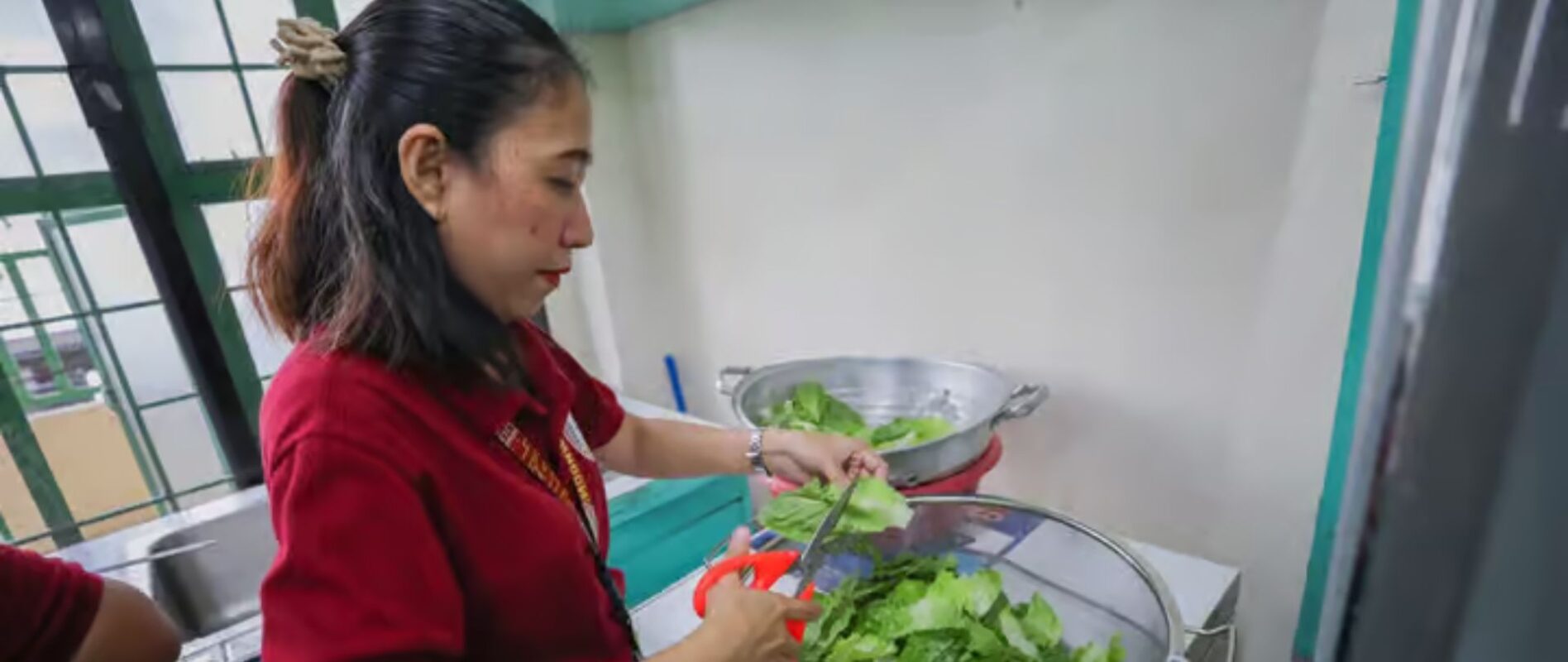
THE DEPARTMENT of Education (DepEd) is strengthening its Gulayan sa Paaralan Program (GPP) in public schools nationwide to help sustain school feeding initiatives amid potential agricultural disruptions brought about by Super El Niño.
The initiative shifts toward climate-resilient farming strategies, prioritizing drought-tolerant and fast-growing crops while maximizing year-round vegetable production to ensure the uninterrupted implementation of the government’s flagship school feeding programs.
Education Secretary Sonny Angara stressed that protecting school gardens is crucial to advancing national priorities on food security, hunger mitigation, and child welfare.
“Kailangan nating maging handa at resourceful sa gitna ng hamon ng El Niño. Sa ilalim ng administrasyon ni Pangulong Marcos, prayoridad natin na hindi maputol ang suporta sa nutrisyon ng ating mga mag-aaral,” Angara said.
“Hindi lang ito simpleng pagtatanim ng gulay; tinuturuan natin ang ating mga kabataan ng katatagan at pagtutulungan, habang sinisiguro nating may sapat at masustansyang pagkain sa bawat mesa ng eskwelahan.”
To address prolonged dry spells, extreme heat, and limited water supply that could threaten conventional planting cycles, the enhanced GPP framework calls on schools to adopt more climate-adaptive crop selection and soil management practices.
Instead of water-intensive crops, school gardens will prioritize fast-growing, drought-resistant, and nutrient-rich varieties, including mung beans, okra, malunggay, saluyot, alugbati, and sweet potatoes.
DepEd is also promoting water conservation measures to maintain garden productivity despite possible water shortages. These include organic mulching, rainwater harvesting, alternate-day watering schedules, and drip irrigation systems.
Meanwhile, to accommodate urban schools and those with limited gardening spaces, the department is rolling out standardized guidelines for soil-less and vertical farming. These approaches include container gardening, hydroponics, and stacked planting systems.
Through these measures, DepEd aims to make school gardens more resilient to climate-related challenges while ensuring a steady supply of nutritious vegetables to support learners’ health and the continuity of school feeding initiatives.