P17.8-B EARMARKED FOR CHILD NUTRITION PROGRAMS IN 2027 BUDGET
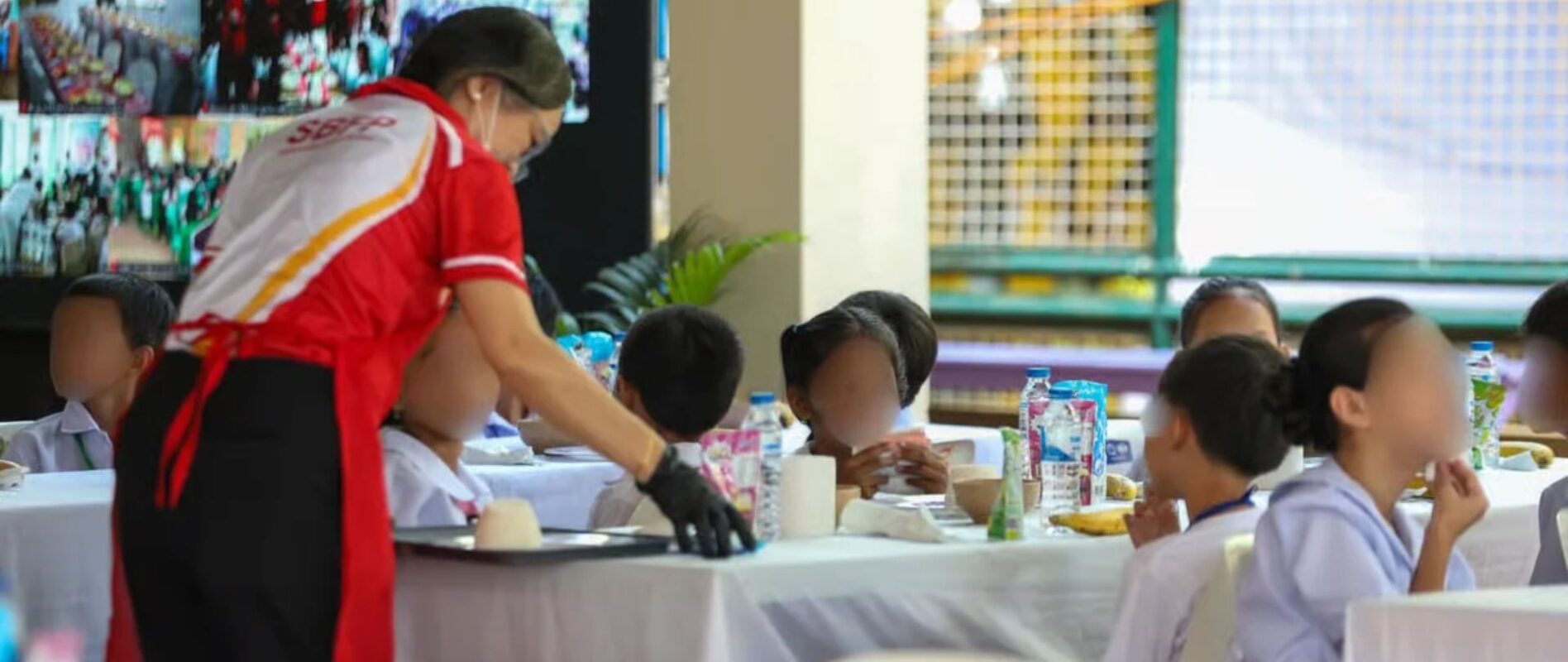
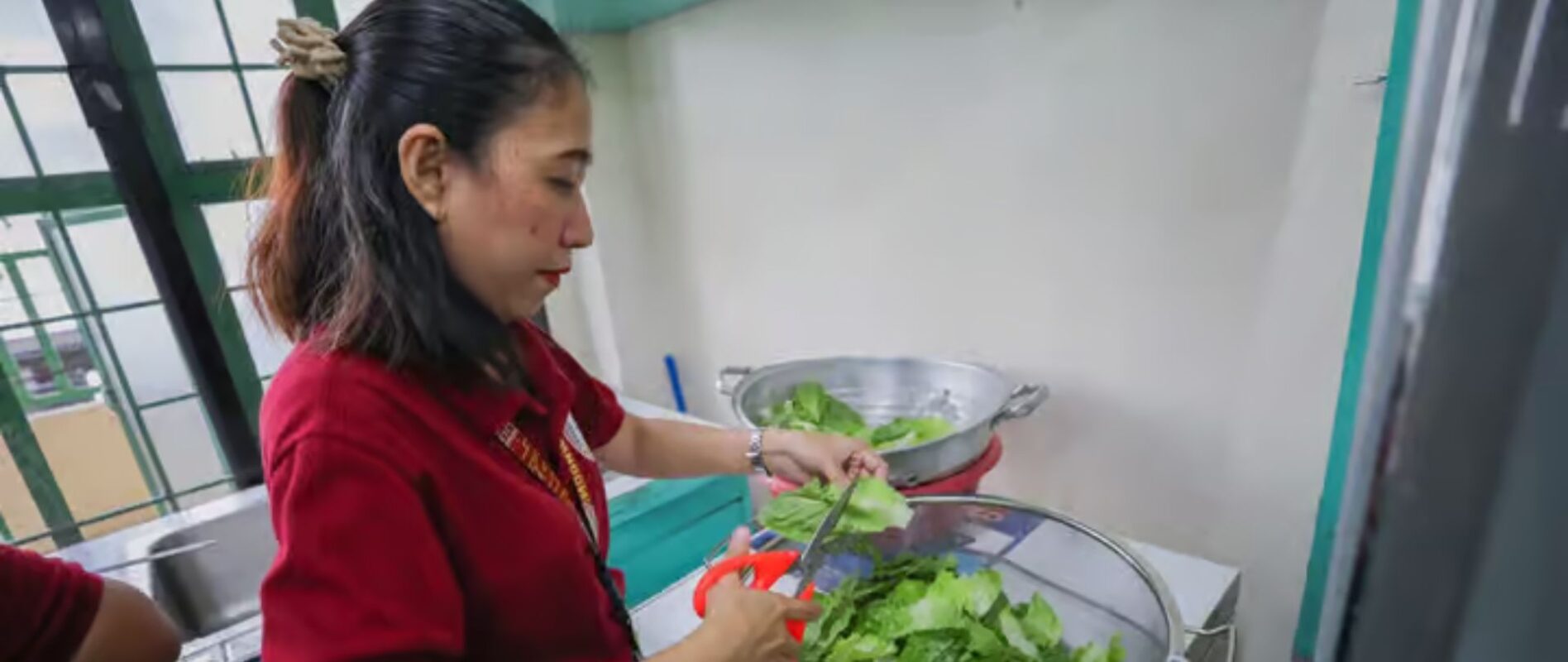
THE GOVERNMENT is proposing P17.8 billion in funding next year for feeding programs aimed at providing nutritious meals to undernourished children in public schools and day care centers.
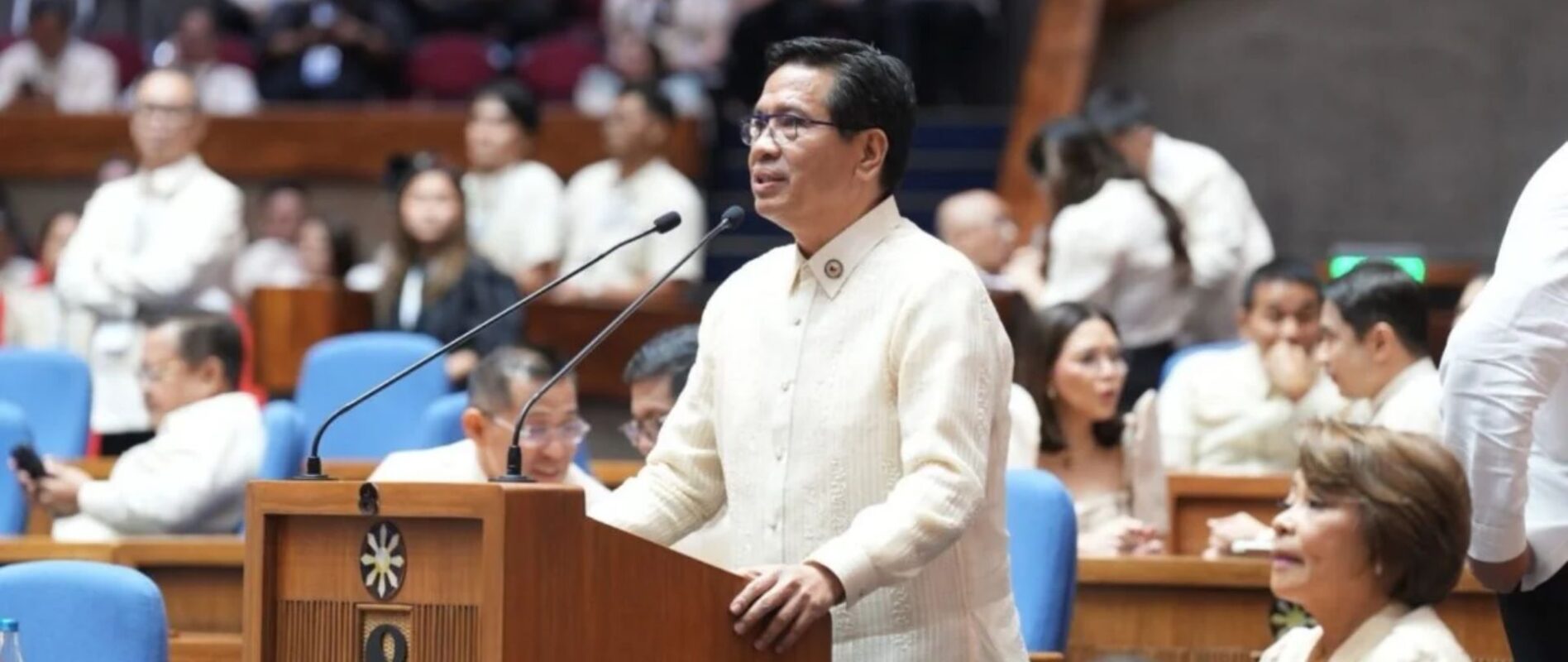
House Minority Leader and 4Ps Party-list Representative Marcelino “Nonoy” Libanan said the proposed 2027 National Expenditure Program (NEP) allocates P11.4 billion for the School-Based Feeding Program (SBFP) and another P6.4 billion for the Supplementary Feeding Program (SFP).
Libanan highlighted the proposed funding as the country marks the start of National Children’s Month this November, underscoring the need to prioritize children’s health and nutrition.
He stressed that proper nutrition should be viewed as an essential investment in children’s future, noting that hunger can undermine their ability to concentrate, participate in classroom activities, and keep up with their lessons.
The lawmaker also emphasized the need for sustained government intervention amid persistent hunger among Filipino families.
A Social Weather Stations (SWS) survey found that 20.3 percent of Filipino families experienced involuntary hunger at least once in the second quarter of 2026.
Separately, OCTA Research reported that self-rated hunger increased to 21 percent in July 2026, from 17 percent in March.
The School-Based Feeding Program, administered by the Department of Education (DepEd), provides meals to kindergarten learners and pupils in Grades 1 to 6 identified as wasted, severely wasted, stunted, or severely stunted.
The program also covers learners at risk of dropping out, as well as children from indigenous communities and indigent households.
Meanwhile, the Supplementary Feeding Program, implemented by the Department of Social Welfare and Development (DSWD), provides nutritious meals to preschool children enrolled in public child development centers and those participating in supervised neighborhood play activities.
Libanan also called on the government to prioritize sourcing food supplies from local farmers and dairy producers whenever possible.
He said this approach would not only help address child malnutrition but also provide support to Filipino agricultural workers and strengthen local food production.