HOUSE PANEL BEGINS DELIBERATIONS ON TEACHER PROTECTION BILL
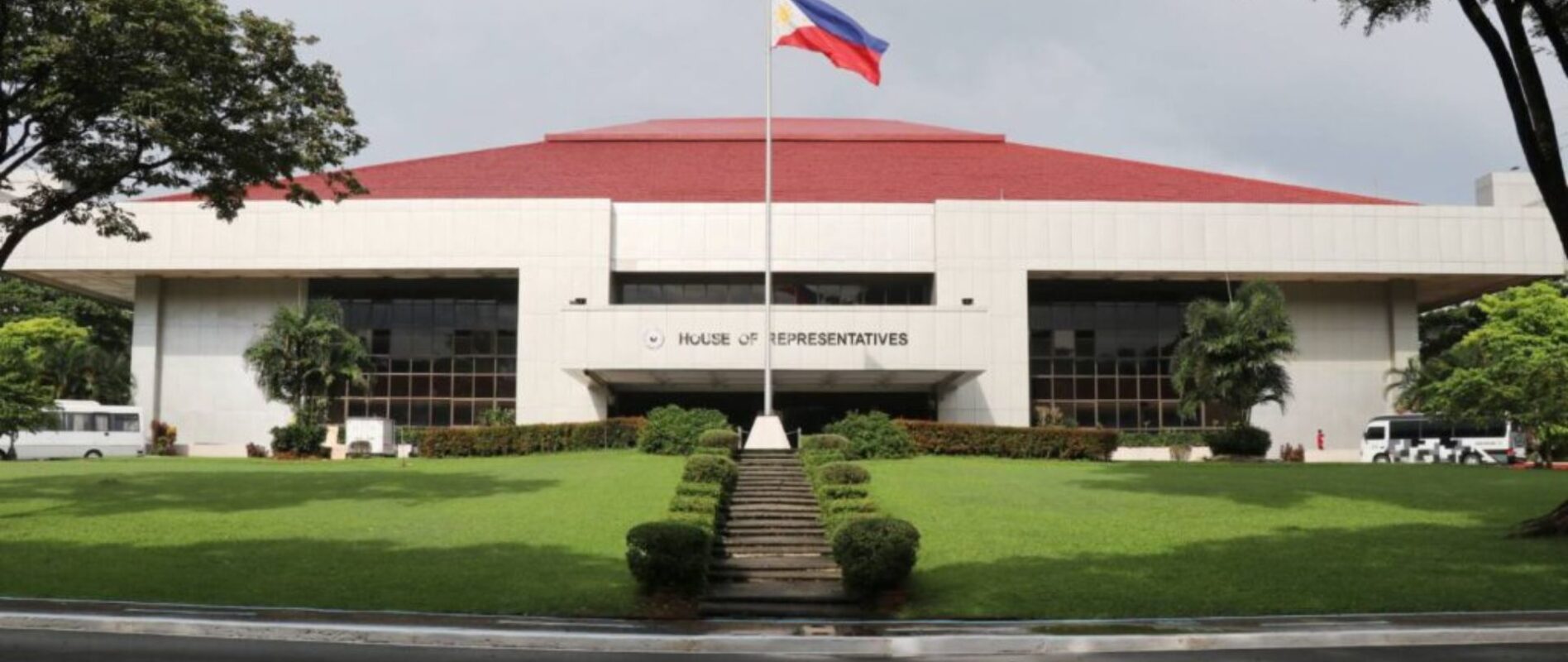
THE HOUSE of Representatives has begun deliberations on a proposed Teacher Protection Bill aimed at strengthening safeguards for educators against harassment, intimidation, threats, and other forms of abuse arising from the performance of their professional duties.
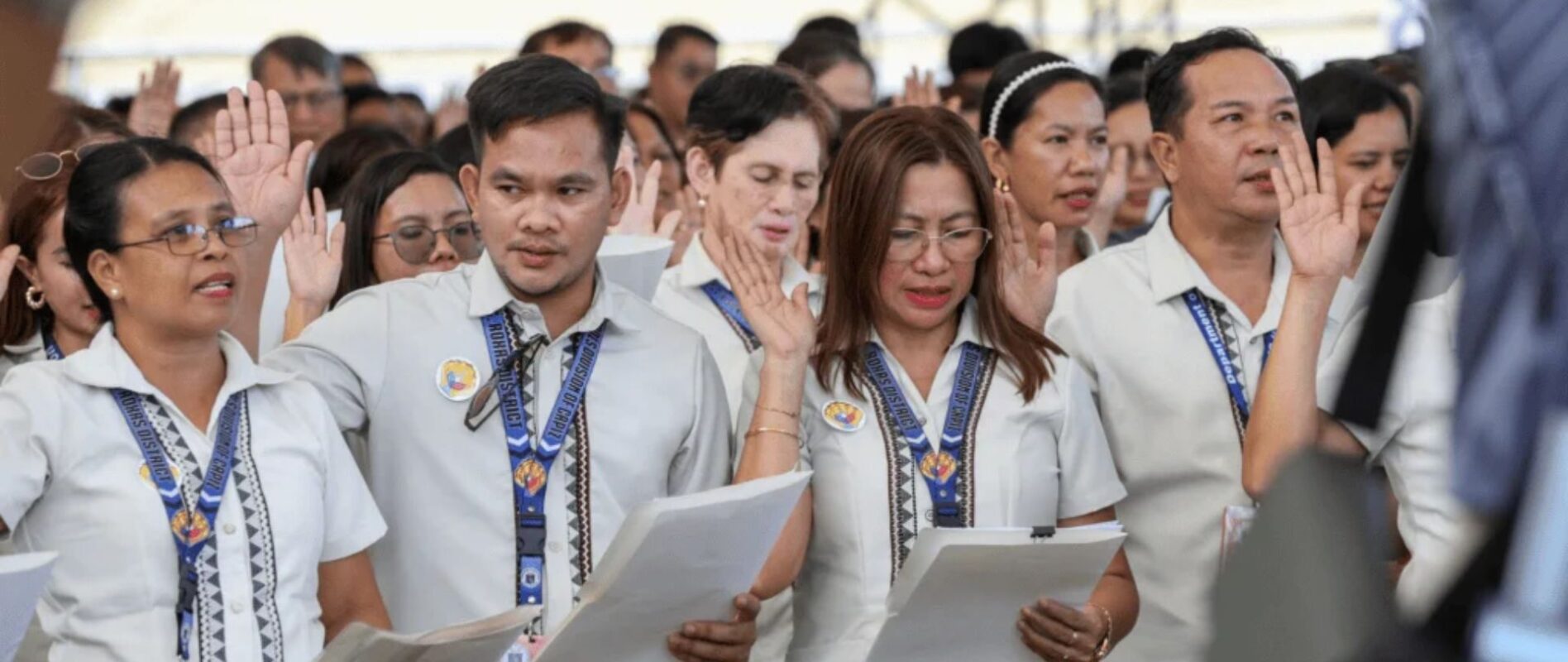
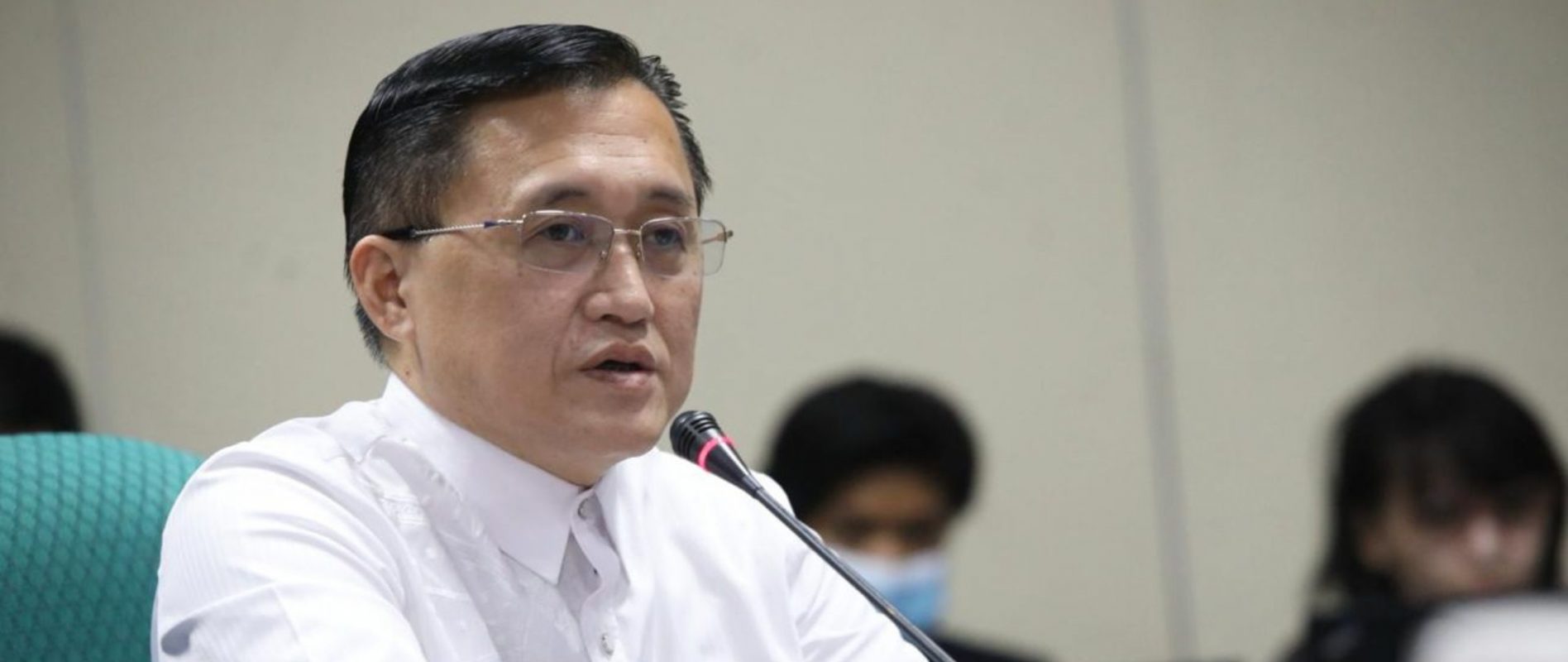
During a recent hearing of the House Committee on Basic Education and Culture, chaired by Pasig City Rep. Roman Romulo, lawmakers emphasized the need to address growing concerns among teachers who increasingly face complaints, social media attacks, and legal disputes, often with limited institutional support.
The Second Congressional Commission on Education (EDCOM 2) presented findings showing that while the measure seeks to protect teachers from harassment and baseless accusations, it does not yet explicitly cover disputes involving parents, guardians, and educators.
Citing a 2025 study by Galfo and Canoy, EDCOM 2 identified verbal abuse from parents, legal threats and complaints, and social media harassment as among the most common forms of parental aggression experienced by teachers.
The commission noted that many conflicts between parents and teachers stem from misunderstandings of school policies, differing expectations regarding teacher performance, and limited awareness of educators’ responsibilities and workload.
EDCOM 2 also found that some teachers hesitate to enforce discipline due to fears that disputes with parents may escalate into formal complaints or legal action.
In addition, the commission observed that existing support systems for teachers are often inadequate, leaving many educators to manage conflicts on their own.
Representatives from the Office of the Solicitor General and the Public Attorney’s Office expressed support for the bill’s objectives but recommended further refinements to certain provisions to avoid unintended legal consequences.
Department of Education Undersecretary Wilfredo Cabral stressed that any teacher protection measure must remain aligned with existing child protection laws and should not restrict the rights of children and parents to seek appropriate remedies when necessary.
Other stakeholders, including the Council for the Welfare of Children and the Civil Service Commission, also raised technical concerns on how the proposed legislation would interface with existing child protection policies, administrative disciplinary procedures, and civil liability rules.
“The purpose of this measure is not to make teachers immune from accountability. We need to ensure that they have due process and adequate protection against harassment and baseless accusations while performing their professional duties,” Romulo said.
“Accountability and child protection mechanisms must go hand in hand so that legitimate concerns can still be properly reported. Protection plus accountability,” he added.
Throughout the hearing, committee members expressed broad support for the bill’s intent to protect teachers from harassment, intimidation, and abuse, while ensuring that accountability mechanisms and learners’ rights remain fully safeguarded.
Recognizing the need for further refinements and the resolution of technical issues raised during discussions, the committee referred the proposed Teacher Protection Bill to a Technical Working Group for further study and refinement before it is taken up again for formal consideration.