DEPED EYES SURPLUS FARM PRODUCE FOR HOT SCHOOL MEALS
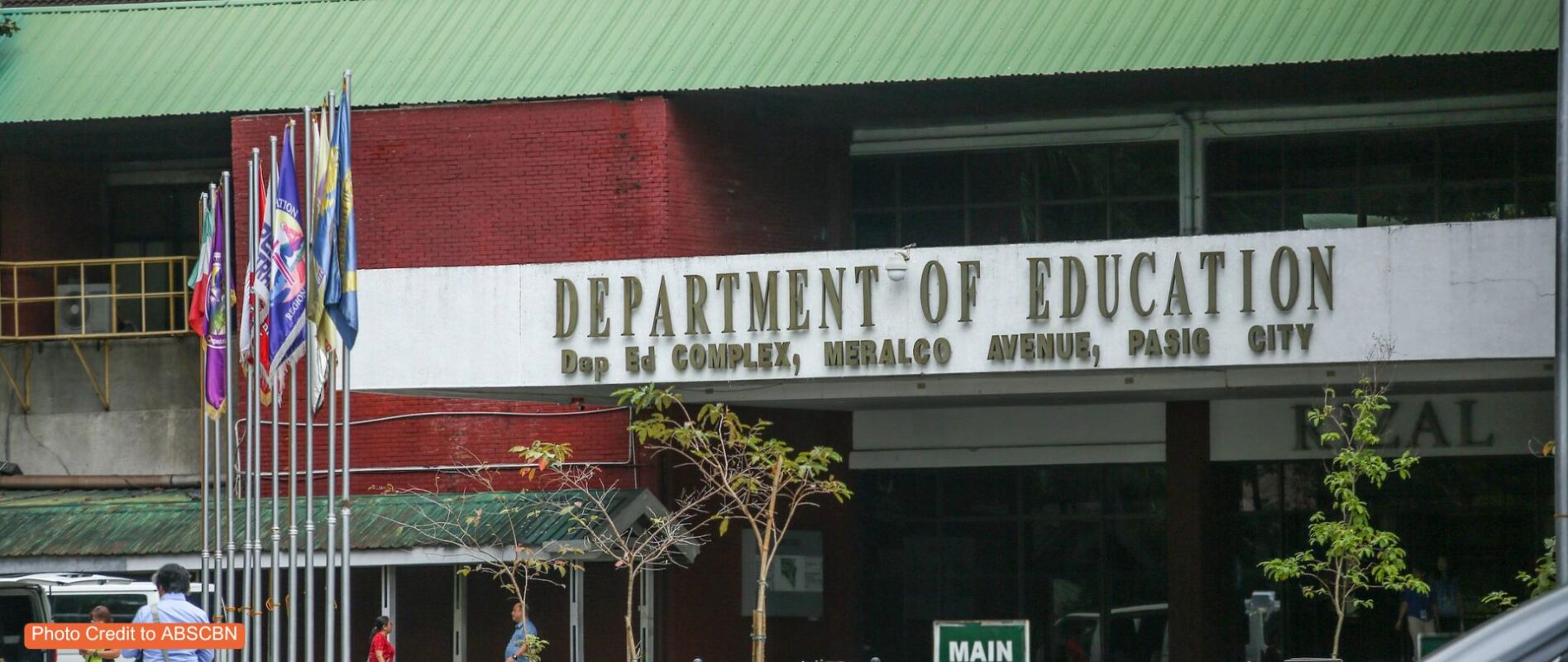
THE DEPARTMENT of Education (DepEd) is exploring ways to turn surplus farm produce into hot school meals, helping prevent fresh vegetables from going to waste, particularly during the rainy season.
With the expanded School-Based Feeding Program (SBFP) now reaching 4.6 million beneficiaries, including all Kindergarten and Grade 1 learners, DepEd is looking at ways to channel suitable surplus vegetables to schools, subject to food safety standards and program requirements.
“Gusto nating makatulong sa ating mga magsasaka habang sinisiguro na may masustansya at mainit na pagkain sa ating mga paaralan para sa ating learners,” Education Secretary Sonny Angara said.
DepEd is encouraging companies, organizations, and individuals to support the initiative through the Adopt-a-School Program by purchasing vegetables directly from farmers and donating them to schools for use in the feeding program.
Qualified private partners may avail themselves of the 150 percent tax deduction provided under the Adopt-a-School Act.
DepEd is also exploring a partnership with the Department of Agriculture (DA) on cold-storage solutions. During the rainy season, vegetables often spoil because of transport delays or farmers’ limited access to proper storage facilities. The two agencies may explore the use of available cold-storage facilities to preserve suitable produce until it can be transported to schools.
DepEd is likewise institutionalizing Republic Act No. 11321, or the Sagip Saka Act, within the SBFP.
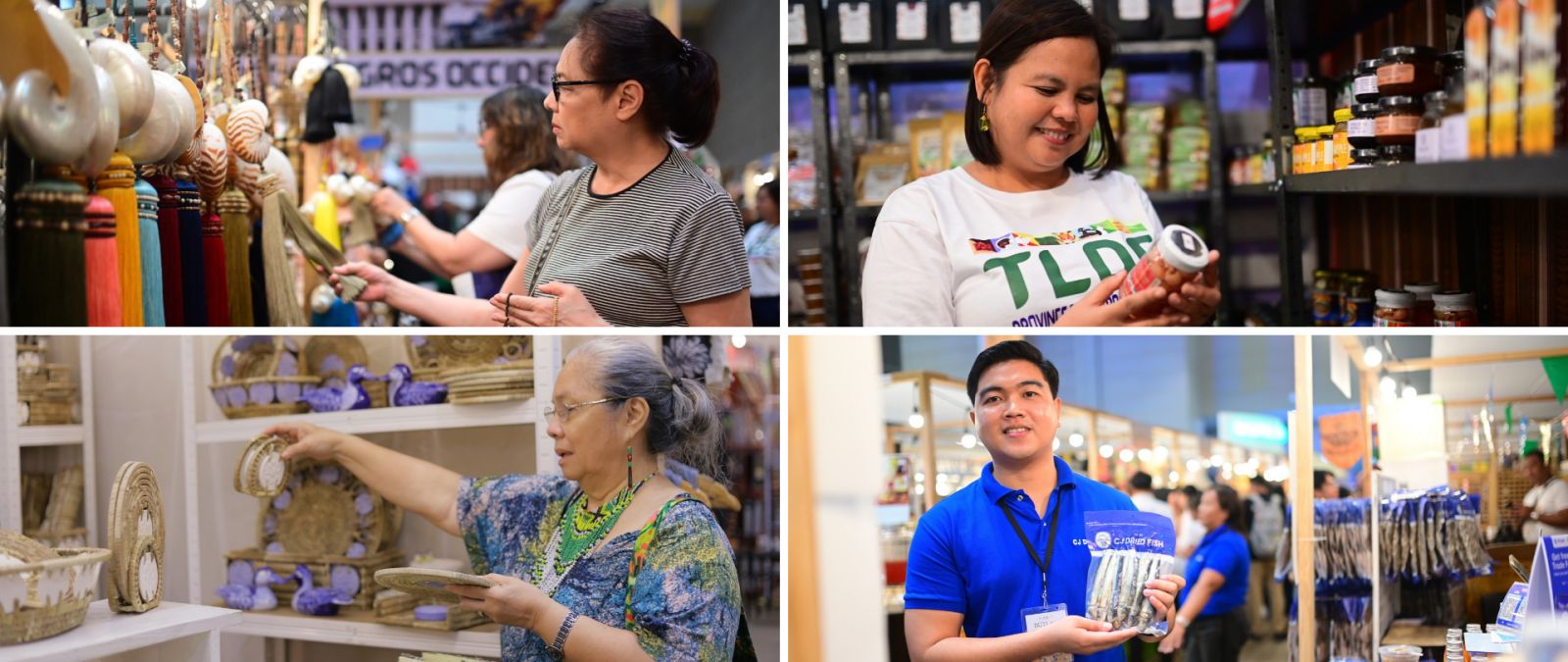
The law allows Schools Division Offices and schools to use negotiated procurement, bypassing lengthy public bidding processes, to purchase fresh produce directly from local agricultural and fishery enterprises.
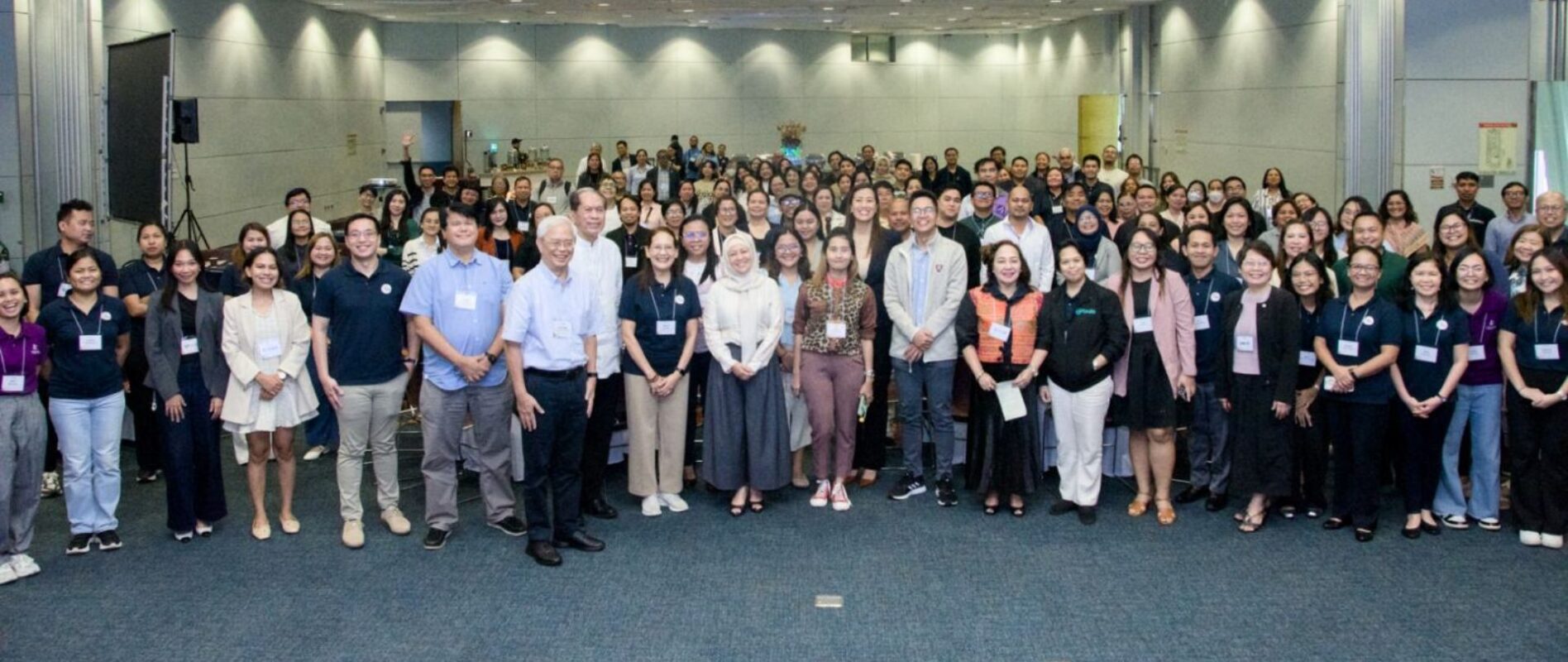
To ensure smooth implementation, DepEd, in collaboration with the DA and the Sagip Saka Secretariat, is conducting capacity-building workshops to train field personnel on the use of Sagip Saka procurement guidelines for the direct purchase of produce from farmers.
“Our broader direction towards hot meals for our learners will empower our local farmers and fisherfolk through the Sagip Saka mechanism. Our goal is simple: help our farmers, reduce food waste, and turn good vegetables into nutritious, hot meals for our learners,” Angara said.