HOUSE BILL SEEKS STRONGER CAMPUS SAFETY, CRIME PREVENTION COMMITTEES
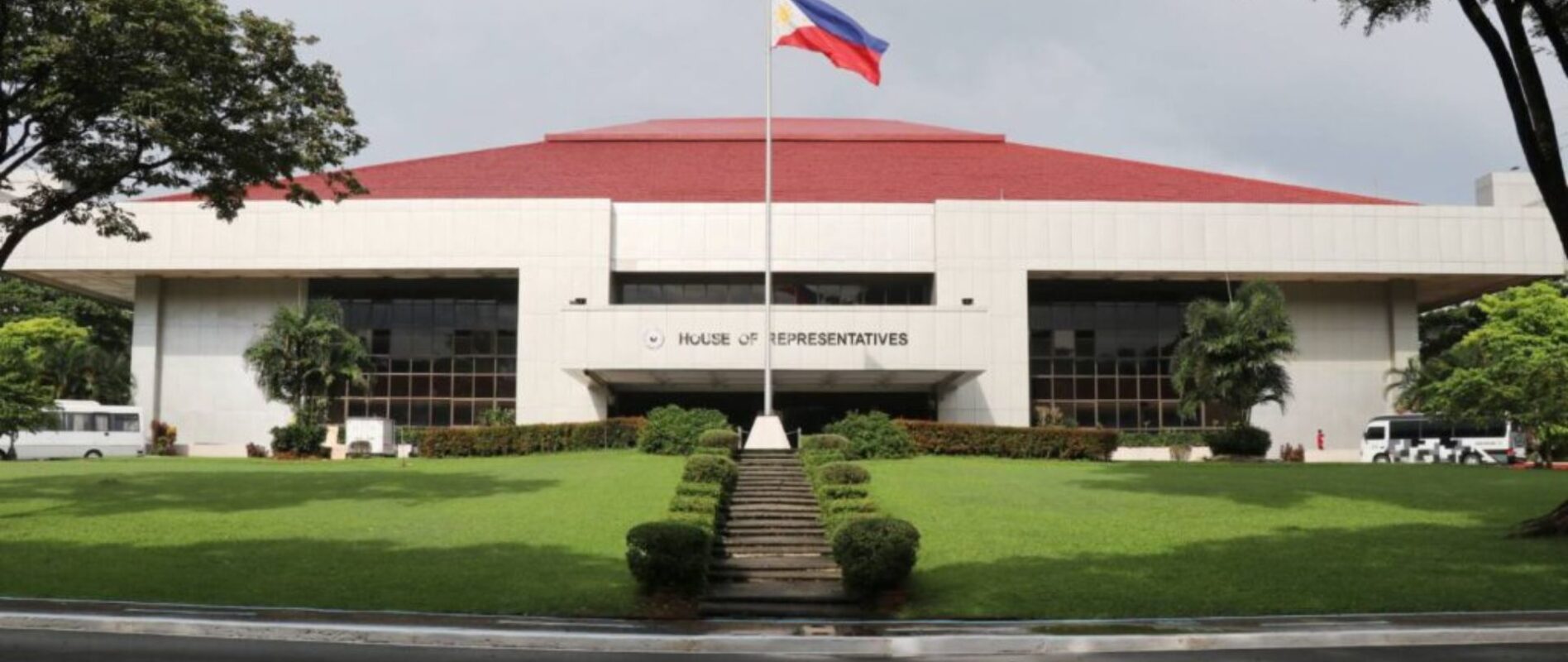
A PROPOSED measure in the House of Representatives seeks to strengthen safety and security in higher education institutions (HEIs) and technical-vocational institutions (TVIs) by requiring them to establish comprehensive crime prevention programs.
House Bill No. 6649, filed by Representatives Rufus B. Rodriguez and Maximo B. Rodriguez Jr., seeks to institutionalize campus safety measures through the proposed Campus Safety and Security Act.
The bill would require all HEIs and TVIs to provide safe and secure environments for students, including facilities that comply with government standards and the deployment of licensed and competent security personnel.
It would also require schools to establish mechanisms to help students prevent crime and protect themselves and their belongings from internal and external threats.
A key provision of the proposed measure is the creation of a Crime Prevention Committee (CPC) in every HEI and TVI.
The CPC would formulate policies and strategies to address threats such as theft, robbery, rape and other forms of violence occurring within and outside school premises.
Among its responsibilities would be the development of a Crime Prevention Strategy in consultation with school officials, the local chief of police, the punong barangay and other security specialists.
The strategy would cover campus procedures for reporting crimes and emergencies, security and access to school facilities, campus law enforcement policies, and programs aimed at educating students and employees on crime prevention and personal security.
The CPC would also establish policies encouraging the prompt reporting of crimes to campus security and appropriate law enforcement agencies.
It would coordinate with school officials in maintaining peace and order within school premises and recommend seminars and training on crime and drug prevention and control in coordination with law enforcement agencies.
The proposed committees would likewise conduct information drives on the Crime Prevention Strategy and distribute copies to students and employees each semester.
The measure also calls for policies addressing alcoholic beverages, underage drinking, illegal drugs and drug-related education programs.
HEIs would submit the composition of their CPCs, Crime Prevention Strategy and planned activities to the Commission on Higher Education (CHED), while TVIs would submit the same to the Technical Education and Skills Development Authority (TESDA) through their respective regional offices.
The bill proposes that CHED and TESDA, in coordination with the Department of Education, the Philippine Association of State Universities and Colleges, private education associations, and local colleges and universities, issue implementing rules and regulations within 90 days after the law takes effect.
The proposed legislation aims to make campus safety a more systematic responsibility of educational institutions while strengthening coordination among schools, local authorities and law enforcement agencies.