SENATOR PUSHES 20% STUDENT DISCOUNT ON MOBILE LOAD, INTERNET
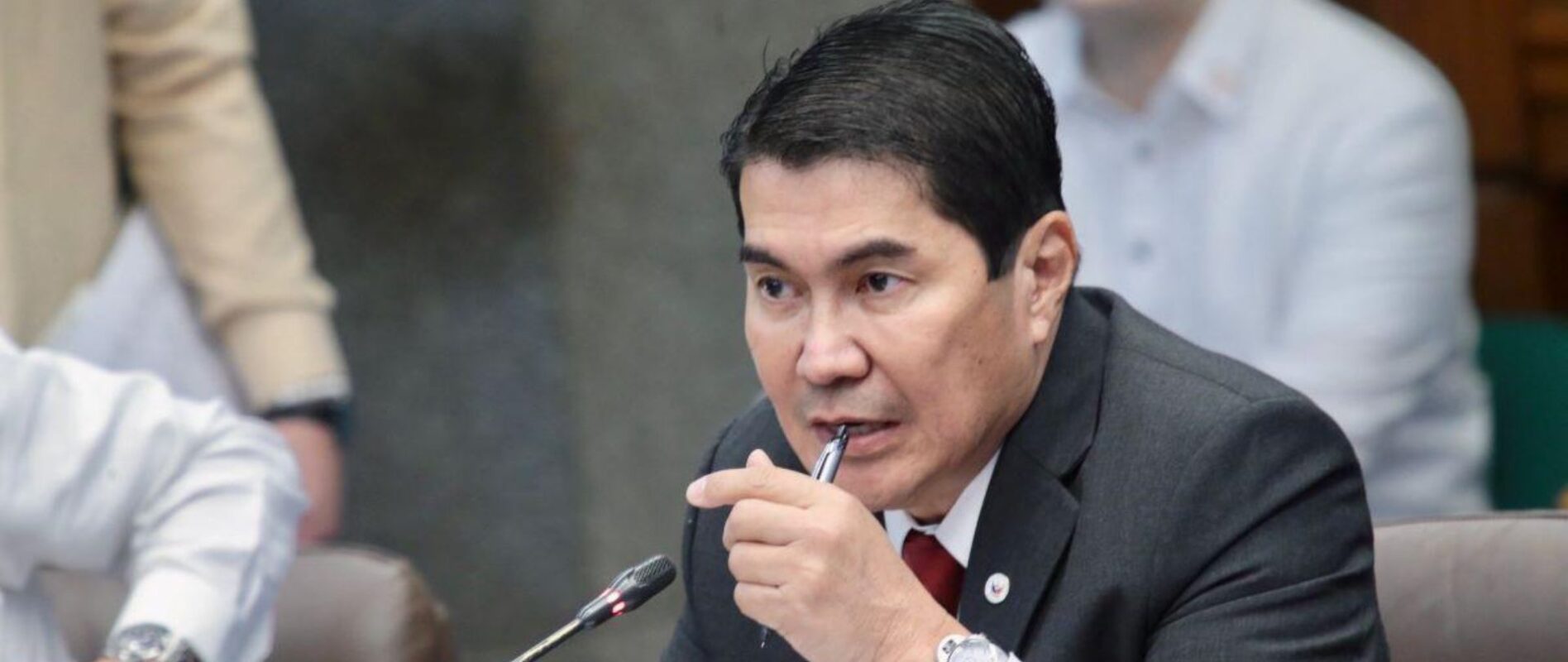
AMID repeated shifts to online classes due to severe weather conditions, Senator Erwin Tulfo is pushing for a 20% discount on mobile prepaid load, postpaid plans, and mobile internet packages for all enrolled Filipino students.
Senate Bill No. 2275, or the proposed “Student Load Discount Act,” seeks to ease the financial burden on families struggling to keep up with the growing data requirements of modern education.
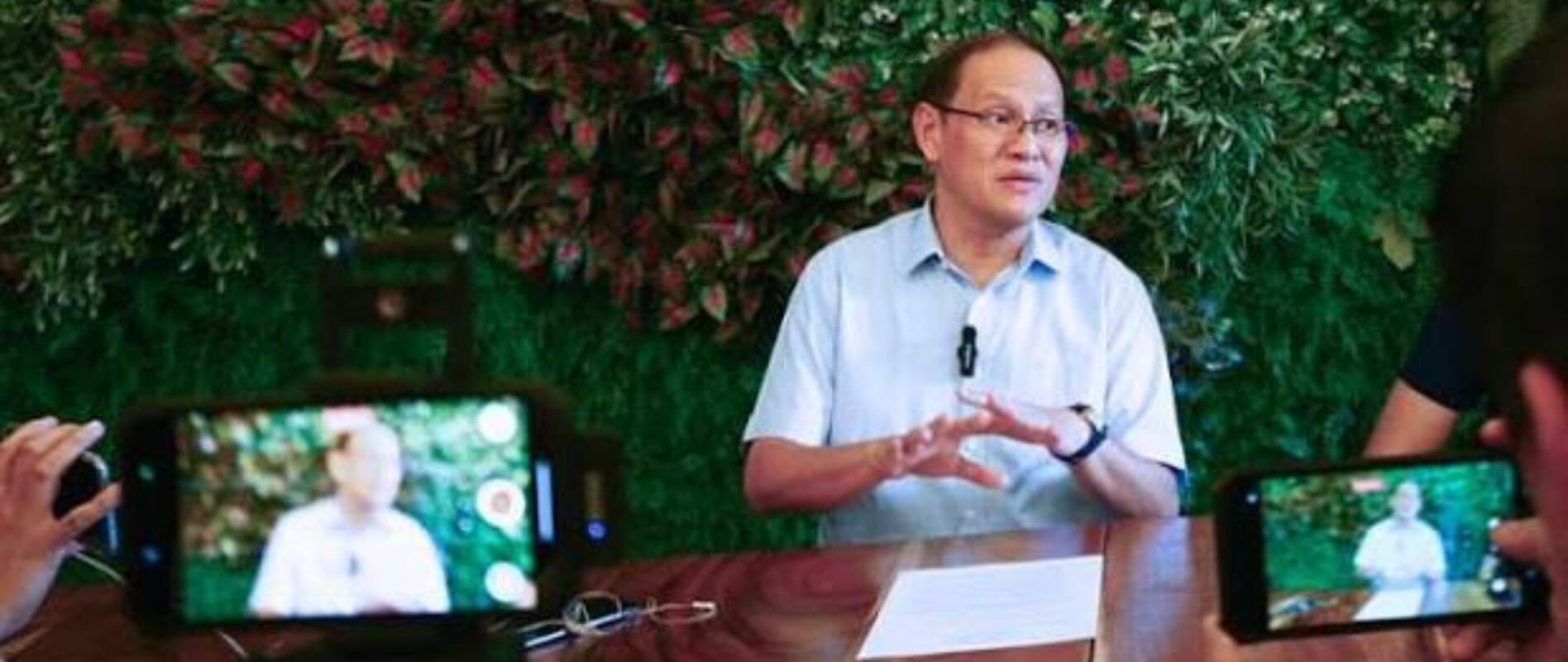
“We have to slash this added expense from students, which too often prevents our students from keeping up with their online classes. This is our way to somehow level the playing field,” Tulfo said.
He added, “We cannot expect students, especially those who come from indigent families, to seamlessly transition into digital learning without the government lending them a helping hand.”
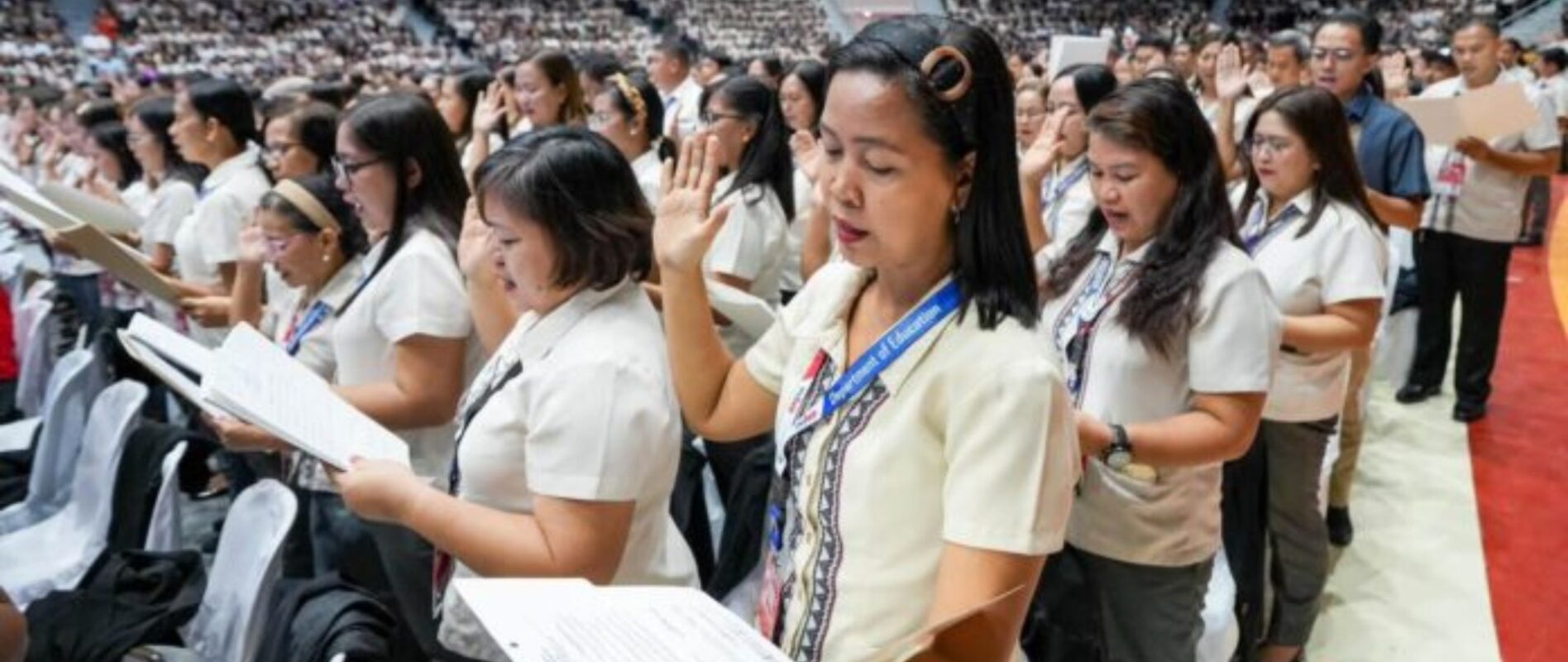
Under the proposed legislation, the discount would cover all Filipino citizens currently enrolled in authorized elementary, secondary, technical-vocational, or higher education institutions, excluding post-graduate studies.
The mandatory 20% discount would be available year-round, including weekends and holidays, to ensure continuous access to academic activities.
To avail themselves of the discount, students would only need to present a valid school identification card or proof of enrollment, along with a birth certificate to verify their citizenship.
Telecommunications companies would be required by law to grant the discount on all eligible services, with noncompliant providers facing penalties.
Tulfo, who chairs the Senate Committee on Social Justice, Welfare and Rural Development, said the traditional concept of class suspensions has fundamentally changed.
“Before, when classes are suspended, there were simply no classes. But this time around, most schools immediately shift to online modality to avoid academic backlogs,” Tulfo said.
“It is our duty in the government to guarantee access. A student’s potential to learn should never be halted simply because they cannot afford mobile data or an internet connection. No student must be left offline when everyone else should be online,” he concluded.