HOUSE PANEL WELCOMES P9.75-B RELEASE FOR SUCs UNDER FREE HIGHER EDUCATION PROGRAM

HOUSE Committee on Higher and Technical Education Chairperson and TINGOG Party-list Rep. Jude Acidre welcomed the release of ₱9.753 billion by the Department of Budget and Management (DBM) to address funding deficiencies of 108 State Universities and Colleges (SUCs) under the Free Higher Education Program.
Acidre said the funding release would help ease financial pressures that have accumulated across public universities over the past three academic years, allowing SUCs to settle outstanding obligations while continuing to provide essential services to students.
“For our public universities and colleges, these are not merely accounting entries. When reimbursements are delayed, institutions are forced to stretch limited resources across competing needs, from classrooms, laboratories, and libraries to research, faculty development, and student services,” Acidre said.
The House higher education chair stressed that sustaining free higher education requires adequate and timely government support for both students and the institutions implementing the program.
“If government commits to removing tuition and other school fees for students, then we must also ensure that the institutions carrying out that promise have the resources to do so without compromising the quality of education they provide,” he said.
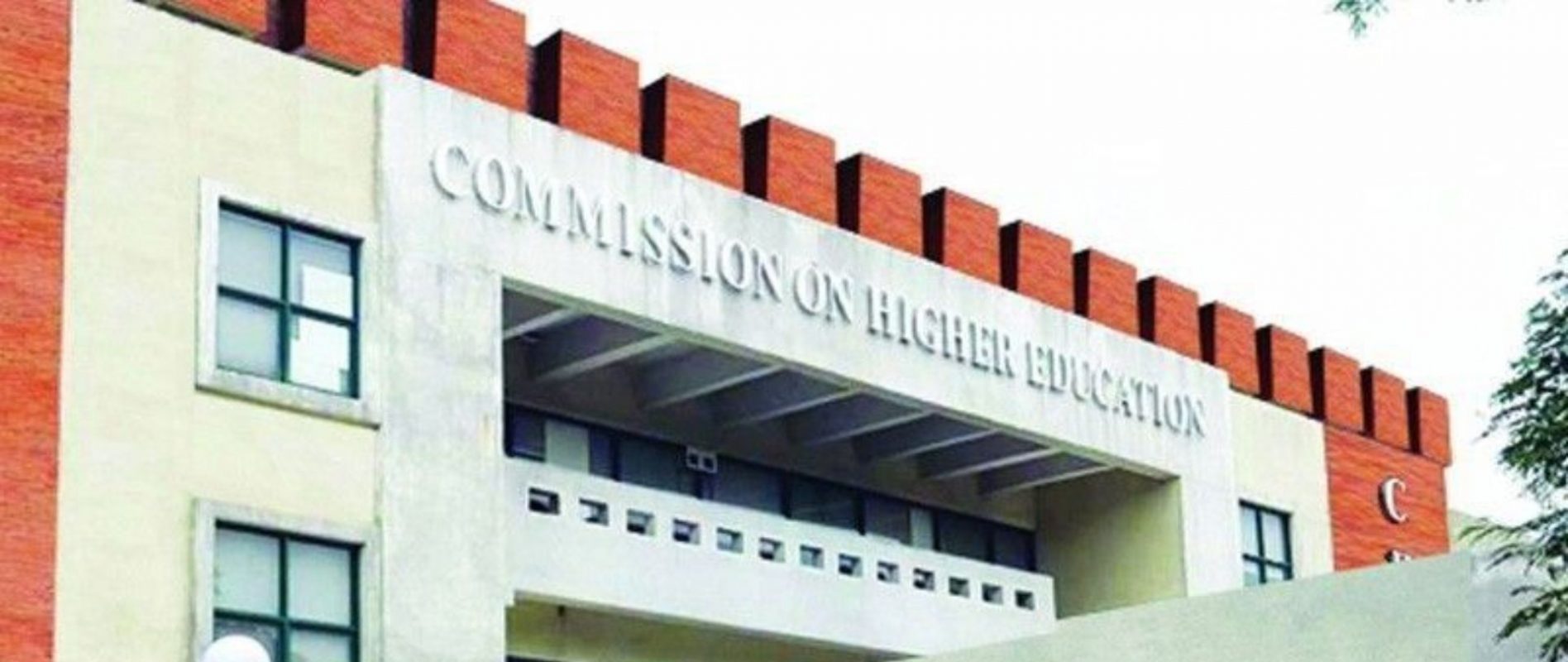
Acidre thanked President Ferdinand Marcos Jr., DBM Acting Secretary Kim Robert de Leon, Commission on Higher Education (CHED) Chairperson Shirley Agrupis, and UniFAST OIC Executive Director Atty. Septon De La Cruz for acting on the validated funding requirements.
He also called for the prompt release of the corresponding funds to the affected SUCs so they can immediately address campus and student needs.
However, Acidre said the release should also prompt a review of the funding system to prevent similar deficiencies from accumulating in the future.
“The fact that these deficiencies accumulated over three academic years underscores the importance of making Free Higher Education funding more timely, predictable, and responsive to actual enrollment and institutional requirements,” he said.
According to Acidre, predictable funding would allow SUCs to plan their operations more responsibly while protecting the quality of education they provide.
He said improving the funding mechanism is crucial to protecting the gains of the Universal Access to Quality Tertiary Education Act, which has enabled more Filipino students to pursue college without tuition and other school fees becoming a major financial barrier.
“The Universal Access to Quality Tertiary Education Act remains one of the most important commitments we have made to Filipino families,” Acidre said.
“It has allowed countless young people to pursue a college education without tuition becoming the barrier that ends their dreams before they begin,” he added.
Acidre emphasized that expanded access to higher education would only remain meaningful if SUCs have sufficient resources to deliver quality education.
“Hindi sapat na libre ang matrikula kung ang mga pamantasang nagpapatupad nito ay kailangang maghintay nang matagal para sa pondong dapat nilang matanggap,” he said.