SENATOR PUSHES UNIVERSAL FEEDING PROGRAM FOR 8M YOUNG LEARNERS

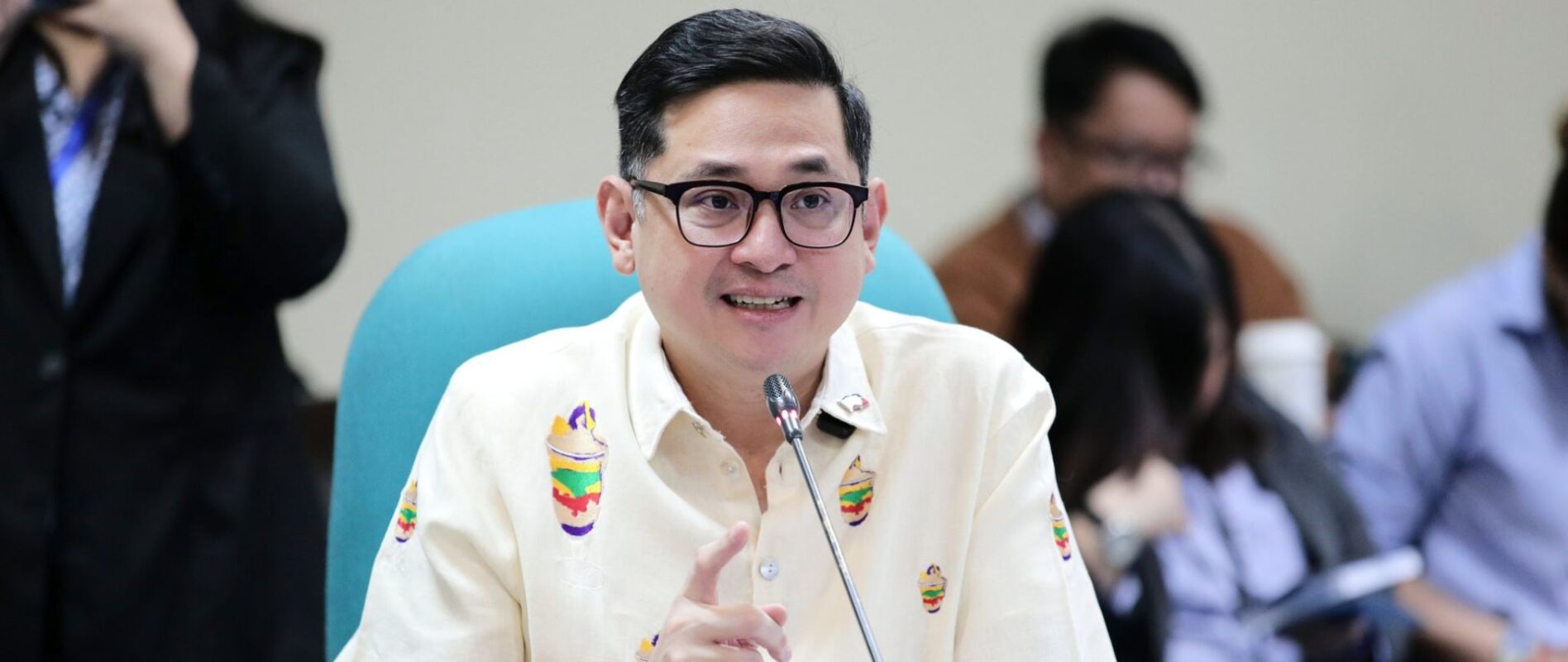
SENATOR Bam Aquino on Wednesday sponsored a measure seeking to establish a universal feeding program that would provide nutritious meals to nearly eight million Kindergarten to Grade 3 learners nationwide, as part of efforts to combat child hunger, malnutrition, and stunting.
Aquino sponsored Senate Bill No. 2272, which seeks to amend Republic Act No. 11037, or the Masustansyang Pagkain Para sa Batang Pilipino Act, to expand and strengthen the country’s existing National Feeding Program.
Based on Department of Education enrollment data for School Year 2025–2026, around 7.99 million learners from Kindergarten to Grade 3 are expected to benefit from the proposed program. Under the measure, beneficiaries would receive nutritious meals for 231 days annually, covering 201 school days and an additional 30 days during summer classes.
Aquino emphasized the urgency of addressing child hunger and malnutrition, noting that the bill’s passage had been delayed by recent leadership changes in the Senate.
Citing child nutrition data, the senator said 26.7 percent of Filipino children under five years old are stunted—a condition that can have long-term effects on physical growth, cognitive development, and learning outcomes.
As chairperson of the Senate Committee on Basic Education, Aquino stressed that improving nutrition is critical to addressing the country’s education challenges, as undernourished children often struggle to learn and perform well in school.
He described the proposal as more than a feeding initiative, calling it an education reform, a public health strategy, and an investment in the country’s human capital.
Among the bill’s key features is the implementation of universal feeding for all public school learners from Kindergarten to Grade 3, while continuing nutritional support for undernourished students in higher grade levels through the National Feeding Program.
The measure also adopts a life-stage approach to nutrition, providing interventions from pregnancy through high school to ensure sustained support throughout a child’s development.
In addition, the bill seeks to strengthen accountability by clearly defining the responsibilities of government agencies and other stakeholders involved in the program’s implementation.