SENATOR FILES BILL CREATING NATIONAL COORDINATING COUNCIL FOR EDUCATION
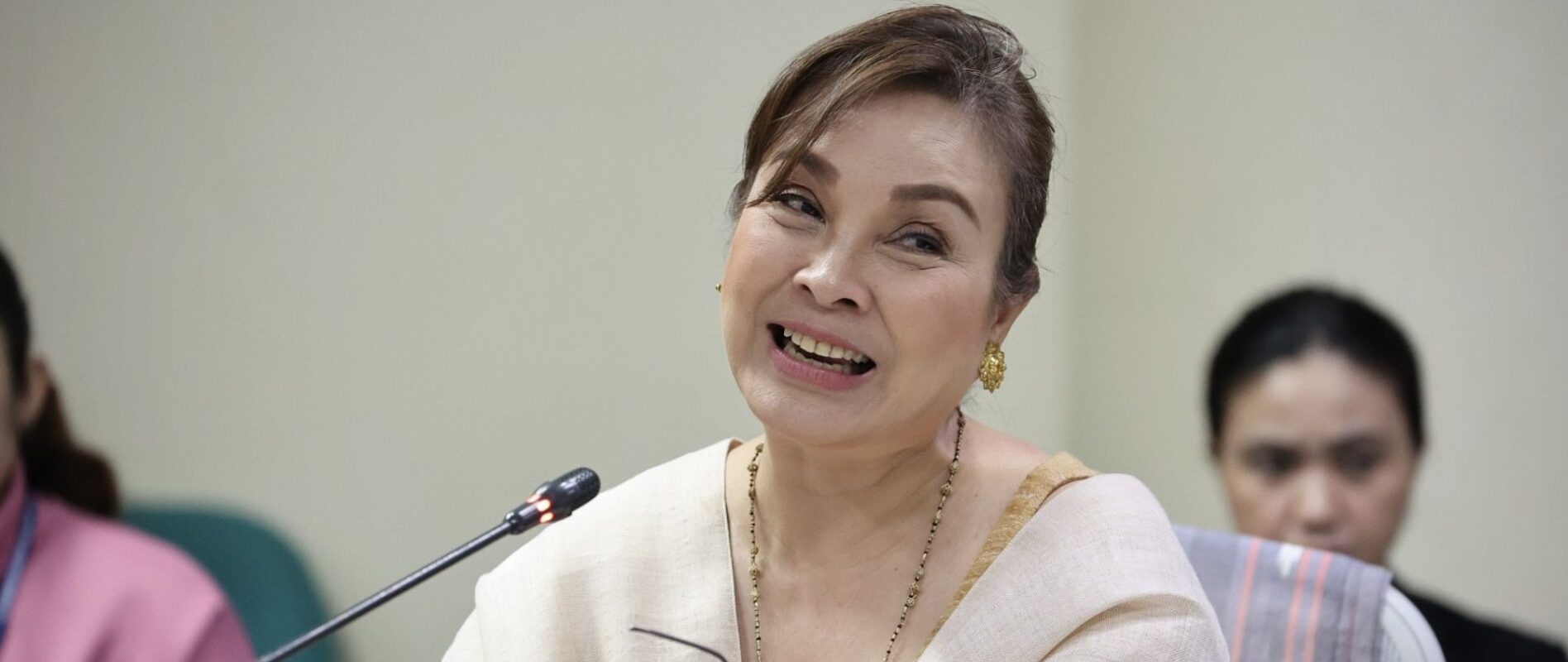
SENATOR Loren Legarda has filed Senate Bill No. 2101 seeking the creation of a National Coordinating Council for Education (NCCE), a proposed body aimed at strengthening coordination among government agencies involved in education and workforce development.
According to the bill’s explanatory note, the measure seeks to address longstanding governance gaps in the country’s education sector by establishing a permanent mechanism that will align policies, programs, and budgets among the Department of Education, the Commission on Higher Education, and the Technical Education and Skills Development Authority.
Legarda cited findings of the Second Congressional Commission on Education (EDCOM II), which noted that while the country’s education system operates under a trifocalized structure, the absence of a strong and sustained coordination mechanism has led to policy inconsistencies, overlapping initiatives, blurred accountability, and inefficient use of resources.
The senator emphasized that the 1987 Constitution mandates the State to maintain a complete, adequate, and integrated system of education.
She said the proposed council would help ensure that education reforms remain coherent, comprehensive, and aligned with national development goals.
The bill also builds on Administrative Order No. 36 issued by the Office of the President on August 13, 2025, which created the Education and Workforce Development Group as the government’s central coordinating body for education and workforce concerns.
Legarda’s proposal seeks to institutionalize this mechanism through legislation to ensure continuity and stability across administrations.
Under the measure, the NCCE will be tasked with harmonizing education and workforce reforms by aligning agency policies, budgets, and programs with a National Education and Workforce Development Plan.
It will also develop a comprehensive human resource plan for teachers and education professionals, modernize labor market information systems, establish an integrated learner data system, and strengthen accountability through a results-based monitoring and evaluation framework.
Legarda said institutionalizing the council would help ensure that education reforms are effectively implemented and sustained, while addressing systemic weaknesses in governance.
She expressed hope for the immediate passage of the measure, saying it would strengthen the country’s ability to prepare Filipino learners for the demands of a rapidly evolving workforce.