Memory and Eternal Return of SANSÓ in the Philippine Art Scene
by Patricia Lanzagarita
THE LOVE for a country goes beyond words and statements, it lies with how we present, emphasize, and express this love through actions and this includes art. This is what Juvenal Sansó exhibits–an unending devotion and love to the Philippines through his art.
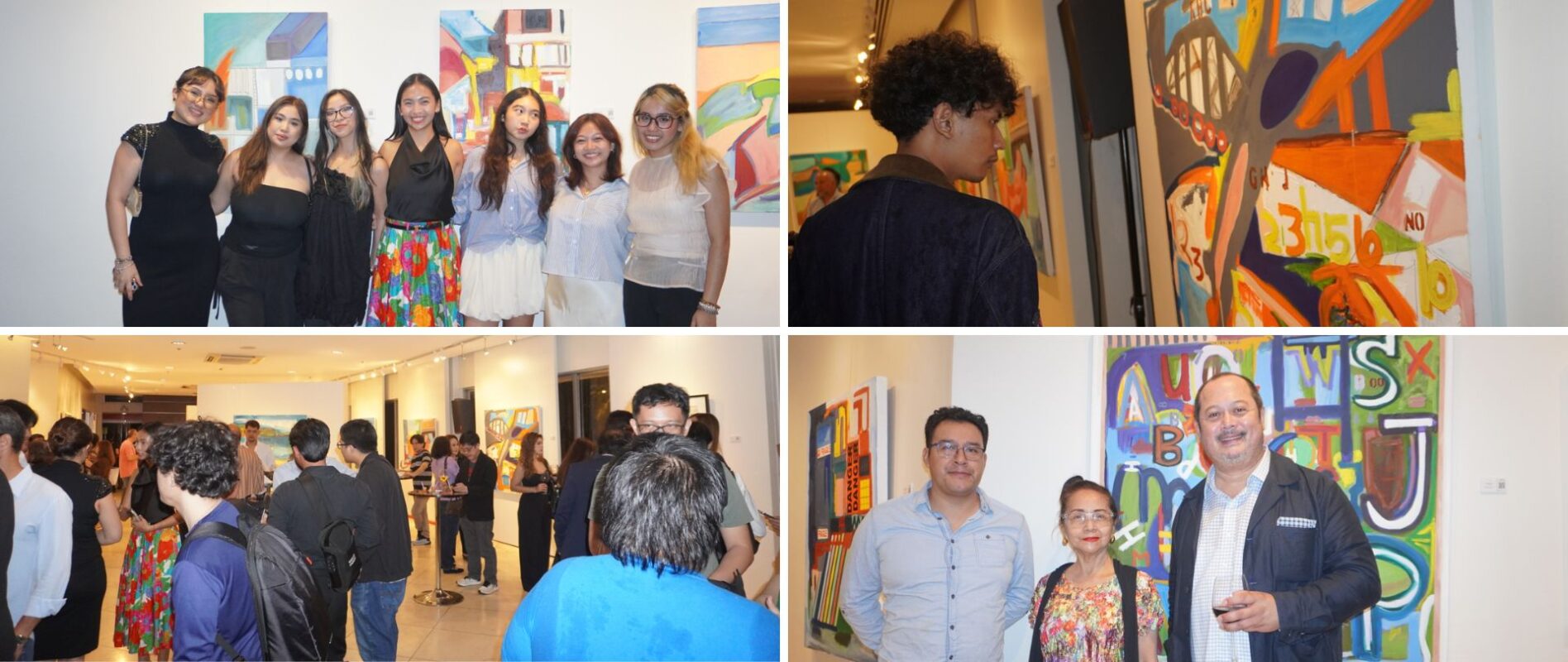
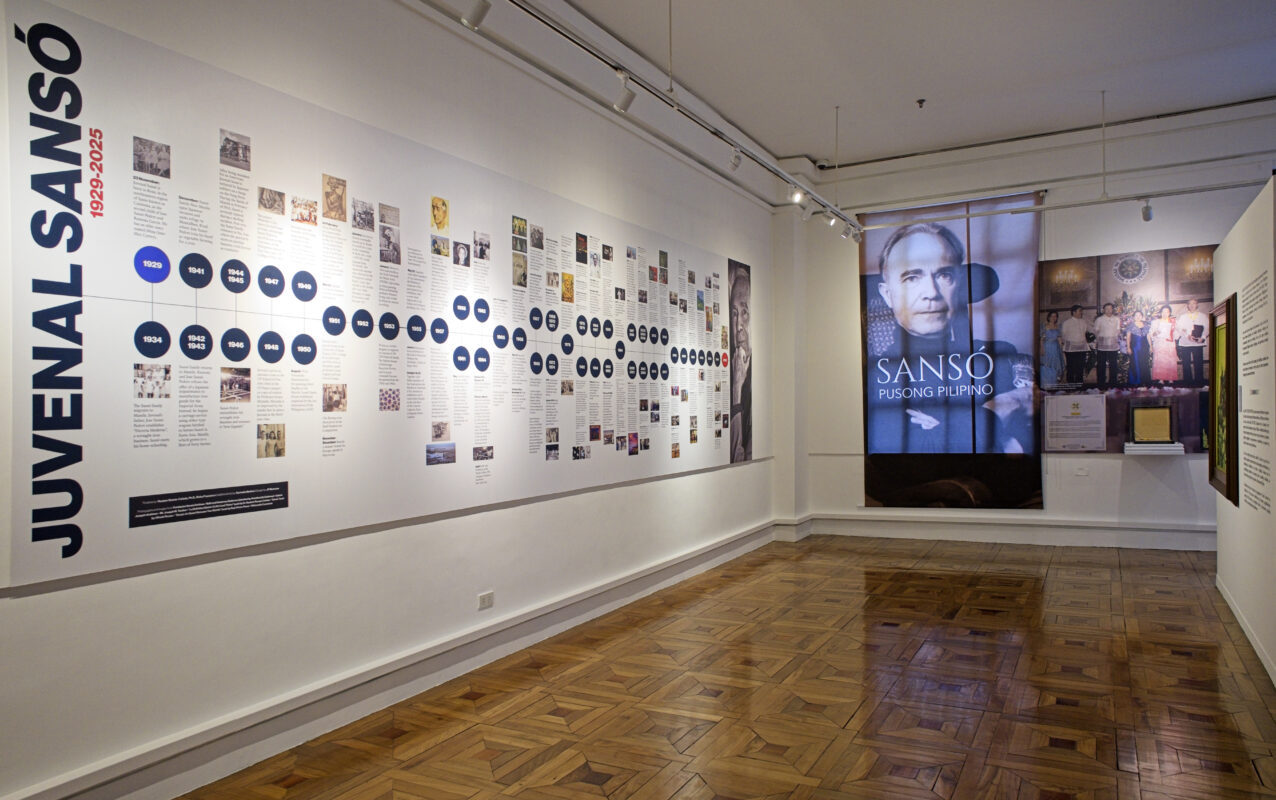
This August, Fundacion Sansó in collaboration with the National Museum of Fine Arts presents the SANSÓ: Pusong Pilipino, a major retrospective exhibition featuring nearly 100 works spanning over seven decades of the late Spanish-born modernist artist Juvenal Sansó.
The retrospective highlights how his formative years, wartime experiences, and lifelong love for his adopted home in the Philippines shaped his distinct visual language and legacy through his paintings and arts.
Even though Sansó achieved international acclaim in Europe and North America, this exhibition shows how he purely and genuinely loved the Philippines.
Curated by Curator and Fundacion Sansó Director Ricky Francisco, the retrospective avoids a strict chronological layout. Instead, it features Sanso’s works from 1940s student art to late-2000s Moderno pieces, including fashion, textile, and costume design that demonstrate how Philippine imagery and memory anchored his global career.
“Rather than focusing solely on chronology, the exhibition examines the many ways in which Sansó’s artistic identity was shaped by the country he ultimately chose as home, and why he entrusted both his collection and his advocacies to the Filipino people through Fundacion Sansó,” Francisco said.
A key revelation of the exhibit is how his early Philippine Baklad (fishtrap) series served as the visual and emotional baseline for his celebrated later landscapes in Brittany, France.
“Visitors will encounter important examples from his early figurative period, works produced during and after his years in Europe, celebrated landscapes and seascapes, floral compositions, prints, collagraphs, and later paintings that demonstrate the evolution of his artistic vision,” he further added.
Alongside the exhibition, Fundacion Sansó donated several key works to the National Museum’s permanent collection, including rare dry brush drawings from his black drawings, etchings, and pieces from his Baklad (fishtrap), Brittany, and Floral series.
It broadens the museum’s holdings in printmaking and paper works. Beyond art preservation, the gallery actively sustains its legacy by funding art scholarships, thesis production grants, art therapy programs, and curator or artist development.
Through Fundacion Sansó’s self-funded initiatives, the foundation has funded 39 Fine Arts graduates, most notably from Bulacan State University, and continues to support students at UP Diliman and FEU with high-grade materials, thesis grants, and a dedicated Scholars Gallery where student-artists receive 100% of their sales proceeds.
The foundation finances travel and research grants, supports artist estates from the ICAre program, and runs art therapy for pediatric cancer patients via the Embrace Project.
The SANSÓ: Pusong Pilipino frames Sansó not as a Filipino by legal citizenship, but as an artist who earned international renown yet deliberately brought his life’s work, resources, and legacy back to build the future of Philippine art.