WOVEN DIFFERENTLY: LULU TAN-GAN’S ARTISTRY IN PIÑA FASHION
Art, as complex as it may be, has always found ways to bring together unconventional styles, materials, and narratives in the fashion industry; it explores ways to tell narratives through materials, silhouettes, techniques, and artistry itself, often drawing inspiration from things that have long existed around us.
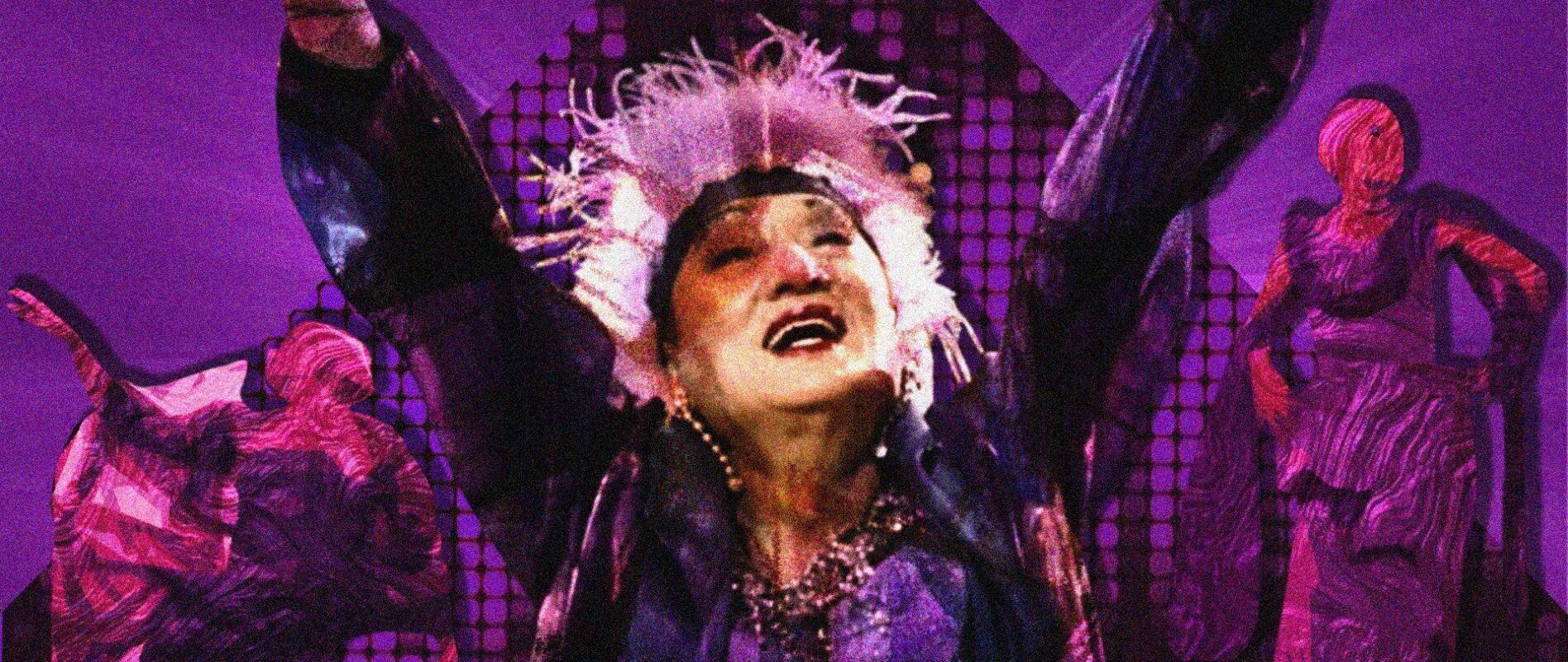
Lulu Tan-Gan, popularly recognized as the Queen of Knits, introduces a style that comes from a material deeply rooted in Filipino culture through piña, or pineapple.
Rather than limiting the textile to its conventional use in formal Filipino garments, Tan-Gan has spent much of her career exploring what else it could become. Through her work, she has brought piña beyond its traditional forms, transforming it into contemporary pieces that carry both the character of Filipino craftsmanship and the possibilities of modern fashion.
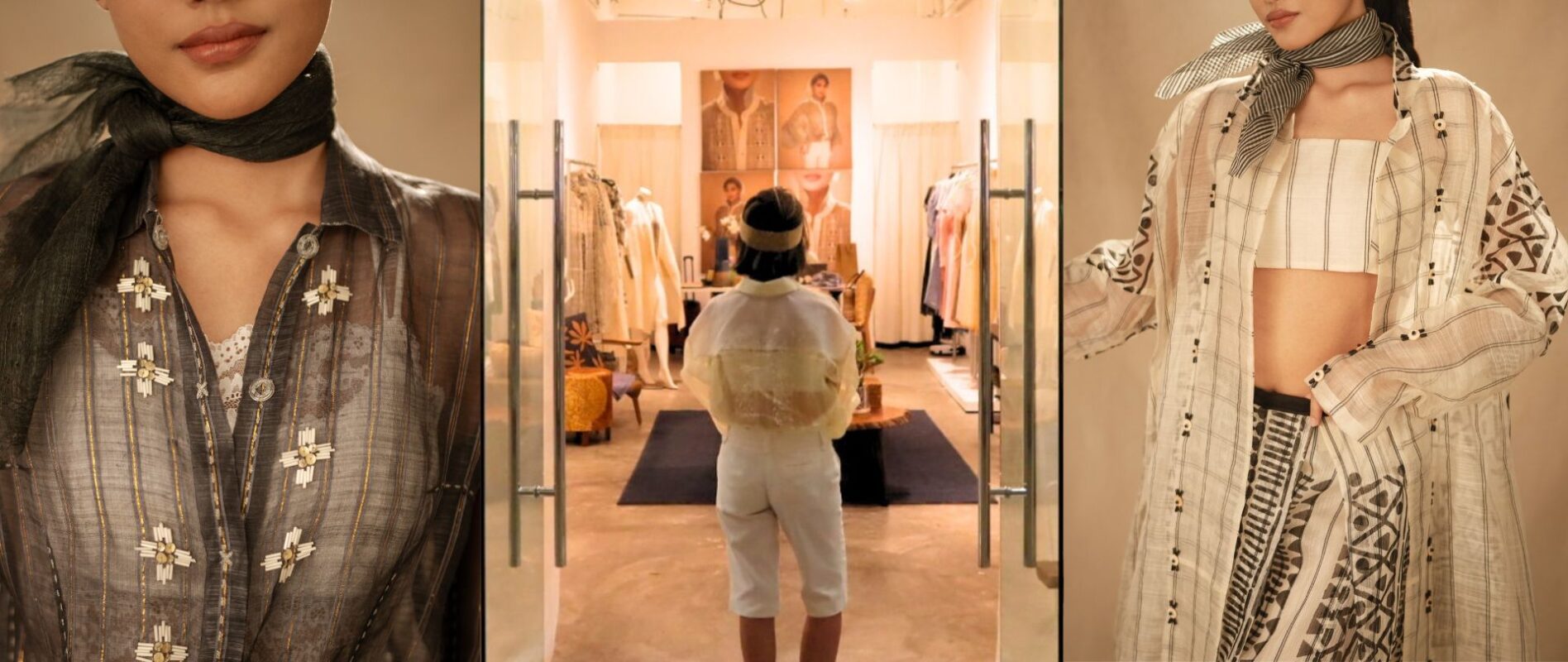
This November, the designer will bring her latest collection, Tailored Traditions, to a pop-up space at Power Plant Mall. The collection will feature piña fabrics and tailored pieces, including barongs, oversized dress shirts, and vests, crafted and shaped through Lulu Tan Gan’s artistry.
“With the rising interest in Piña, I feel that I have come full circle. Over the past 20 years, I have explored and tested this raw, ethereal fiber through various forms of fabric manipulation. With Tailored Traditions, I return to the essence of my journey: modeling heritage for contemporary use,” she said.
Tan-Gan’s relationship with fashion began long before her work with piña fabric. She started her career in 1976 as a shoe designer for SM Department Store, an opportunity that eventually led her into the world of clothing and knitwear. Over time, she established her own fashion line, PinaWear, where she began exploring ways to incorporate pineapple fiber into contemporary apparel.
The roots of her artistry
What makes Tan-Gan’s work distinct is not simply her choice of material, but the intention behind it. By working with piña, she brings attention to a textile that carries generations of Filipino craftsmanship, while exploring how it can find a place in the changing landscape of fashion.
In a fashion industry where production can often favor convenience and speed, Tan-Gan takes a more deliberate approach, recognizing that the value of a garment lies not only in its finished form but also in the craft and history woven into it.
“Ultimately, my work is about bridging tradition and innovation, honoring our heritage while giving it a fresh expression for today,” said Tan-Gan.
After decades of working with knits and woven textiles, her understanding of what it means to be a Filipino designer has also become closely tied to the responsibility of keeping local craftsmanship alive.
“I was always attracted to Piña and loved the ethereal beauty of the fabric. I would wear my dad’s barong and adored the pieces made by Barge Ramos using the handwoven fabric,” she shared.
For Tan-Gan, however, appreciating the textile was only the beginning. She recognized that preserving a fabric with such a long-standing history also meant finding ways to make it relevant to a new generation. This required more than simply reproducing traditional garments; it called for experimentation, design development, and a willingness to explore possibilities beyond established practices.
The craft beyond the creation
There was a time when piña was not as widely explored beyond its traditional applications. Although valued for its delicate appearance and intricate handwoven construction, the fabric was largely associated with formal Filipino clothing, particularly the barong. Yet, Tan-Gan saw an opportunity in these limitations.
Rather than treating piña as a textile that should remain confined to its established forms, she began exploring how its properties could be reworked for contemporary clothing. She challenged the conventional perception of the material as something reserved for formal occasions and sought to introduce it as a more versatile fabric, one that could accommodate different silhouettes, textures, and ways of dressing.
For Tan-Gan, working with the textile meant understanding its construction and finding ways to make it more adaptable without losing what made it distinct in the first place.
She did not simply work with piña the way it had always been used. Instead, Tan-Gan took the time to understand the fabric itself, experimenting with its threads and how they could be handled to create different shapes and silhouettes. Cutting became an important part of her creative process, as she learned how to work around the textile’s natural structure and make it move more freely when worn.
For Tan-Gan, even the smallest details matter. She pays close attention to how much fabric is used and how each piece is shaped, making sure that as little of the material as possible goes to waste. It is a process that calls for patience and a certain familiarity with the textile, something she has developed through years of working with it.
Her work shows that preserving a tradition does not necessarily mean keeping it exactly as it was. By finding new ways to work with piña and introducing it to contemporary fashion, Tan-Gan gives the textile room to grow while keeping the craftsmanship and history behind it intact.