SP HOPES NEW LAW ON FLEXIBLE TEACHING METHODS WILL IMPROVE LEARNING OUTCOMES
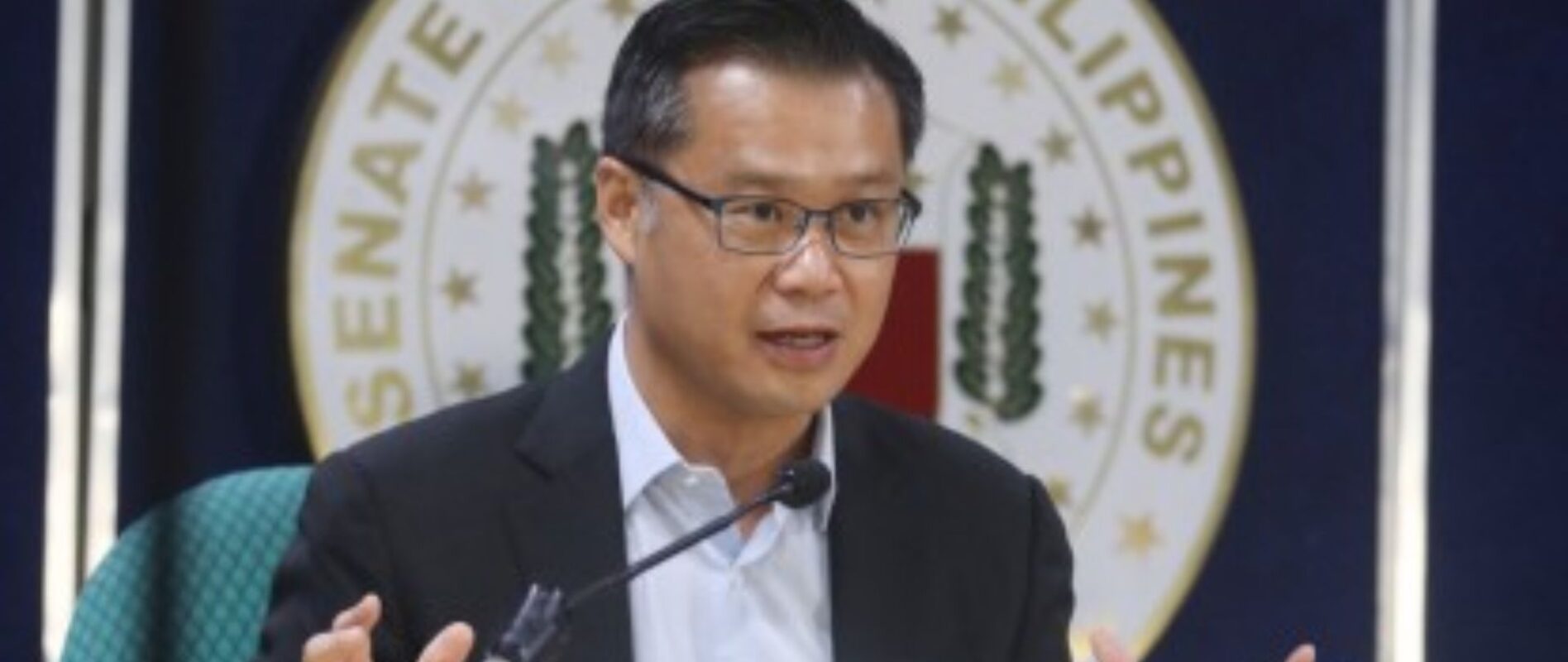
SENATE President Sherwin Gatchalian expressed optimism that the new law granting the Department of Education (DepEd) greater flexibility in choosing teaching approaches for the K to 12 basic education curriculum will help improve learning outcomes among Filipino students.
Republic Act No. 12322 amends the Enhanced Basic Education Act of 2013, or Republic Act No. 10533, by removing the mandatory requirement to use the spiral progression approach in implementing the K to 12 curriculum.
Under the new law, DepEd may adopt teaching strategies and pedagogical approaches it considers most effective and responsive to the specific learning needs of students.
The spiral progression approach introduces basic concepts to learners in the early grades and revisits these concepts in succeeding years with increasing levels of complexity.
However, the Second Congressional Commission on Education (EDCOM 2) previously raised concerns that the approach did not necessarily result in cumulative learning.
The commission also noted that the framework required teachers to handle multiple subjects, which could limit their ability to develop deeper subject-matter expertise, particularly in Science and Mathematics.
Gatchalian, who co-authored and co-sponsored the measure, said the country must move away from a one-size-fits-all approach to education, especially amid the continuing learning crisis.
“Hindi na tayo dapat magpatuloy sa isang one-size-fits-all approach sa pagtuturo, lalo na’t hinaharap natin ang isang malawakang krisis sa edukasyon,” Gatchalian said.
He expressed hope that the new law would enable DepEd to implement teaching strategies that are better aligned with learners’ needs and eventually lead to stronger academic performance.
The measure is seen as another step toward giving education authorities greater flexibility in addressing persistent learning gaps and improving the quality of basic education nationwide.