HUNGRY NO MORE: FREE, NUTRITIOUS SCHOOL MEALS FOR FILIPINO CHILDREN MOVE CLOSER TO REALITY

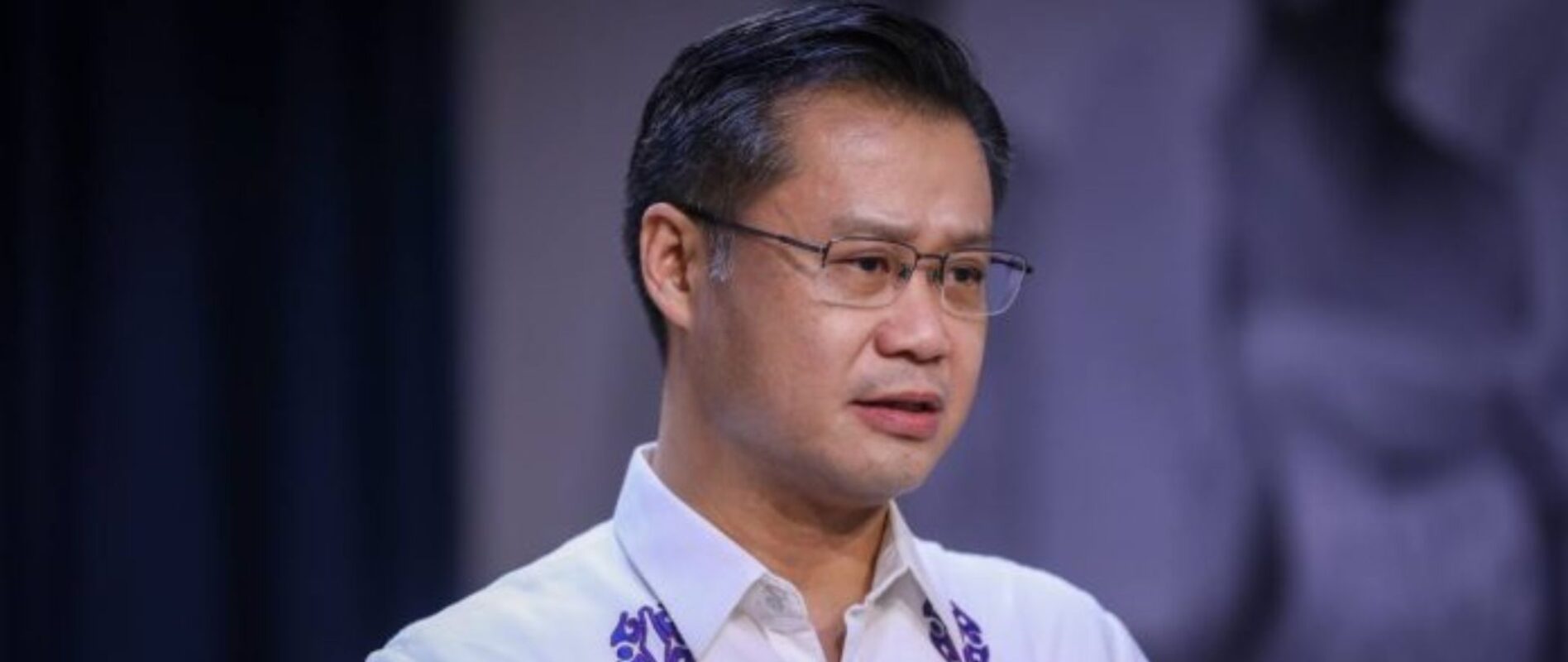
SENATOR Francis “Kiko” Pangilinan has welcomed the approval of the bicameral conference committee report on the proposed National Children’s Nutrition Act, saying the measure brings his campaign promise of providing free and nutritious meals to Filipino schoolchildren closer to reality.
The reconciled measure, which harmonizes Senate Bill No. 2272 and House Bill No. 9466, seeks to repeal and replace Republic Act No. 11037, or the Masustansyang Pagkain para sa Batang Pilipino Act.
It aims to establish a comprehensive National Children’s Nutrition Program that adopts a life-stage approach to addressing child malnutrition, hunger, poverty, and the country’s education crisis.
Pangilinan said he made it a priority to push forward his commitment to ensuring that every Filipino child has access to free, nutritious meals, emphasizing that poverty should never stand in the way of a child’s right to adequate and healthy food.
“No child should have to go to school hungry or lose the opportunity to learn because of inadequate nutrition,” he said.
The senator stressed that malnutrition is not simply a health issue but is also deeply connected to education, poverty, and equality of opportunity.
Poor nutrition, he noted, can undermine children’s physical development, cognitive abilities, and capacity to learn, with consequences that can extend into adulthood and limit their future opportunities.
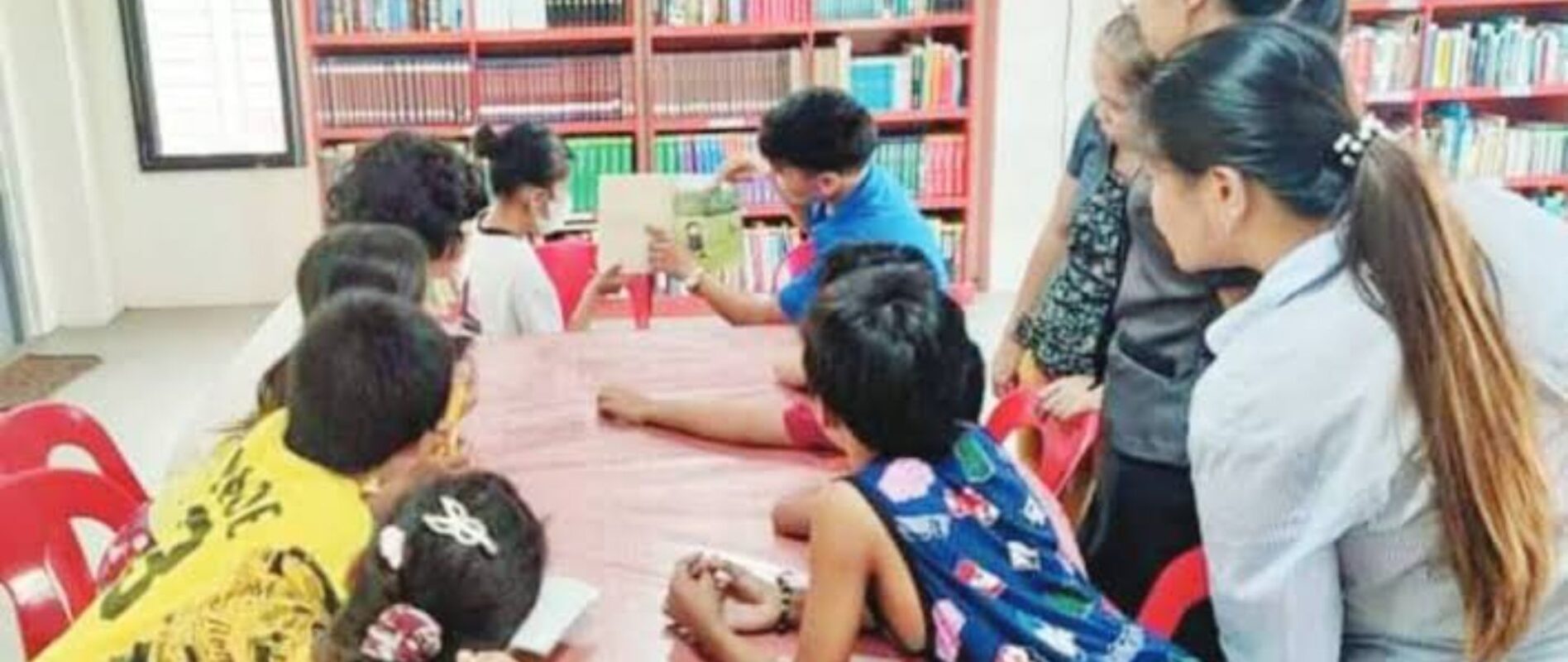
Among the key provisions of the reconciled measure is universal school-based feeding for all public school learners from Kindergarten to Grade 3, regardless of their nutritional status. It also provides targeted feeding interventions for undernourished learners in Grades 4 to 6.
The measure further expands nutritional support for young children, pregnant adolescent learners, and other vulnerable groups.
It also strengthens the participation of local farmers and fisherfolk in government feeding programs through direct procurement under the Sagip Saka Act, which Pangilinan authored.
Pangilinan said linking school feeding programs with local agricultural production would create benefits beyond addressing hunger and malnutrition. By sourcing food directly from local farmers and fisherfolk, the government can also help provide them with a stable market for their produce and strengthen rural livelihoods.
The senator previously filed Senate Bill No. 219, or the Libreng Almusal Act, upon his return to the Senate last year. The proposal seeks to institutionalize a free breakfast program for all public school students from Kindergarten to Grade 12, as well as children enrolled in daycare centers nationwide.
He urged both chambers of Congress to complete the remaining legislative requirements for the measure’s enactment, stressing that Filipino children cannot afford further delays in receiving the nutrition and support they need.
Pangilinan said investing in children’s nutrition is an investment in the country’s future, helping close learning gaps, break the cycle of poverty, and give every Filipino child a fair opportunity to reach their full potential and contribute to nation-building.