SENATOR HIGHLIGHTS LIFELONG LEARNING, WORKFORCE DEVELOPMENT IN RESPONSE TO MARCOS’ SONA
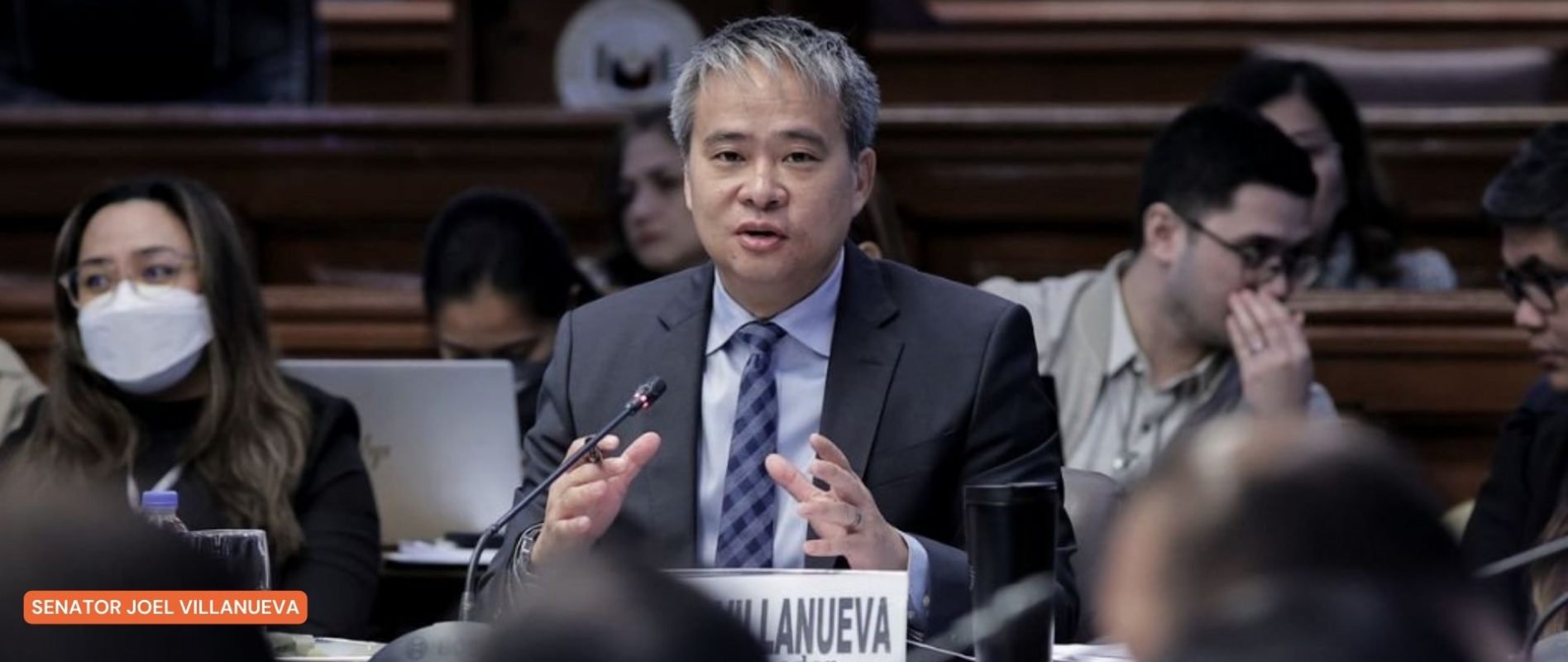
SENATOR Joel Villanueva underscored the importance of lifelong learning, skills development, and workforce readiness as key education priorities in his response to President Ferdinand Marcos Jr.’s fifth State of the Nation Address (SONA).
Villanueva welcomed the President’s recognition of ongoing education reforms and reaffirmed the Senate’s commitment to advancing legislative measures that expand learning opportunities for Filipinos.
“On education, we share the President’s conviction that learning should not end at graduation,” the senator said, citing the recently enacted Lifelong Learning Development Framework Act as a major step toward fostering a culture of continuous learning in the country.
Villanueva, who served as a commissioner of the Second Congressional Commission on Education (EDCOM II), said the law was developed in collaboration with fellow commissioners and Senate co-authors to provide more opportunities for workers, out-of-school youth, and senior citizens to continue acquiring knowledge and skills.
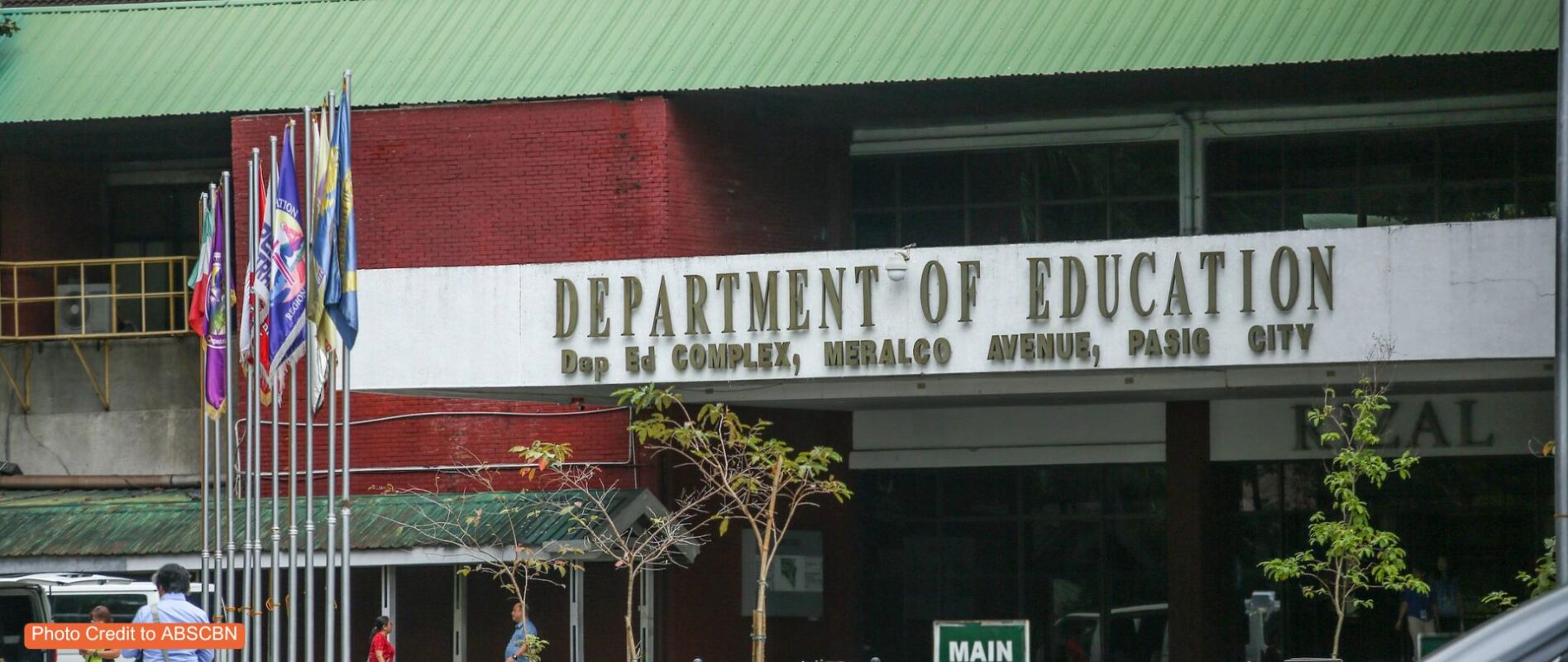
He noted that the measure empowers the Department of Education (DepEd), the Technical Education and Skills Development Authority (TESDA), the Commission on Higher Education (CHED), and local government units (LGUs) to implement programs that enable Filipinos to pursue learning opportunities throughout their lives.
The senator also supported President Marcos’ call to reskill and upskill the country’s workforce, saying this aligns with the objectives of the proposed Enterprise-Based Education and Training Framework Act and the Expanded Tertiary Education Equivalency and Accreditation Program.
According to Villanueva, these initiatives, in partnership with industry stakeholders and TESDA, aim to ensure that training programs are aligned with employer requirements and the changing demands of the labor market.
He stressed that equipping workers with relevant competencies is crucial as the country continues to attract investments that create more employment opportunities.
Villanueva likewise cited the continued implementation of the Doktor Para sa Bayan Act, noting that sustained government support has doubled the number of Filipinos benefiting from medical scholarship programs.
He said he expects the Commission on Higher Education to provide updates during the upcoming budget deliberations, expressing hope that more medical graduates will eventually serve communities with limited access to healthcare services.
The senator also welcomed President Marcos’ directive for PhilHealth to expand support for children with developmental disabilities by increasing coverage for consultations and therapy services.
Villanueva said he had filed similar amendments in the Senate to strengthen assistance for children with developmental disabilities and help ease the financial burden on their families.
Beyond education, Villanueva congratulated President Marcos for a SONA that addressed pressing concerns affecting Filipino families, including the impact of the Middle East conflict on overseas Filipino workers, rising electricity costs, and the need for stable employment.
He also thanked the President for recognizing several reforms enacted by Congress that continue to benefit workers, students, overseas Filipino workers, and their families, while assuring the administration of the Senate’s support in advancing its legislative agenda.