SENATE PUSHES FOR 4% OF GDP FOR EDUCATION, PRIORITIZES CLASSROOMS, SCHOOL FEEDING
THE SENATE is pushing to restore education spending to four percent of the country’s gross domestic product (GDP), with lawmakers prioritizing classroom construction and the expansion of the government’s school feeding program as they scrutinize the Department of Education’s (DepEd) proposed 2027 budget.
Senator Bam Aquino, chairperson of the Senate Committee on Basic Education, said the Senate remains committed to providing adequate funding for education to help address the country’s learning crisis.
Aquino recalled that the Senate pushed for a record education budget last year, securing around P68 billion in additional funding. He said lawmakers hope to bring education spending back to four percent of GDP.
He stressed that education funding should not be politicized, as adequate investment in the sector benefits all Filipino children.
Senate President Sherwin Gatchalian said the education sector received a total budget of P1.01 trillion in 2026, equivalent to 4.36 percent of GDP and within the four-to-six-percent range recommended by international standards.
However, Gatchalian acknowledged that the government continues to face challenges in efficiently utilizing the substantial allocation.
Meanwhile, Senate Finance Committee Chairman JV Ejercito said the House of Representatives reduced DepEd’s proposed 2027 budget by around P6 billion under the General Appropriations Bill.
Ejercito said senators would closely examine the reduction during the budget hearing, emphasizing the need to keep education among the government’s top spending priorities.
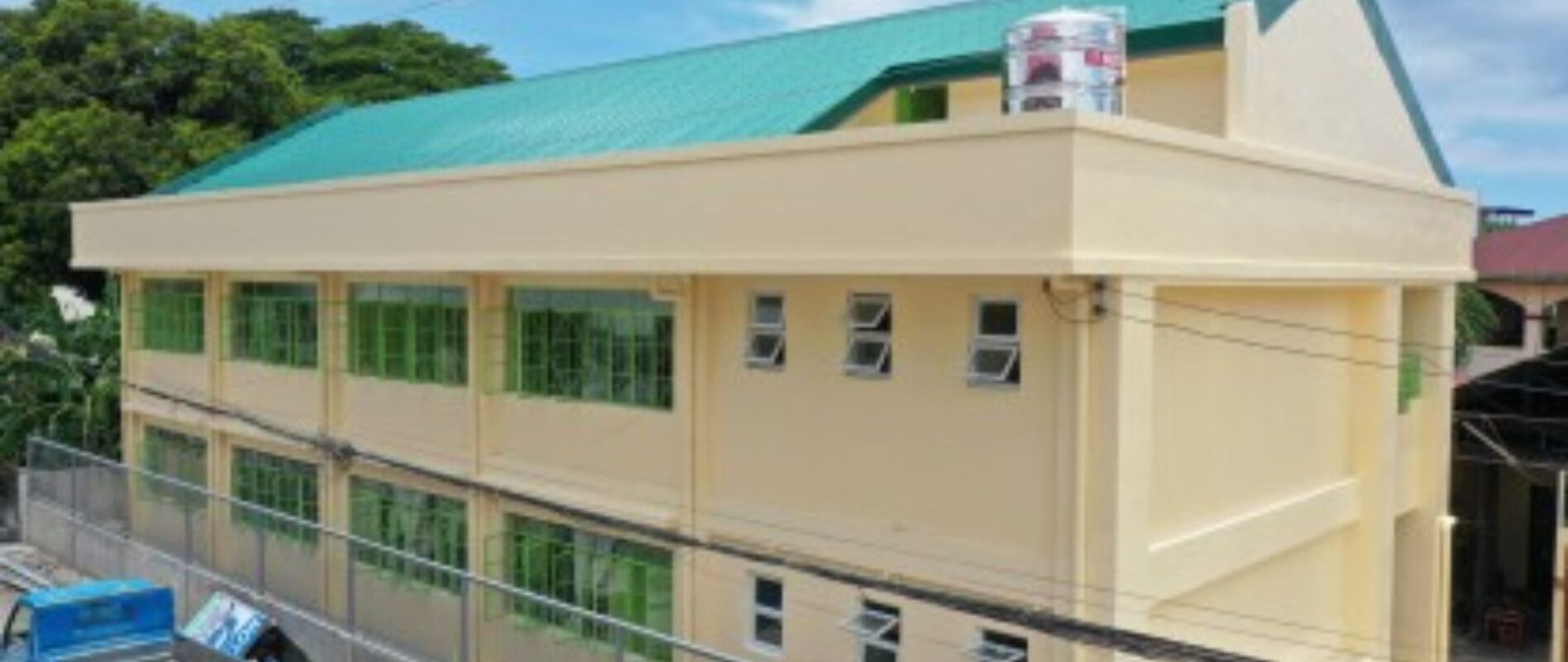
One of the Senate’s major concerns is the country’s persistent classroom shortage.
Aquino said lawmakers want to determine the remaining classroom backlog and ensure that allocations for school infrastructure translate into completed classrooms that learners can use.
He noted that the approximately P68-billion allocation for school infrastructure in the previous year’s budget was the largest of its kind in the country’s history.
Senator Erwin Tulfo likewise emphasized the urgency of addressing classroom shortages to prevent students from enduring overcrowded learning spaces, traveling long distances to attend school, or studying in facilities that do not adequately meet their needs.
Despite delays in procurement and classroom construction, senators want DepEd to present a catch-up plan to accelerate the completion of school buildings and ensure that infrastructure funding delivers tangible results.
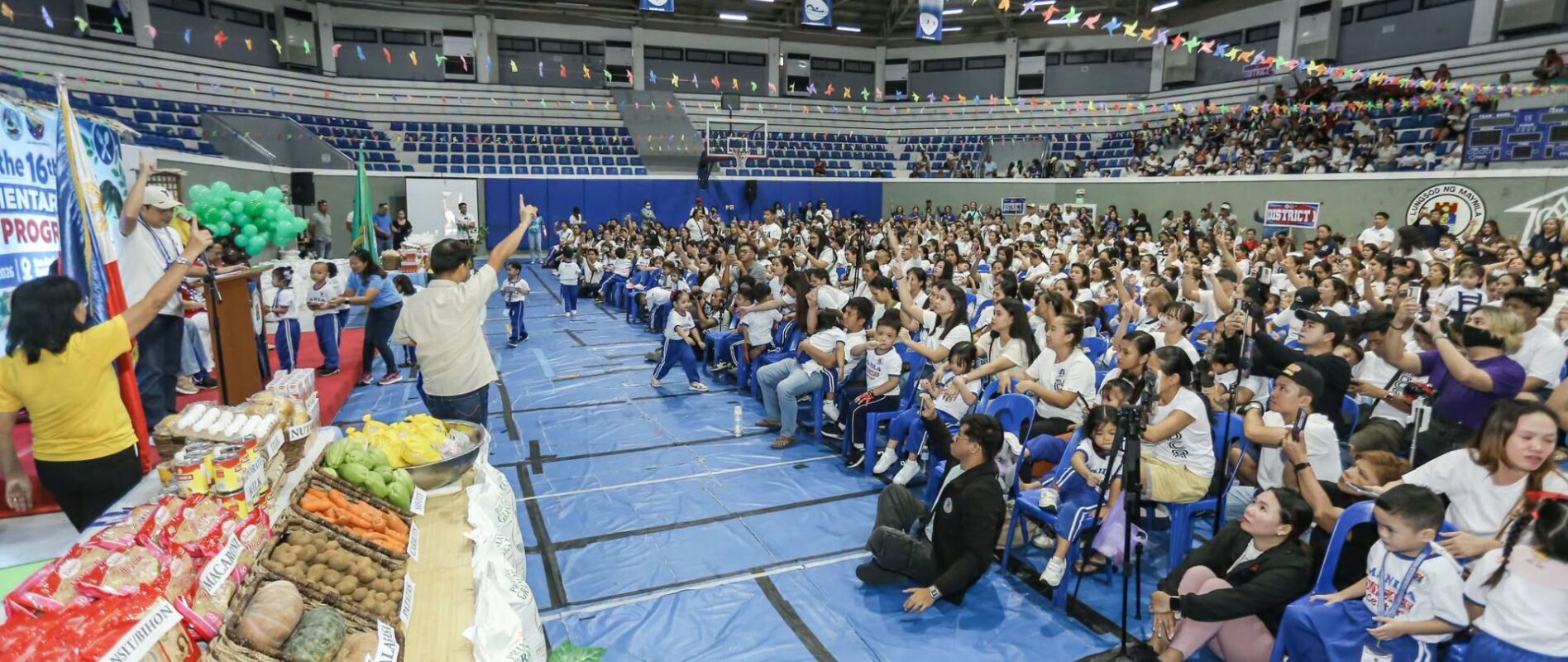
Another key priority is ensuring adequate funding for the government’s school feeding program.
Aquino said the Senate wants to ensure sufficient funding for free meals for learners from kindergarten to Grade 3, following the program’s expansion beyond its previous coverage.
He also called for an increase in the meal allocation from P25 to P35 per serving to provide learners with more adequate and nutritious meals.
Aquino expressed concern that the amount allocated for the program in the proposed budget was significantly lower than the funding initially sought, despite the expansion in coverage.
Senators also want to strengthen school safety measures amid recent shooting incidents and threats of violence within school premises.
Tulfo stressed that schools must remain safe spaces for learning, saying children should be able to pursue their education without fear for their safety.
He added that parents must be assured that their children can attend classes and return home safely.
As the Senate reviews DepEd’s proposed 2027 budget, lawmakers are emphasizing the need to ensure that education funding addresses the sector’s most pressing concerns—from classroom shortages and learner nutrition to school safety and the broader learning crisis.