NATIONAL GOVERNMENT, BARMM STRENGTHEN PARTNERSHIP TO IMPROVE EDUCATION
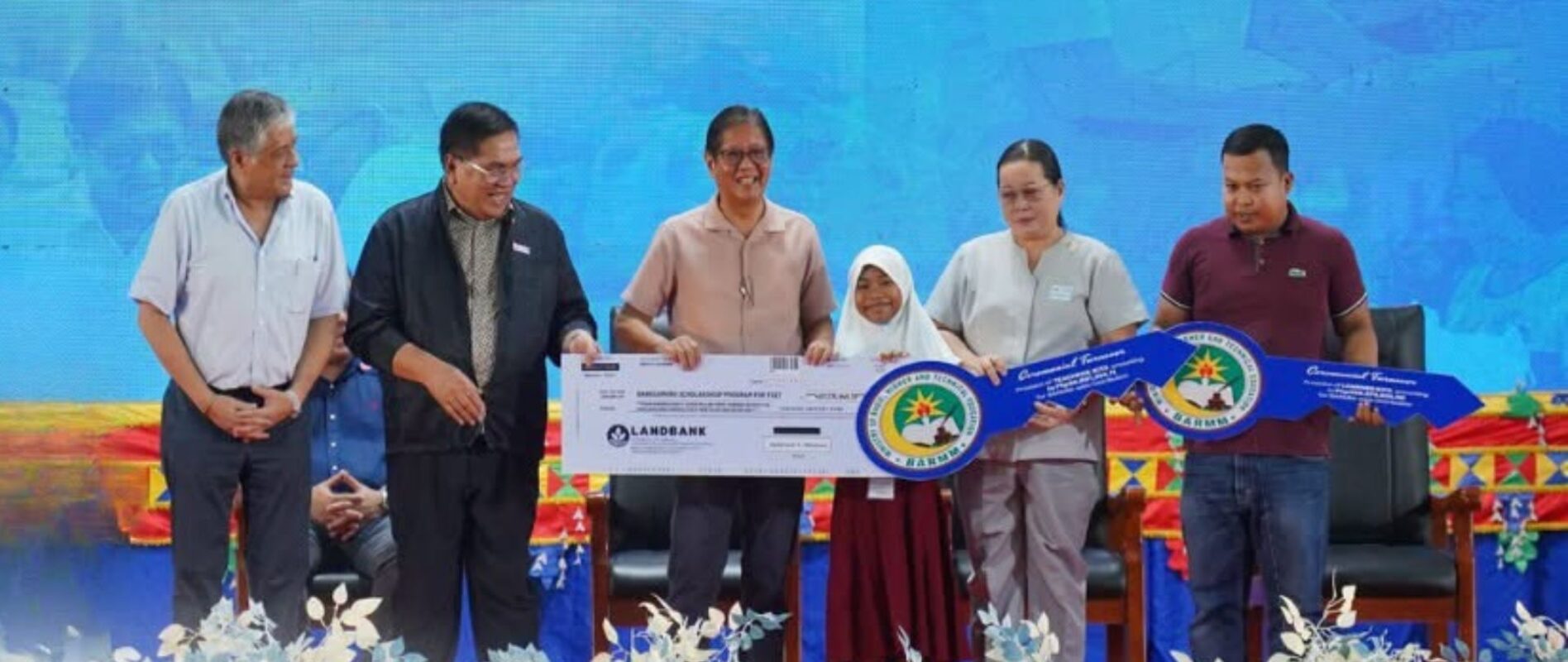
THE NATIONAL government and the Bangsamoro government have formalized a partnership aimed at improving education outcomes in the Bangsamoro Autonomous Region in Muslim Mindanao (BARMM) through the creation of the Bangsamoro Education Coordination Forum (BECF).
A Memorandum of Agreement (MOA) was signed by the Ministry of Basic, Higher, and Technical Education (MBHTE), the Department of Education (DepEd), the Commission on Higher Education (CHED), the Technical Education and Skills Development Authority (TESDA), and the Professional Regulation Commission (PRC), establishing the BECF as a permanent platform for coordination among education agencies. The initiative follows two years of consultations led by the Second Congressional Commission on Education (EDCOM 2).
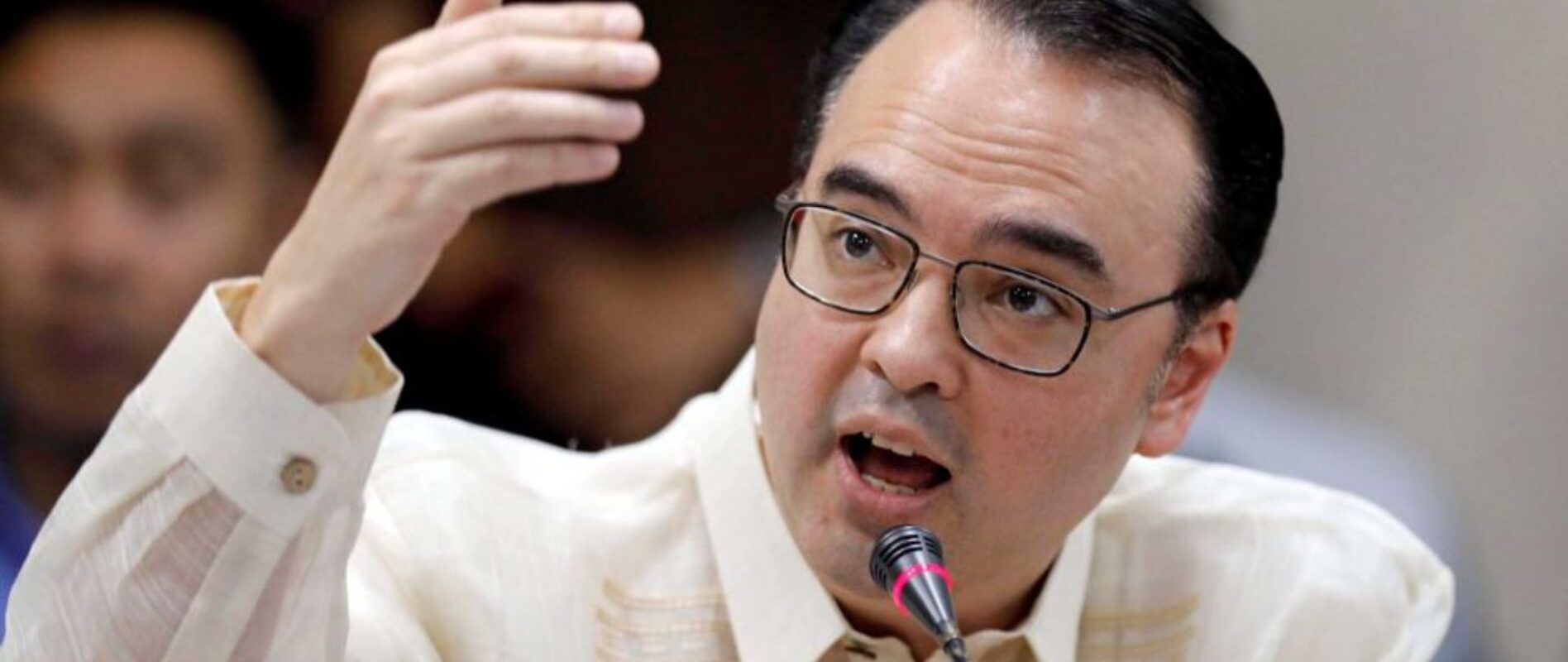
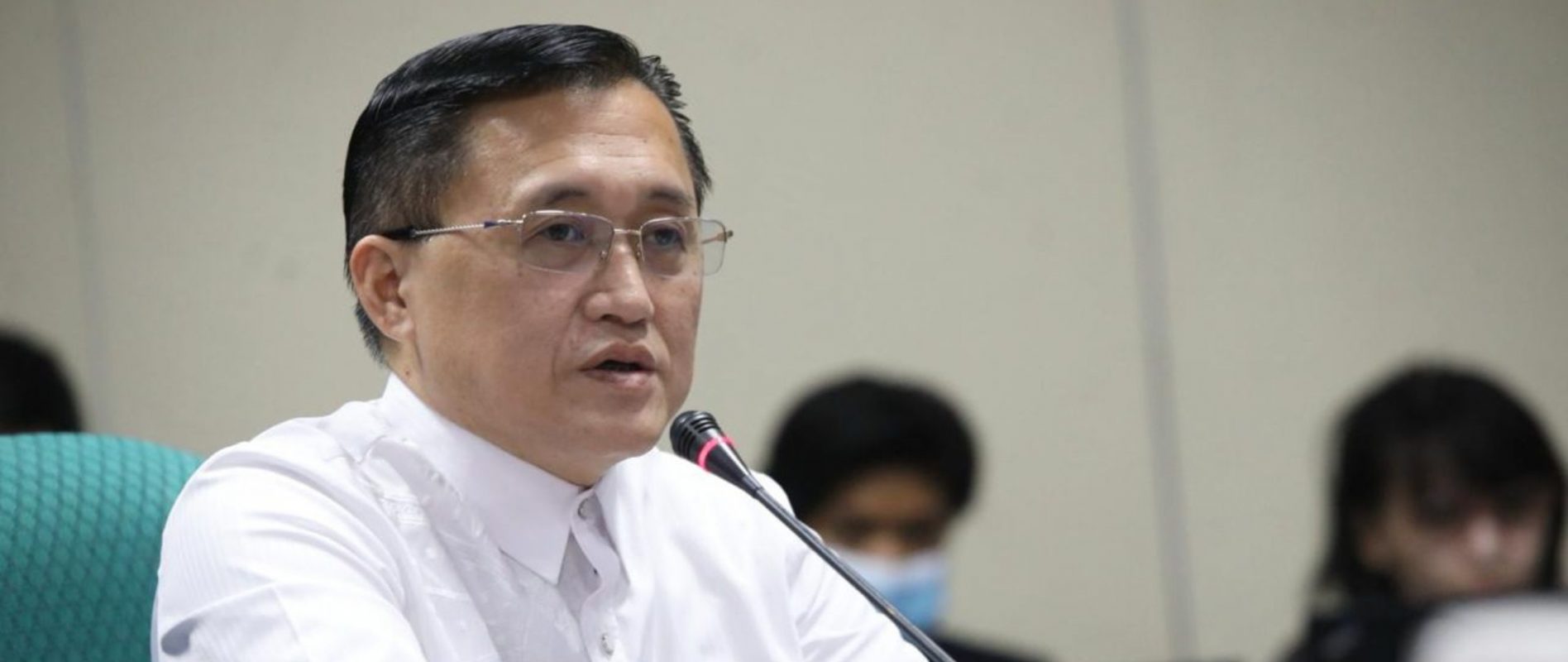
EDCOM 2 Co-Chairperson Senator Bam Aquino said the agreement is expected to strengthen collaboration between the national government and BARMM and help ensure that education reforms reach all regions of the country.
Co-Chairperson Representative Roman Romulo described the forum as a significant step toward resolving long-standing issues involving agency mandates, funding, eligibility, and institutional responsibilities that have limited learners’ access to government education programs.
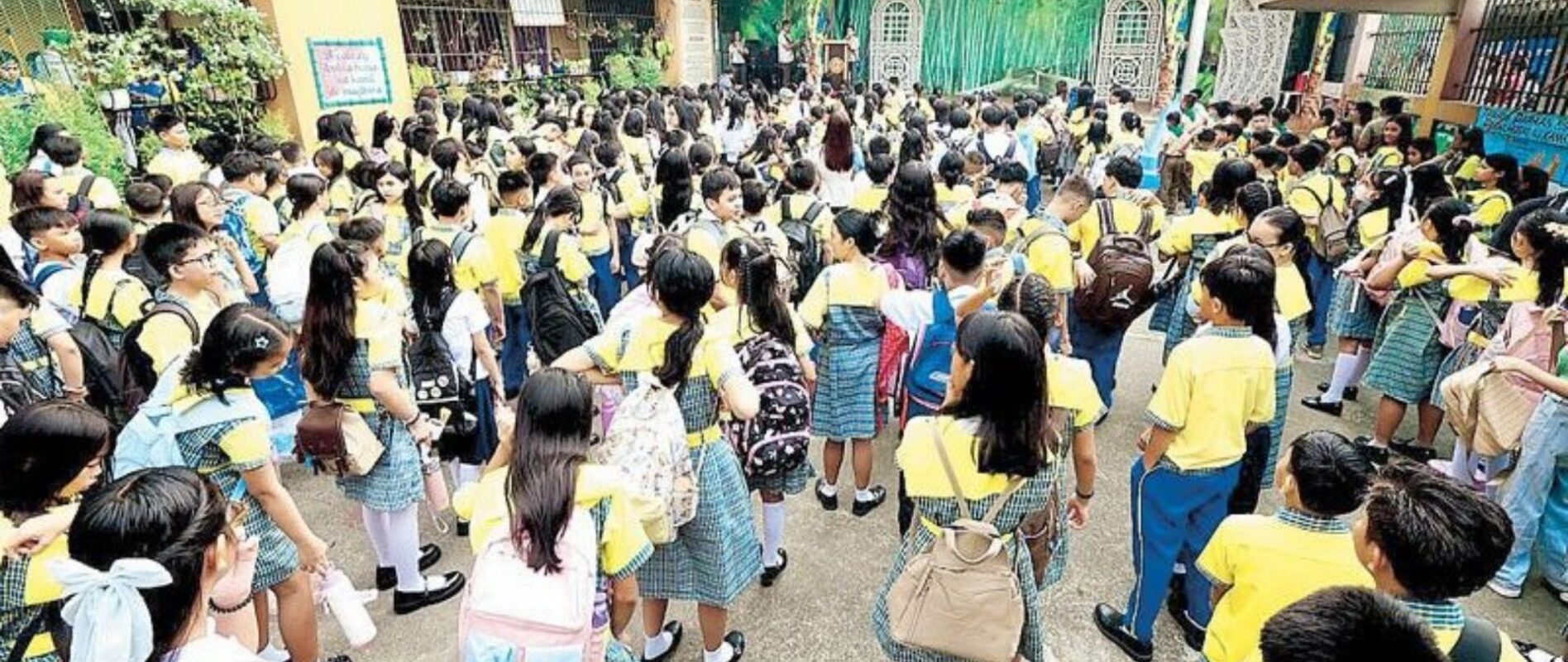
According to EDCOM 2’s nationwide assessment, BARMM continues to face some of the country’s most pressing education challenges.
BARMM Interim Chief Minister and MBHTE Minister Abdulraof A. Macacua said the agreement transforms years of interagency goodwill into a formal commitment to jointly set priorities, make key decisions, and share accountability for improving education outcomes.
Although the Bangsamoro Organic Law recognizes BARMM’s education system as part of the national education system, the absence of a permanent coordination mechanism has hampered joint planning, policy alignment, and data sharing.
As a result, the implementation of national education initiatives—including learning recovery programs, scholarship grants, and training opportunities—has been delayed in the region.
The BECF also builds on the work of the Philippine Congress–Bangsamoro Parliament Forum, co-chaired by Senator Loren Legarda and Representative Zia Alonto Adiong, which promotes stronger cooperation between the Philippine Congress and the Bangsamoro Parliament.
Legarda emphasized that meaningful improvements in education require sustained collaboration among national and Bangsamoro institutions, local government units, development partners, and local communities.
Adiong, meanwhile, said the agreement seeks to ensure that no Bangsamoro child is left behind because of poor coordination, delayed resources, or government inaction.
Under the agreement, participating agencies will regularly meet to identify shared education priorities, align policies and programs, and establish measurable targets consistent with the National Education and Workforce Development Plan 2026–2035, while respecting the legal mandates of each institution.
Senate President Sherwin Gatchalian, who attended the signing ceremony, said the forum would serve as a platform for broader and deeper discussions on BARMM’s education concerns and reaffirmed the government’s commitment to providing quality education for every Bangsamoro child.
The newly established forum is expected to hold its inaugural meeting in August to identify priority reforms and finalize key education targets for 2027.
The signing of the agreement also coincided with the launch of EDCOM 2’s LGU Dashboard and Legislative Dashboard for monitoring education reforms, as well as the opening of the “Turning Point” exhibit featuring the works of Filipino photojournalist Jilson Tiu.