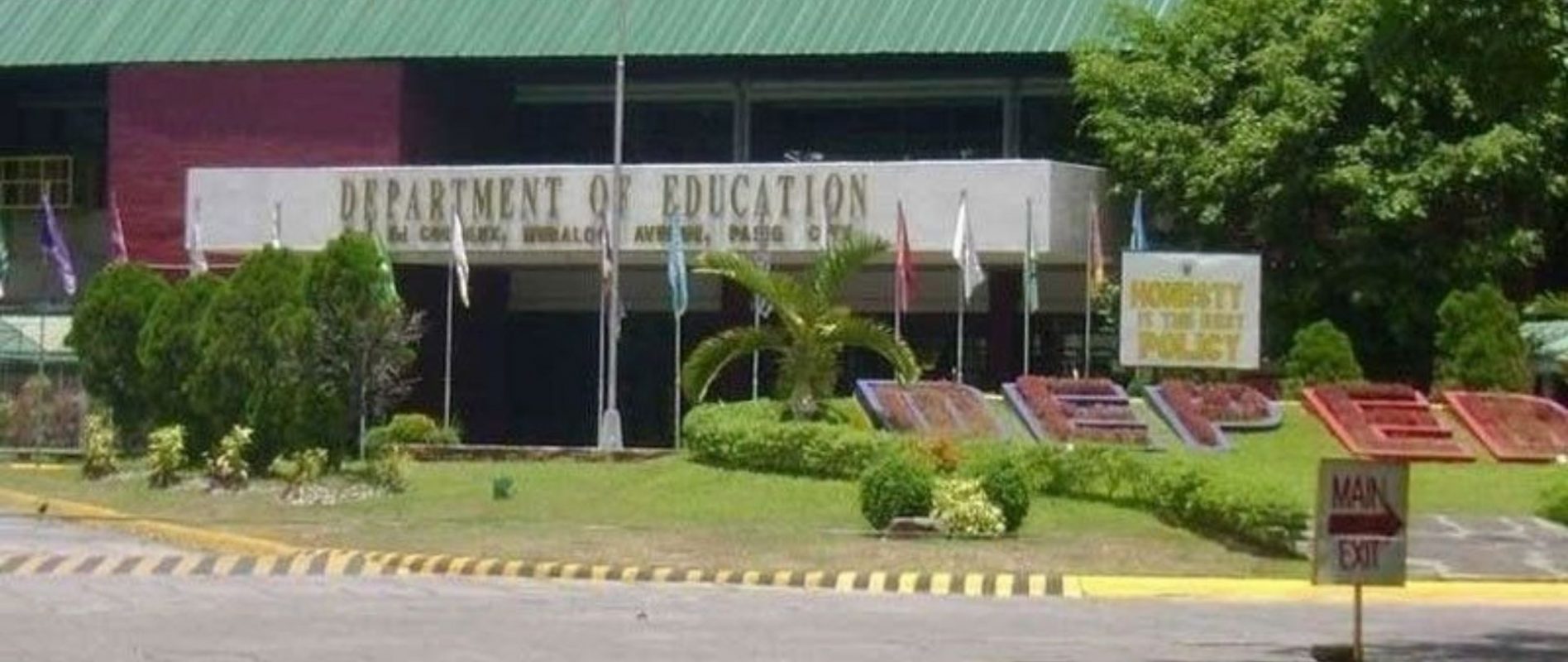
LAWMAKER HAILS GIDA SCHOOLS LAW AS BOOST TO QUALITY EDUCATION IN REMOTE AREAS
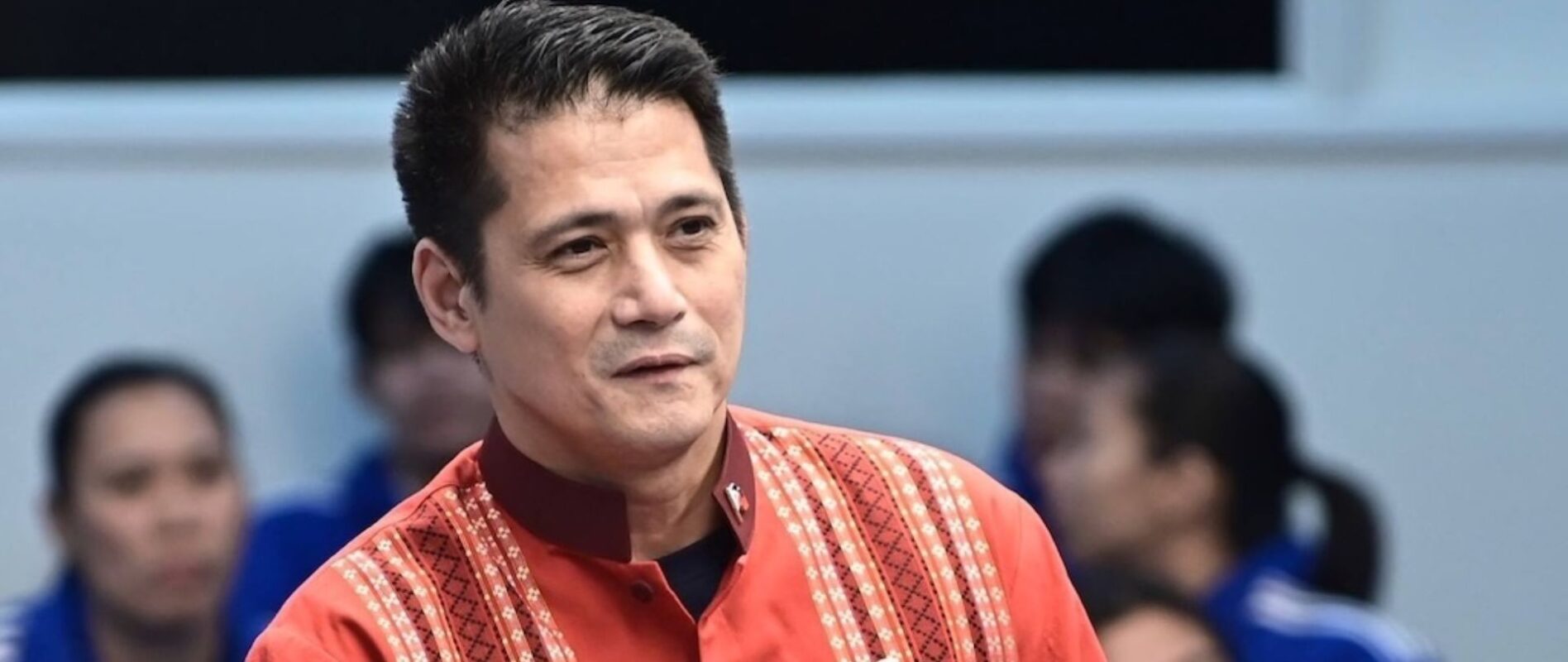
SENATOR Robinhood Padilla has welcomed the signing of Republic Act No. 12321, or the Geographically Isolated and Disadvantaged Areas (GIDA) Schools Act, describing it as a landmark measure that will expand access to quality education for learners in the country’s most remote communities.
Padilla, a co-author of the measure in the Senate, congratulated President Ferdinand R. Marcos Jr. for signing the bill into law.
He said the new law marks a significant step toward ensuring that quality education reaches not only urban centers but also geographically isolated and disadvantaged communities.
“Distance, inadequate infrastructure, and difficult travel should never prevent a Filipino child from exercising the right to education. Education is a right of every child, wherever they may be,” Padilla said.
Under the GIDA Schools Act, the government is mandated to implement a comprehensive program for public schools located in geographically isolated and disadvantaged areas.
The measure provides for the upgrading of school facilities, construction of access roads, and the provision of electricity, internet connectivity, potable water, and other essential services to create a safer and more conducive learning environment for students and teachers.
Padilla also highlighted the law’s provisions aimed at strengthening support for teachers assigned to GIDA schools.
These include additional allowances, housing assistance, training and scholarship opportunities, and clearer career development pathways in recognition of the unique challenges faced by educators serving remote communities.
The senator likewise underscored the law’s provisions protecting the culture and rights of Indigenous Peoples.
The measure requires the integration of Indigenous Knowledge Systems and Practices, indigenous languages, and culturally appropriate learning materials into the curriculum of schools located within ancestral domains, in accordance with the Indigenous Peoples’ Rights Act.
“True development is not simply about building schools. We must ensure that every Filipino child—whether Christian, Muslim, or Indigenous—has equal opportunities to learn without sacrificing their culture and identity,” he said.
Padilla expressed confidence that the GIDA Schools Act will serve as a long-term investment in the country’s future, adding that close coordination among the Department of Education, local government units, and other government agencies will be crucial in bringing quality education to underserved communities and improving the lives of learners in remote areas.