LAWMAKER HAILS ENACTMENT OF LAST MILE, GIDA SCHOOLS LAW
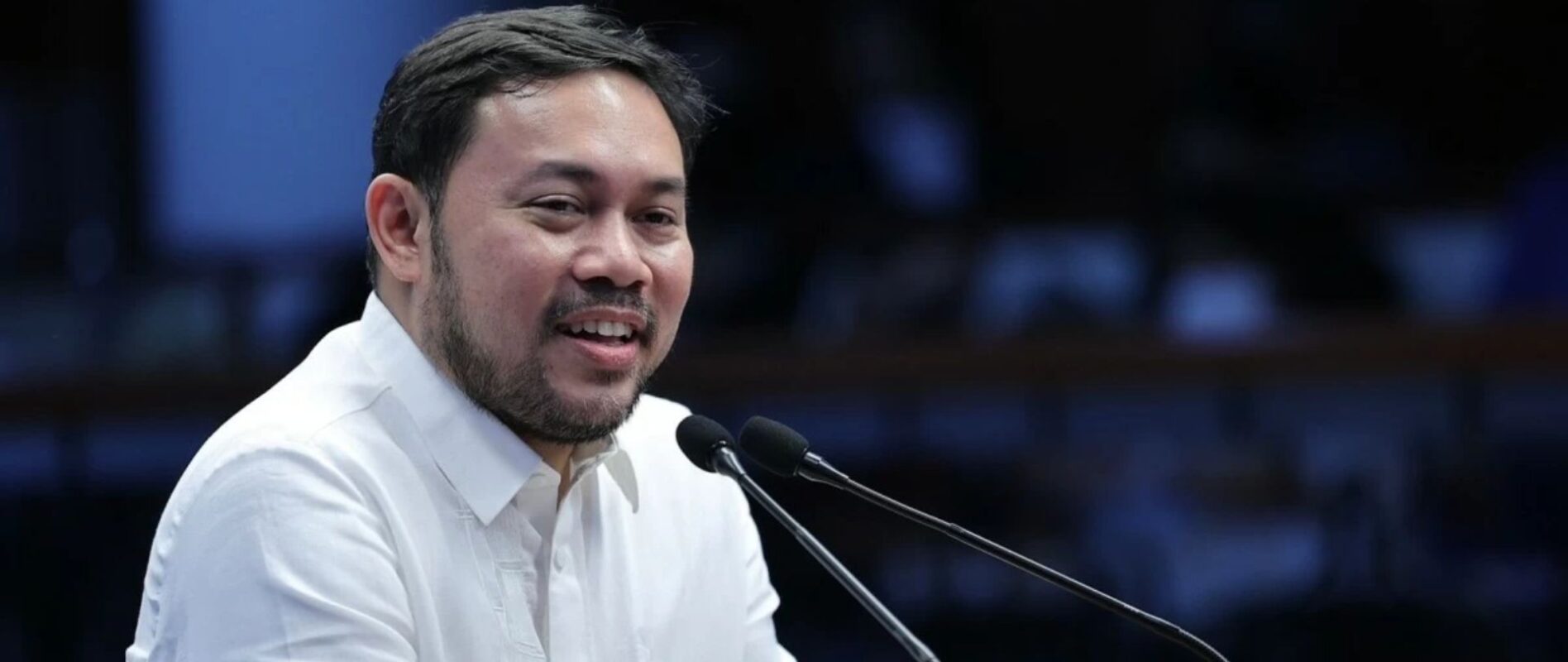
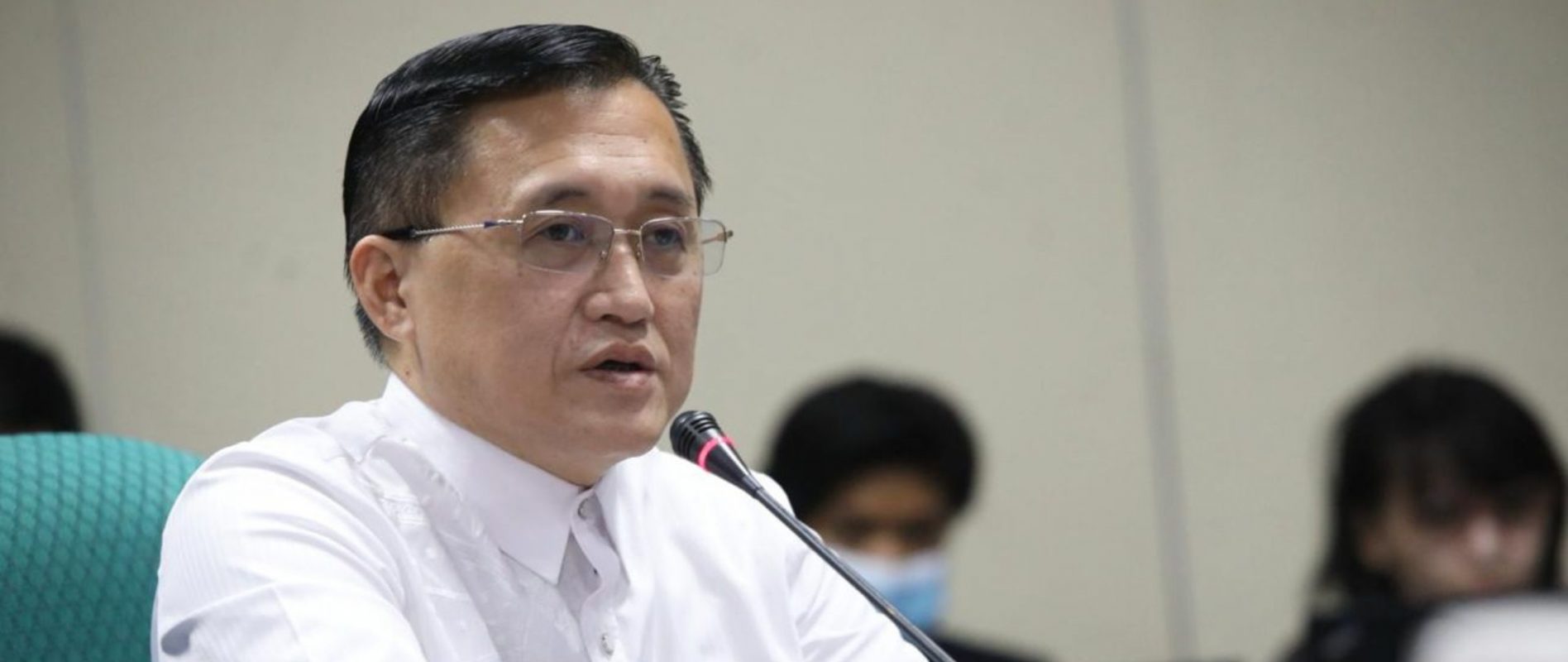
SENATOR Mark Villar has welcomed the enactment of Republic Act No. 12321, or the Last Mile and Geographically Isolated and Disadvantaged Areas (GIDA) Schools Act, describing it as a landmark measure that will expand access to quality and inclusive education for learners in the country’s most remote and underserved communities.
A co-author of the law, Villar said the measure reinforces the government’s commitment to addressing the long-standing challenges confronting public schools in geographically isolated and disadvantaged areas.
Under the law, Last Mile and GIDA schools include public schools located in geographically isolated and disadvantaged areas, schools where at least 75 percent of learners are Indigenous Peoples, and schools in communities affected by armed conflict, insecurity, disaster vulnerability, or other conditions identified by the Department of Education as limiting access to quality education.
Villar noted that many of these schools continue to face inadequate classrooms, unreliable electricity and internet connectivity, limited water and sanitation facilities, shortages of learning resources, and difficulties in attracting and retaining teachers—factors that have widened educational disparities and underscored the need for sustained government intervention.
He said the new law seeks to remove these barriers by ensuring that learners in remote communities receive the support and resources needed to access quality education.
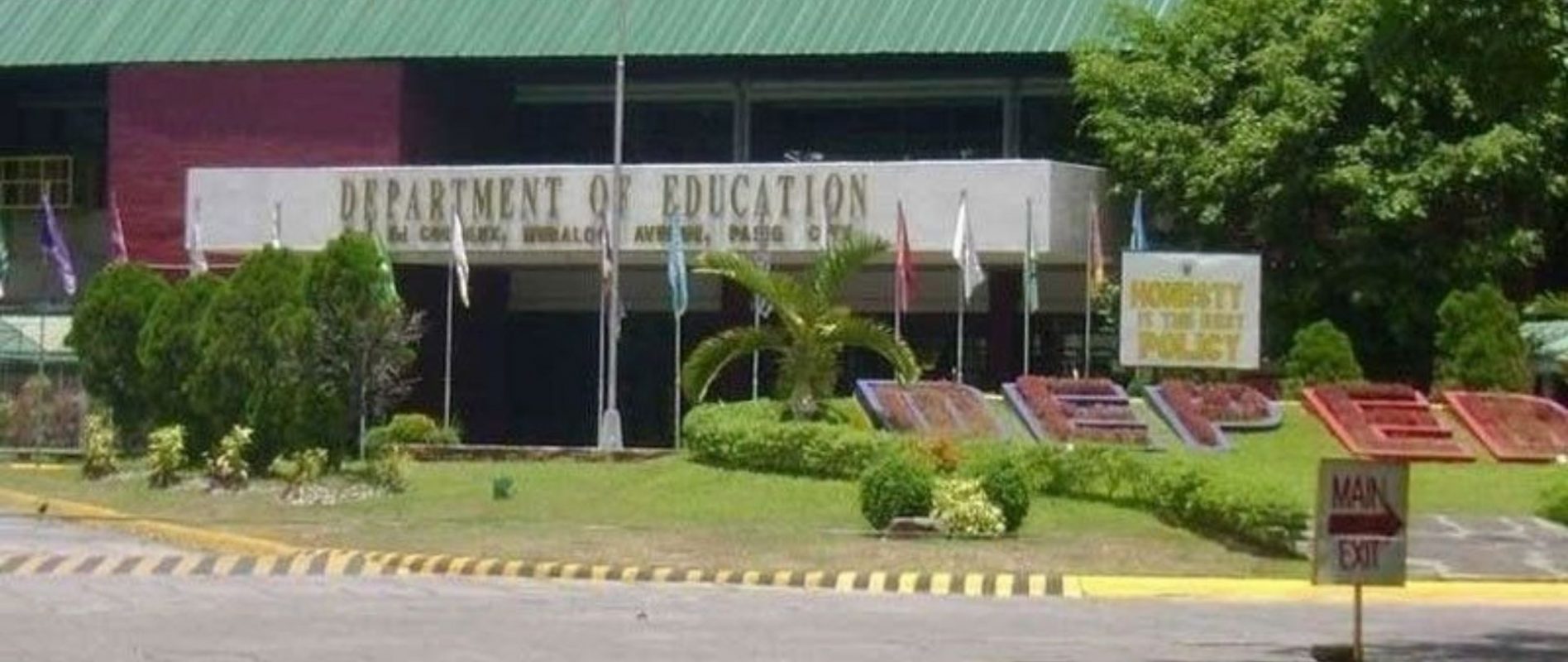
The measure directs the Department of Education to implement a comprehensive, long-term development program for Last Mile and GIDA schools through strategic planning, sustained funding, and stronger inter-agency coordination. It also prioritizes these schools for infrastructure development, digital connectivity, teacher deployment and welfare, learning resources, and other essential education services.
Beyond infrastructure, the law adopts a holistic and context-responsive approach by providing alternative learning modalities, adjusted staffing standards and funding formulas, expanded learning tools and equipment, school feeding, health and psychosocial services, reliable access to water, sanitation, and electricity, integration of Indigenous Knowledge Systems and Practices in Indigenous Peoples communities, and teacher performance evaluation systems tailored to the realities of remote schools.
Villar said the measure complements the government’s broader education reforms by addressing the unique needs of learners and teachers in geographically isolated communities.
He expressed confidence that the law will help narrow educational disparities by ensuring that every Filipino learner, regardless of location or circumstance, has access to quality education and greater opportunities for the future.
“Education should never depend on where a child is born or lives,” Villar said, adding that stronger support for Last Mile and GIDA schools will enable more Filipino children to complete their education and become productive citizens and nation-builders.