EDCOM 2 PUSHES REFORMS THAT CAN OUTLAST POLITICAL CYCLES
THE SECOND Congressional Commission on Education (EDCOM 2) and its partners are calling for education reforms that can continue beyond changes in presidents, education secretaries and other government leaders.
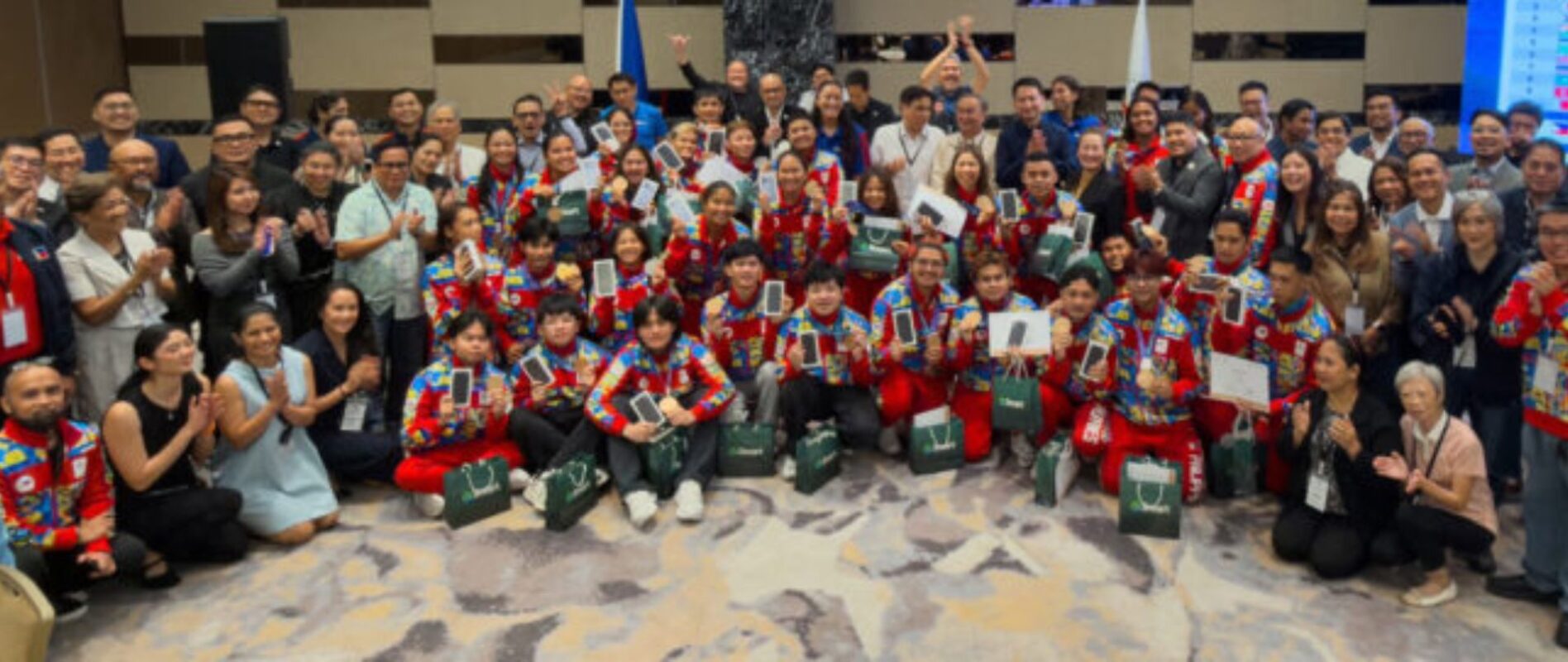
The call was made during The Asia Foundation’s Education Governance Forum, themed “The Next Two Years: Securing the Philippines’ Education Gains,” held on September 28.
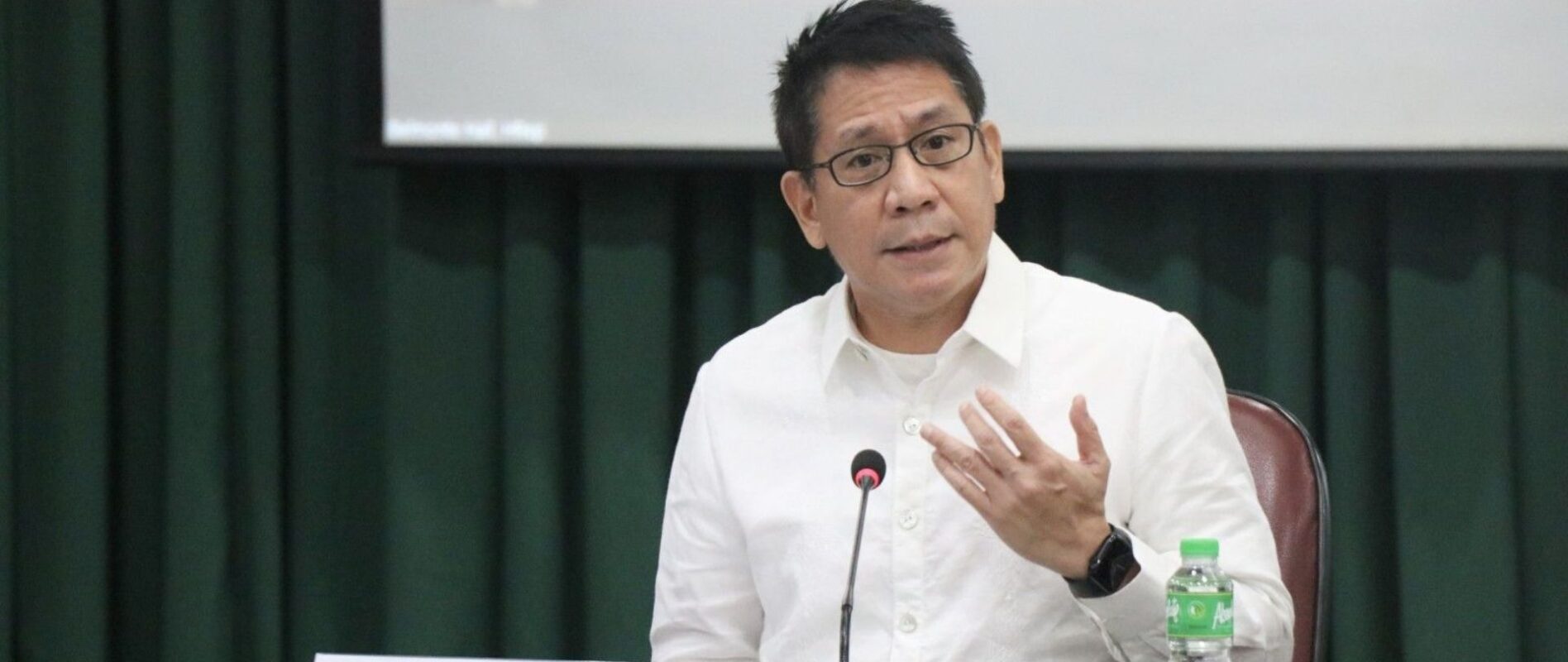
TESDA Director General Francisco “Kiko” Benitez said reforms must be institutionalized to prevent the education system from repeatedly reverting to short-term solutions.
“Presidents change, secretaries change, leaders change. An education must be bigger than any administration,” Benitez said.
He acknowledged that decades of structural problems cannot be resolved within two years but said the remaining reform window could be used to break the cycle of short-term fixes and begin implementing the 10-year National Education and Workforce Development Plan.
Raya School founding director Dr. Ani Almario also called for patience, noting that improvements in education outcomes take years and should remain focused on children and teachers rather than short-term political or administrative timelines.
EDCOM 2 Executive Director Karol Mark Yee, meanwhile, said the continuity of reforms should not depend solely on individual leaders or reform champions.
He said government institutions and bureaucracies must take ownership of reforms, with monitoring and evaluation focused on their actual impact rather than mere compliance or completion of activities.
Yee also underscored the need to build a broader constituency for education reform involving lawmakers, researchers, civil society groups, local governments, schools, teachers, parents and learners.
EDCOM 2 Co-Chairperson Rep. Jude Acidre said the long-term nature of education reform can be seen in the experience of a child entering kindergarten today.
“A child who enters kindergarten this school year will finish senior high school around 2039. By then, we will have gone through five Congresses and at least two new presidents,” Acidre said.
He cited the Congressional Alliance for Philippine Education (CAPE) as one mechanism that could help Congress maintain continuity in education reform and allow succeeding lawmakers to build on existing initiatives.
The forum also highlighted the importance of local and community ownership, with participants calling for greater space for schools and local governments to respond to their specific needs and circumstances.
Australian Embassy in the Philippines Counsellor for Development Peter Adams said the next two years would be critical in determining whether current education initiatives are sustained, expanded and embedded within institutions.
The stakeholders stressed that education reform should ultimately become part of the way the system operates, rather than remain tied to particular leaders, administrations or projects.