DEPED EXPANDS LGU PARTNERSHIPS TO ADDRESS CLASSROOM BACKLOG
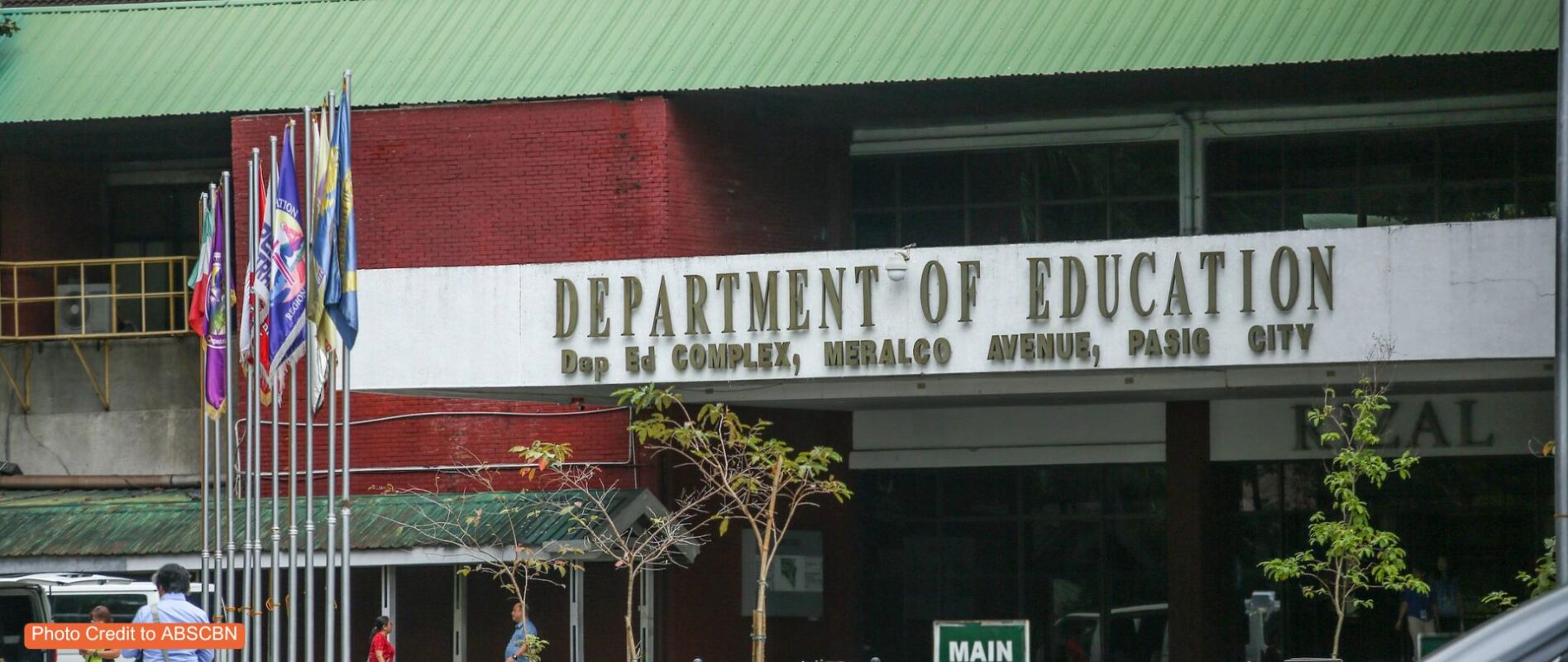
THE Department of Education (DepEd) has expanded its nationwide school infrastructure program by securing partnerships with all provinces in the country, 87 percent of cities, and 75 percent of municipalities as part of its long-term effort to address the classroom shortage.
Speaking before the Senate Committee on Basic Education, DepEd Undersecretary for Legal and Legislative Affairs Filemon Ray Javier said the agency has established partnerships with 100 percent of provinces, 87 percent of cities, and 1,118 out of the country’s 1,493 municipalities.
Javier said addressing the classroom backlog has been among Education Secretary Juan Edgardo Angara’s top priorities since assuming office two years ago, emphasizing that a problem of such magnitude requires permanent and well-planned solutions rather than temporary fixes.
He assured lawmakers that DepEd remains committed to delivering the needed classrooms as quickly as possible while ensuring that implementation is sustainable and that public funds are properly utilized.
The department said partnerships with local government units (LGUs) are expected to further expand as the implementation of the school infrastructure program progresses.
Of the P67.9-billion allocation for the Fiscal Year 2026 classroom construction program, DepEd said P49.8 billion has already been mobilized to support the construction of an initial 14,601 classrooms.
The funding package includes P22.35 billion for LGU-led projects that will build 6,353 classrooms; P20.85 billion coursed through the Department of Public Works and Highways (DPWH) for 6,134 classrooms; P3.5 billion for 1,622 DepEd Learning Continuity Spaces; and P3 billion for civil society organizations, non-government organizations, and Last Mile Schools to construct 515 classrooms.
According to DepEd, 209 LGUs are currently in various stages of the procurement process. Among the milestones achieved are the issuance of Notices to Proceed in Biliran and Mountain Province, as well as Resolutions to Award in Nueva Ecija and Ilocos Sur.
Javier said the department deliberately invested time in thorough preparations at the start of the program to ensure transparency, accountability, and the proper use of government resources for the benefit of learners.
To prevent administrative delays encountered in previous projects due to incomplete documentation, DepEd conducted legal and technical validation of more than 47,972 original school site records to verify land ownership and determine available areas for construction.
The department also deployed one engineer and four technical personnel to every Schools Division Office to validate and digitize school site records nationwide.
Beyond the current program, DepEd said it is preparing to further expand classroom capacity through a pipeline of 16,000 classrooms under the Public-Private Partnership for School Infrastructure Project Phase 3.
The agency is also pursuing leasing and property acquisition initiatives to secure an additional 1,000 classrooms in high-density urban areas, particularly in Metro Manila, Central Luzon, and Calabarzon, where classroom demand remains high.