
DEPED EARMARKS OVER P2.2-B TO STRENGTHEN LITERACY, NUMERACY PROGRAMS
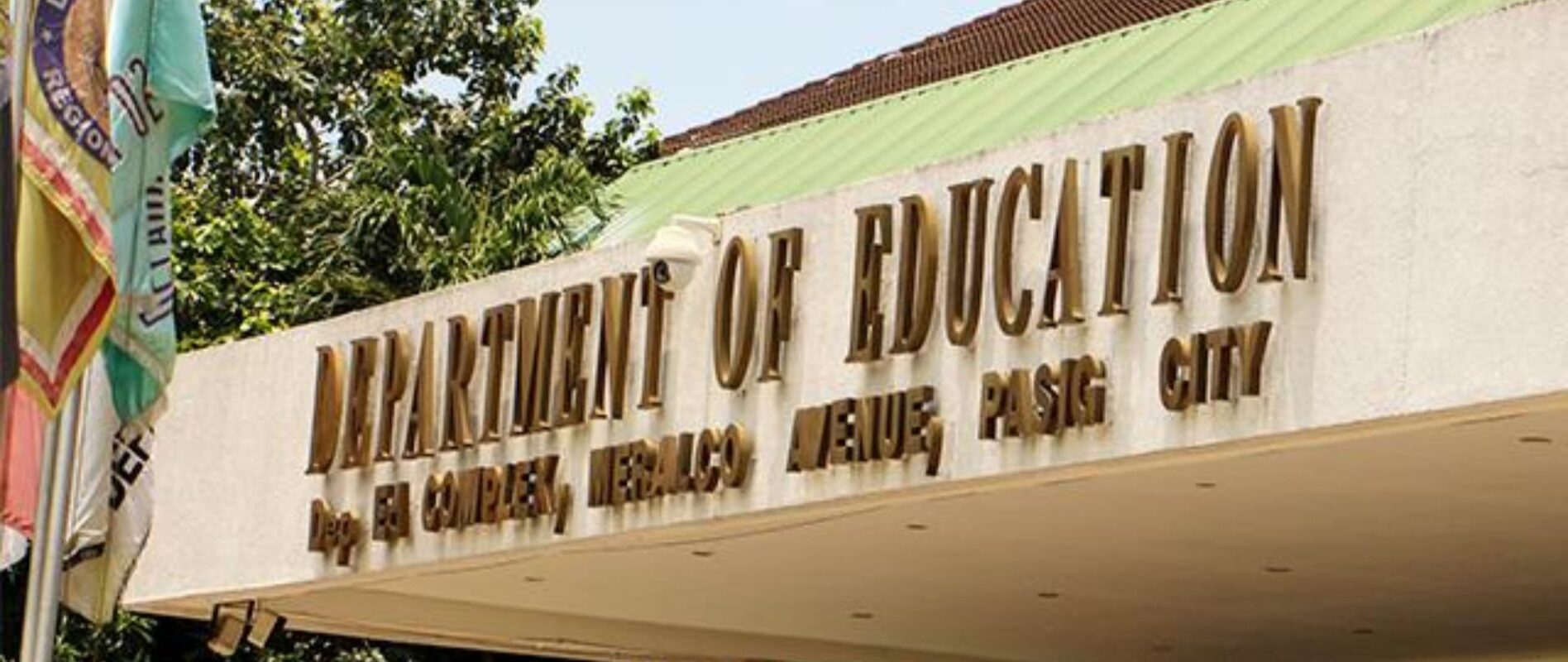
THE DEPARTMENT of Education (DepEd) has allocated P2.289 billion under the School Innovation and Improvement Fund (SIIF) to support non-implementing unit public schools in rolling out targeted literacy and numeracy programs.
The funding aims to strengthen school-based interventions by providing direct financial assistance to schools, enabling them to address learning gaps through programs tailored to their specific needs.
According to DepEd, the SIIF is designed to reinforce decentralization by giving schools greater fiscal autonomy and flexibility in planning, managing, and implementing responsive interventions based on their priorities.
Education Secretary Sonny Angara said the direct release of funds empowers schools to develop practical, localized solutions that will strengthen students’ reading and mathematics foundations.
“By downloading these funds straight to our schools, we empower them to implement practical, localized solutions to build strong reading and math foundations for every Filipino child,” Angara said.
He added that meaningful improvements in basic education begin inside the classroom, where learners and teachers interact every day.
“Real progress in basic education happens where our learners and teachers interact every day, right inside the classroom. In line with President Bongbong Marcos’ commitment to tackle learning poverty head-on, we are making sure our ground-level educators have direct access to resources without unneeded administrative friction,” he said.
DepEd said the inaugural implementation of the SIIF posted an 84% fund utilization rate, supporting academic recovery, remediation, and learning enrichment programs that benefited 405,930 learners nationwide.
Under DepEd Memorandum No. 048, s. 2026, recipient schools—including eligible senior high schools—will receive predetermined funding allocations without the need to submit funding proposals.
The department said the streamlined funding mechanism is expected to speed up the implementation of school-based interventions and strengthen literacy and numeracy outcomes as part of the government’s broader effort to address learning poverty.