LAWMAKER PUSHES FINANCIAL ASSISTANCE FOR STUDENTS UNDERGOING MANDATORY INTERNSHIPS
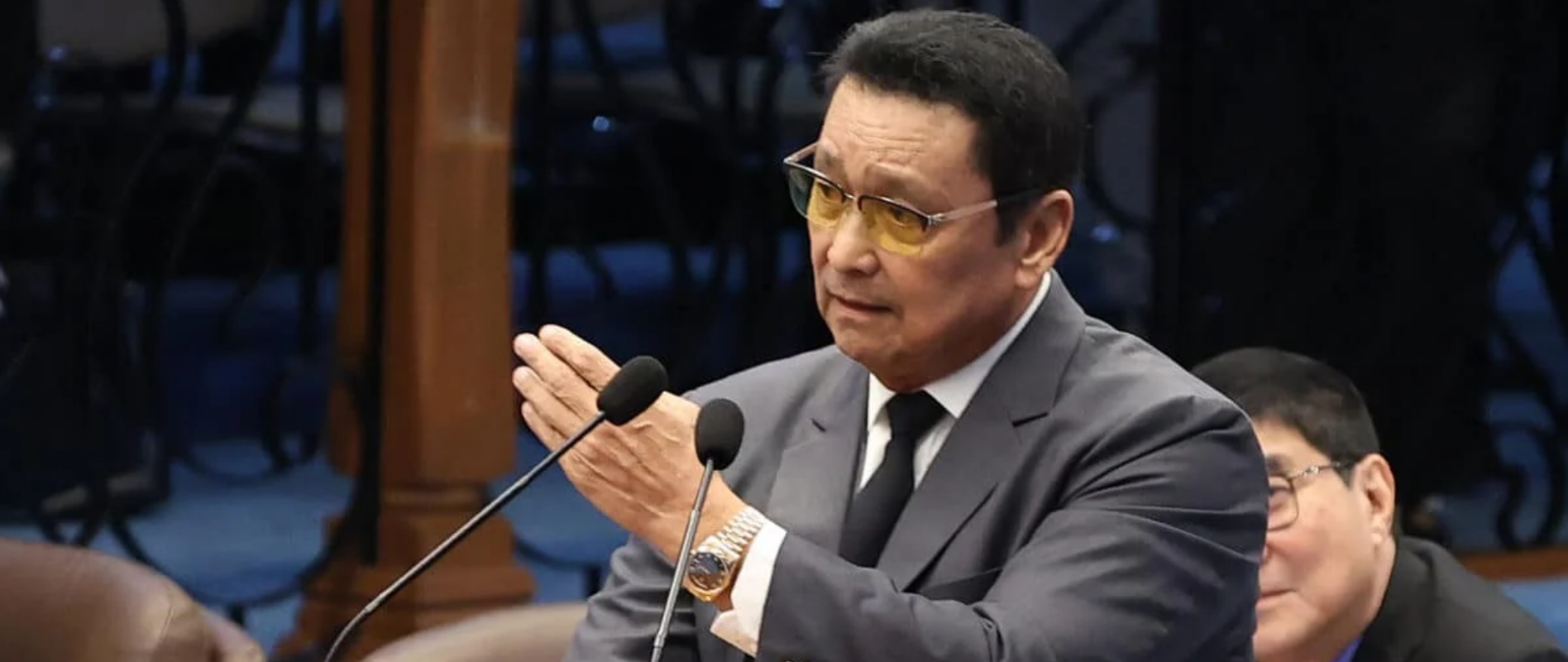
SENATOR Manuel “Lito” Lapid is pushing for a measure that would provide financial assistance to qualified college and technical-vocational students undergoing mandatory internships, practicum, clinical rotations, laboratory work and other required experiential learning activities.
Under Senate Bill No. 2582, Lapid seeks to establish an Internship Financial Assistance Program that would grant financial aid to eligible students based on the number of hours they complete during their required internship or training.
The proposed measure aims to ease the financial burden on underprivileged students who must shoulder expenses for transportation, meals, specialized uniforms, medical clearances and temporary accommodation near their internship sites, often without receiving stipends or allowances from their host establishments.
In the bill’s explanatory note, Lapid emphasized that mandatory experiential learning is an essential component of tertiary and technical-vocational education, as it bridges classroom instruction with practical workplace competencies and prepares students for professional licensure and employment.
However, he pointed out that the costs associated with these training requirements could pose significant challenges for students from low-income families, potentially forcing some to delay graduation or abandon their studies during the final stages of their education.
The proposed program seeks to provide state-funded financial assistance to ensure that financial difficulties do not prevent students from completing their required training and obtaining their degrees or qualifications.
Under the bill, the financial assistance would be released in two tranches. Fifty percent of the total grant would be provided once a student completes half of the required internship hours, while the remaining balance would be released upon completion of the training program.
Lapid is seeking the passage of the measure, underscoring the need to help financially disadvantaged students complete their education and mandatory training without being held back by the costs involved.