SENATOR SEEKS FREE PUBLIC STUDY HUBS, MODERNIZED LIBRARIES NATIONWIDE
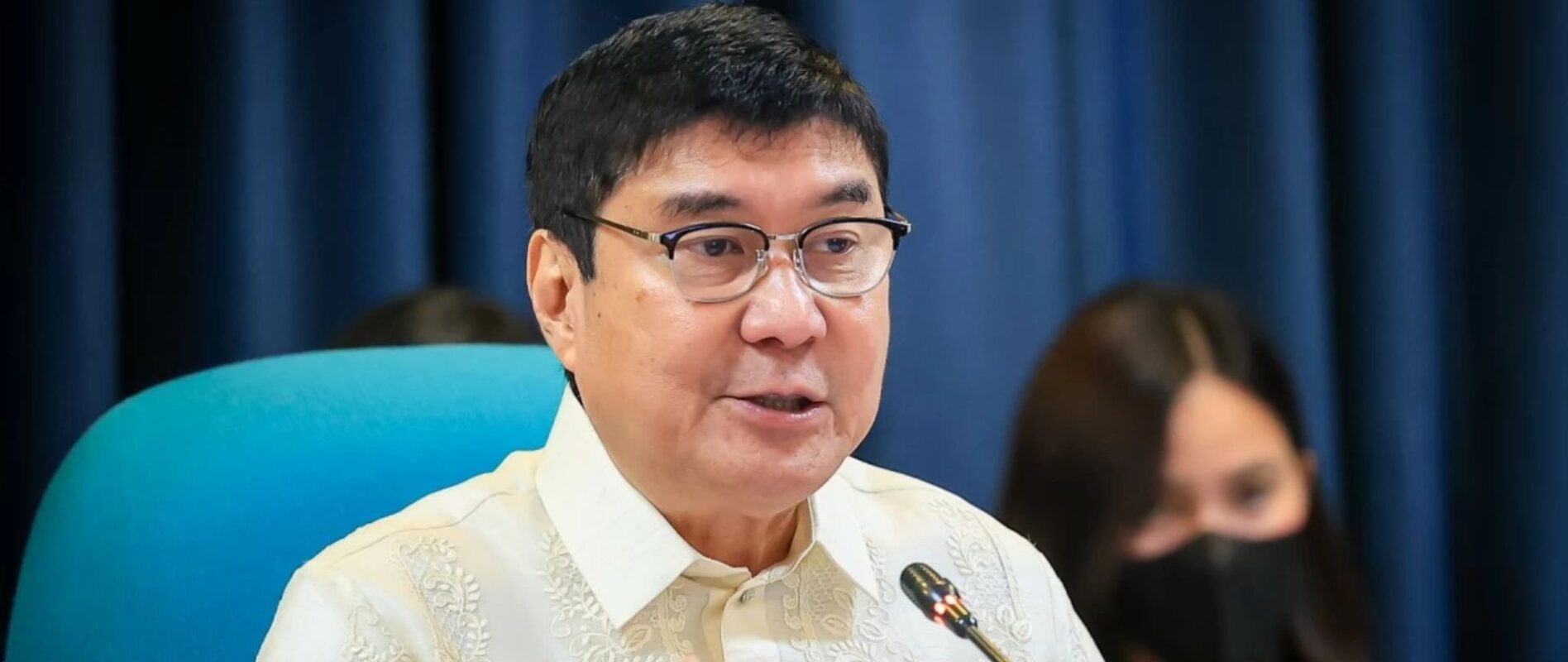
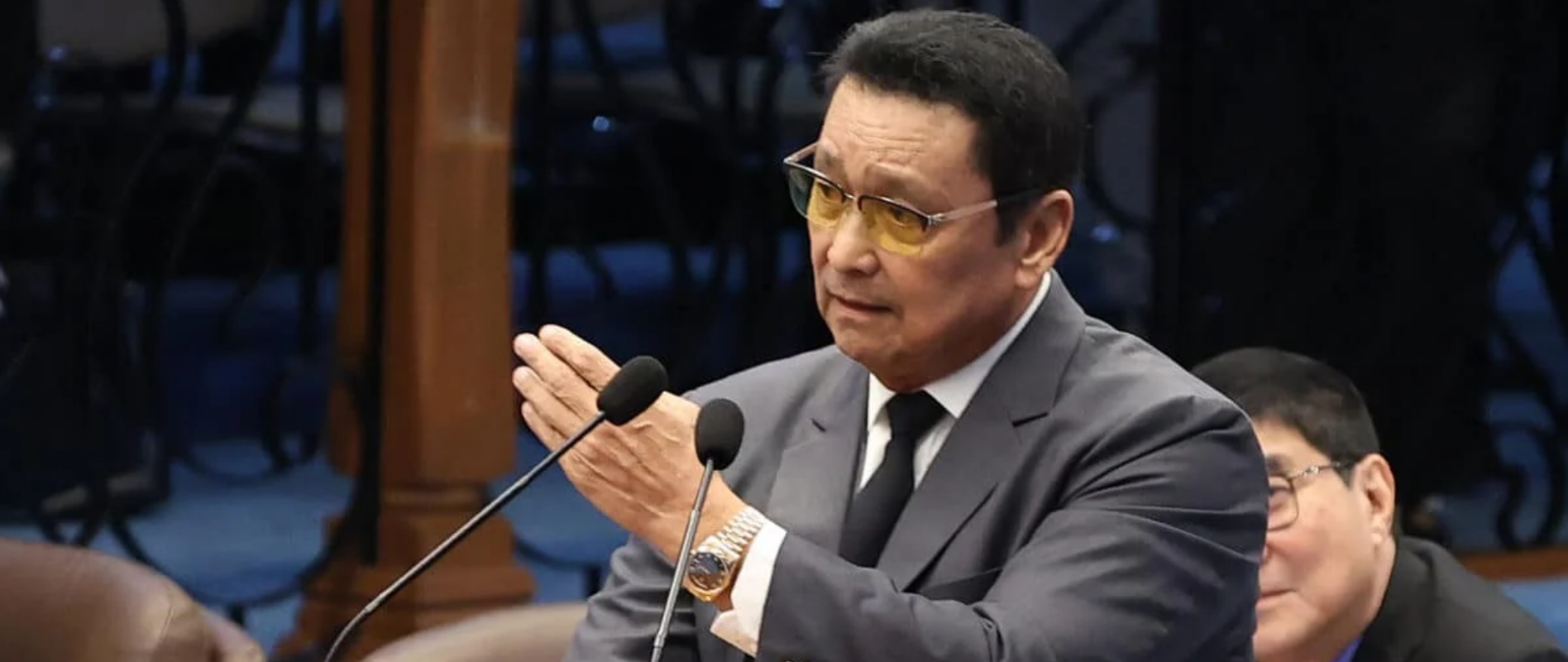
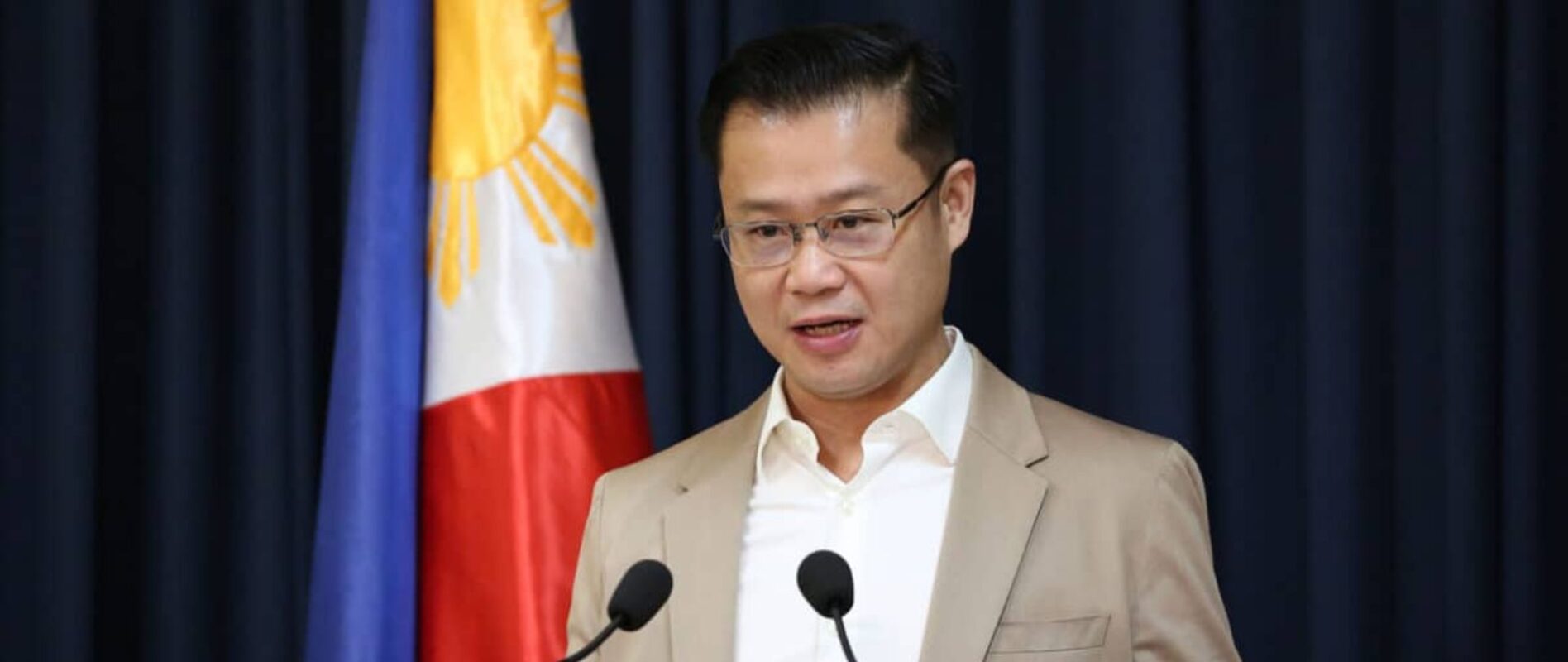
SENATOR Raffy Tulfo has filed a measure seeking to establish accessible public study spaces in cities and municipalities and modernize existing public libraries and barangay reading centers across the country.
Under the proposed measure, titled An Act Establishing Accessible Public Study Spaces and Modernizing Public Libraries and Reading Centers Throughout the Philippines, Providing Funds Therefor, and for Other Purposes, Tulfo aims to provide Filipino students with free, safe and conducive spaces to read, study and conduct research without having to spend money at private commercial establishments.
In the bill’s explanatory note, Tulfo pointed out that while the 1987 Constitution guarantees the right of all citizens to quality education, access to learning opportunities extends beyond the classroom.
He noted that many students lack basic study facilities at home, including reliable internet connections, computers, electrical outlets and quiet spaces where they can concentrate on their studies.
Citing the Philippine Statistics Authority’s 2024 National Information and Communications Technology Household Survey, Tulfo underscored the country’s continuing digital divide.
The survey showed that only 48.8 percent of Filipino households had internet access at home, with connected households spending an average of ₱1,465.30 monthly for the service.
Among households without internet access, 58.3 percent cited the high cost of subscriptions, while 57.5 percent pointed to the cost of equipment as a major barrier.
Tulfo also noted that Republic Act No. 7743, enacted in 1994, mandated the establishment of public libraries in every congressional district, city and municipality, as well as reading centers in every barangay. However, implementation has lagged behind the demands of modern education.
Data from the International Federation of Library Associations and Institutions showed that, as of 2024, the Philippines had 1,750 public library service points, of which only 258 provided internet access.
By comparison, South Korea had 2,495 internet-connected public library service points despite having roughly half the population of the Philippines.
With limited access to suitable public study areas, commercial establishments such as cafés have increasingly become informal learning spaces for college students, many of whom are forced to purchase food or drinks just to access Wi-Fi and electrical outlets.
Tulfo stressed that access to a study desk, internet connection, electrical outlet and conducive learning environment should be treated as a public good rather than a privilege dependent on one’s purchasing power.
Instead of relying solely on constructing new facilities, the proposed measure prioritizes the modernization and adaptive reuse of existing public libraries, barangay reading centers, government buildings, community centers and other suitable public facilities.
Through the measure, Tulfo seeks to expand access to free learning spaces and make public libraries and reading centers more responsive to the educational and digital needs of Filipino students.