NEW VOUCHER LAW TO EASE CLASSROOM CONGESTION, EXPAND SCHOOL ACCESS — LAWMAKER
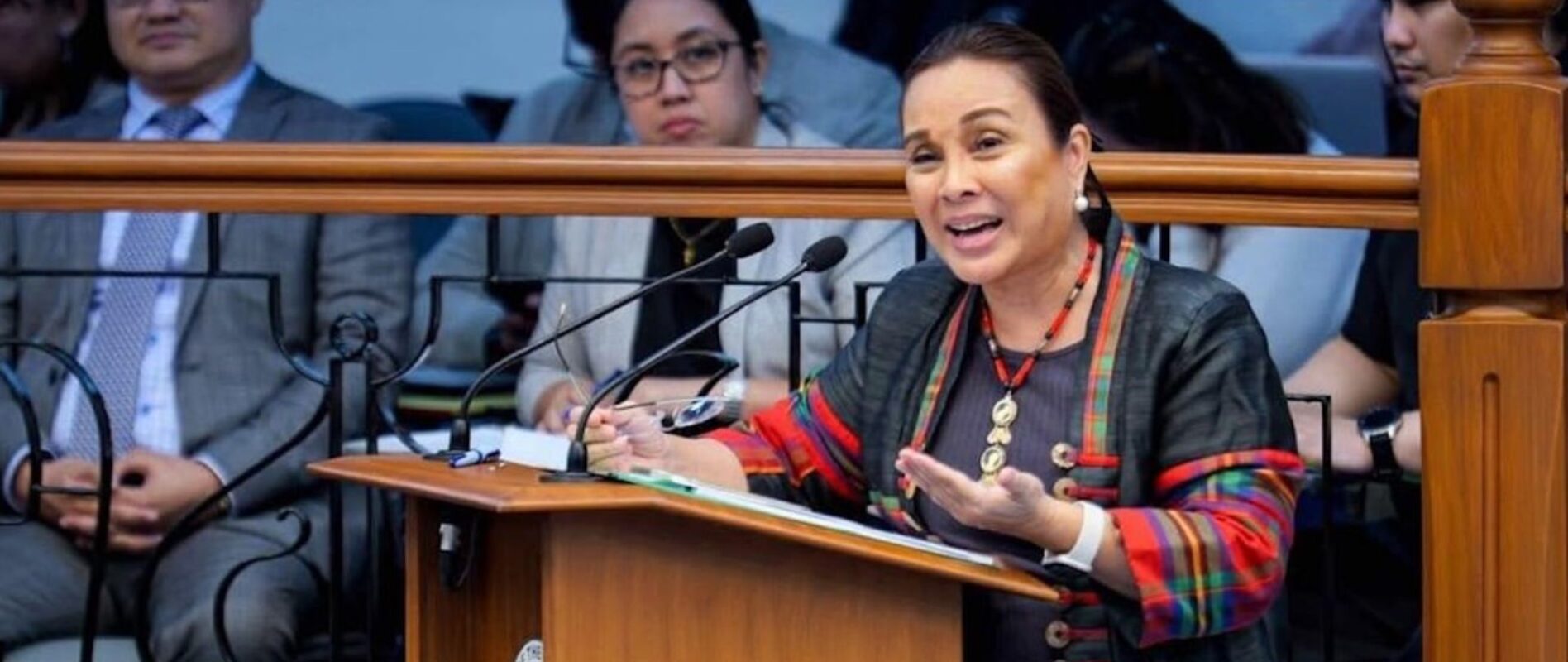
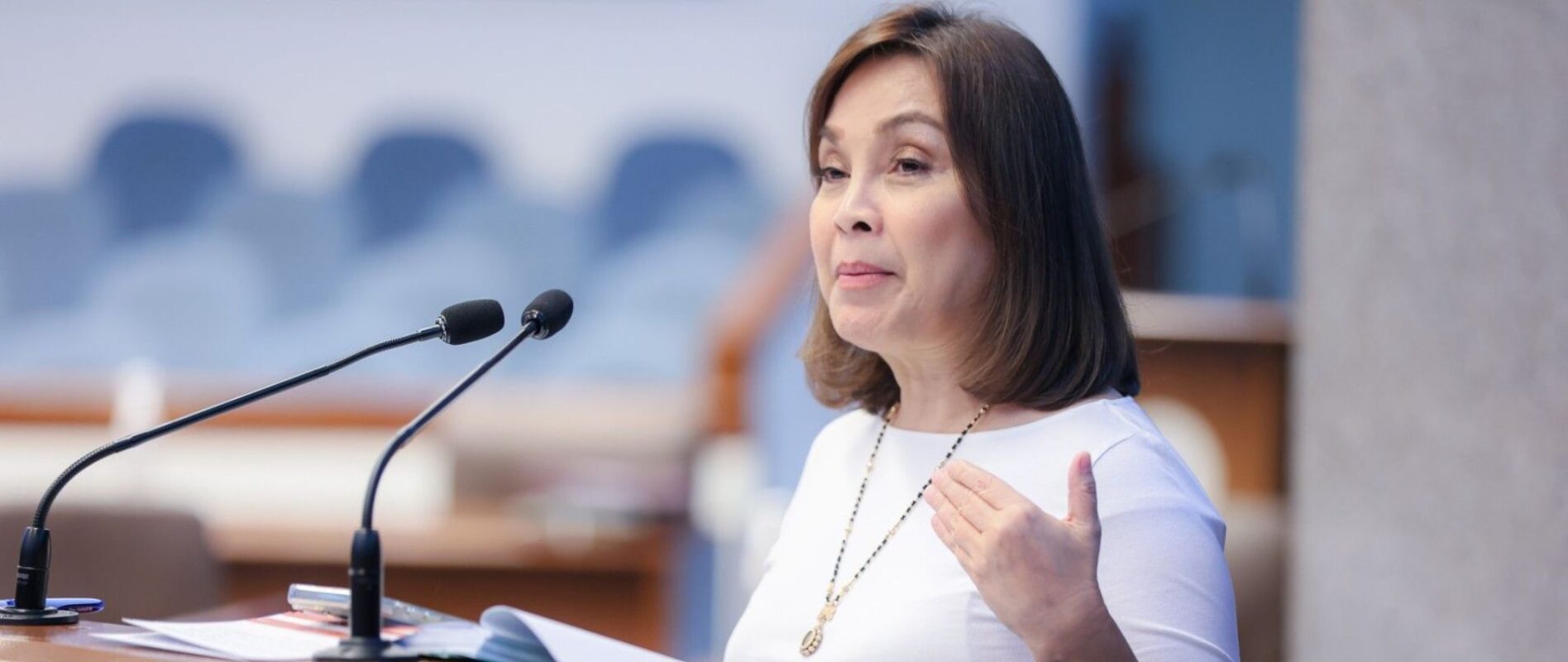
SENATOR Loren Legarda has welcomed the enactment of the Basic Education Voucher Assistance (BEVA) Act, saying the new law will help ease overcrowding in public schools while expanding access to private basic education for students from poor and low-income families.
Legarda, a co-author and co-sponsor of the measure, also served as a Senate representative in the bicameral conference committee that finalized the legislation.
She cited data from the Second Congressional Commission on Education (EDCOM 2) showing that the Philippines had a shortage of 147,347 classrooms as of September 2025.
During School Year 2024-2025, a total of 1,889 schools were also forced to adopt double- or triple-shift arrangements to accommodate their growing student populations.
“Hindi dapat maging hadlang sa pagkatuto ng ating mga anak ang kakulangan sa silid-aralan. While we continue building more classrooms, we must also find practical ways to give children access to schools where they can learn properly,” Legarda said.
Under Republic Act No. 12327, qualified students may receive government-funded vouchers to help cover the cost of enrolling in participating private basic education schools.
Priority will be given to children from poor and low-income households, particularly those affected by overcrowded public schools or living in communities without nearby public schools.
The law also provides higher voucher assistance for disadvantaged learners and requires the Department of Education (DepEd) to regularly review voucher amounts to ensure that the assistance remains responsive to education costs.
Implementation at the kindergarten and elementary levels is scheduled to begin in School Year 2027-2028.
Legarda said the measure aims to maximize available classroom capacity in private schools and make these facilities more accessible to students who need financial assistance.
She stressed, however, that access to education should go beyond simply providing children with a school to attend. Every learner must also have adequate space, time, and attention to support meaningful learning.
“Hindi sapat na may paaralang mapapasukan ang isang bata. Mahalaga rin na may sapat na espasyo, oras, at atensyon ang bawat mag-aaral upang tunay na matuto,” she said.
Beyond financial assistance, the BEVA Act establishes the Bureau of Private Education under DepEd to strengthen quality assurance and oversight of participating schools.
The law also provides safeguards against fraudulent voucher claims and protects students from certain adverse consequences arising from delays in government payments.
Despite the expanded role of private schools under the program, Legarda emphasized that the voucher system should complement, rather than replace, sustained government investments in public school infrastructure, facilities, and learning resources.
She said the success of the law would ultimately be measured by how many Filipino children it helps gain access to quality education and better learning opportunities.
“Every Filipino child deserves a place to learn and a fair chance to succeed,” Legarda said.