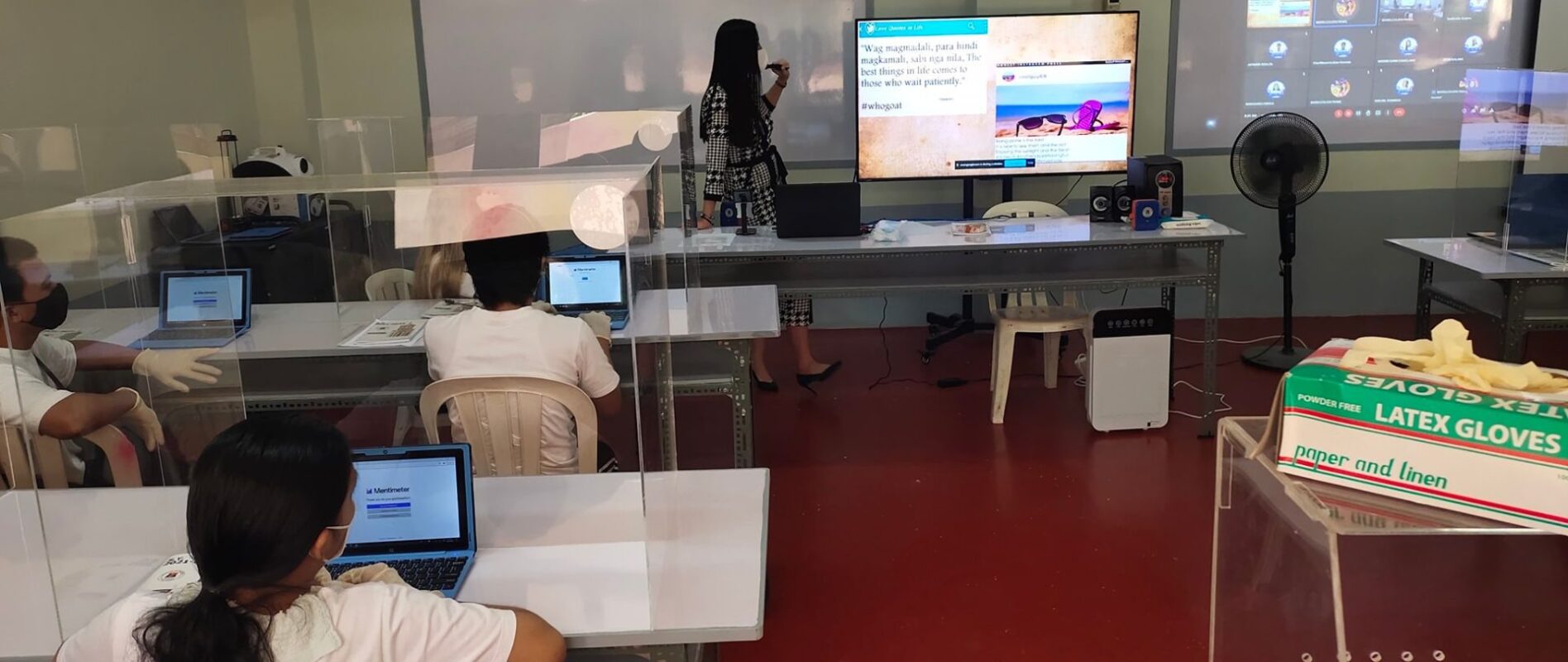
LAWMAKER SEEKS TESDA TRAINING CENTER IN ZAMBOECOZONE TO BOOST LOCAL WORKFORCE

ZAMBOANGA City Rep. Katrina Reiko Chua-Tai is pushing for the establishment of a Technical Education and Skills Development Authority (TESDA) Training Center within the Zamboanga City Special Economic Zone and Freeport (ZAMBOECOZONE) to strengthen workforce development and prepare local workers for industry demands.
Under House Bill No. 11593, Chua-Tai seeks to establish a dedicated training facility that will provide technical-vocational education and skills development programs aligned with the manpower requirements of industries operating within the economic zone.
According to the bill’s explanatory note, the proposed center will offer specialized technical-vocational courses, skills training, competency assessments, and certification programs to prepare workers for employment opportunities within the Freeport and nearby communities.
The training programs will cover various industries, including manufacturing, industrial operations, electronics technology, automotive services, logistics, information and communications technology (ICT), food processing, agriculture, tourism, and hospitality.
The proposed facility will also cater to workers seeking to upgrade their qualifications, jobseekers, out-of-school youth, persons with disabilities, displaced workers, returning overseas Filipino workers (OFWs), and other disadvantaged individuals.
The measure further provides for cooperation between TESDA and the ZAMBOECOZONE Authority in managing and operating the training center, with TESDA retaining administrative and technical supervision over its training programs, personnel, and certification standards.
Chua-Tai said establishing the facility would strengthen the connection between skills development and economic growth by ensuring that local workers are equipped to take advantage of existing and emerging employment opportunities in Zamboanga City and the broader Zamboanga Peninsula.
The proposed legislation also seeks to make technical-vocational education more accessible while improving the region’s workforce capabilities and industrial competitiveness.