LAWMAKER PUSHES RAINWATER CATCHMENT SYSTEMS IN PUBLIC SCHOOLS AMID EL NIÑO THREAT
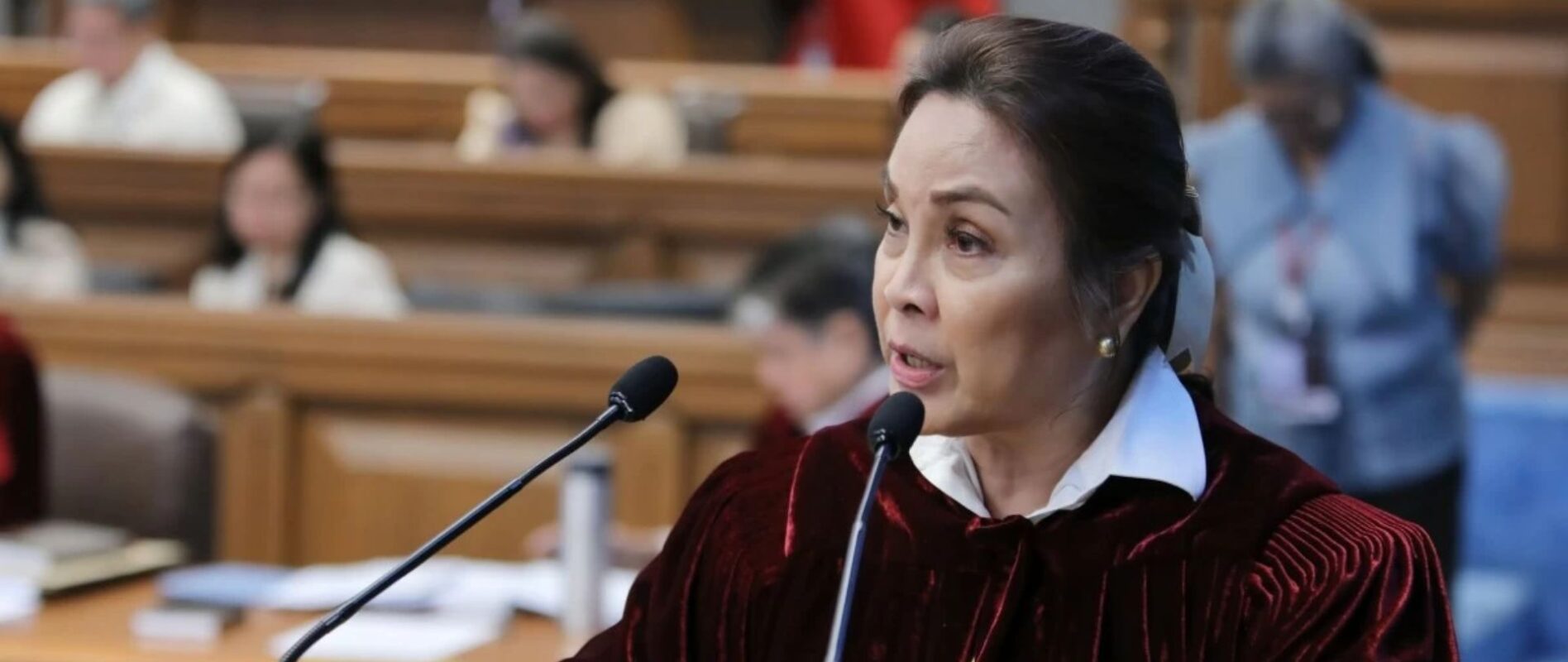
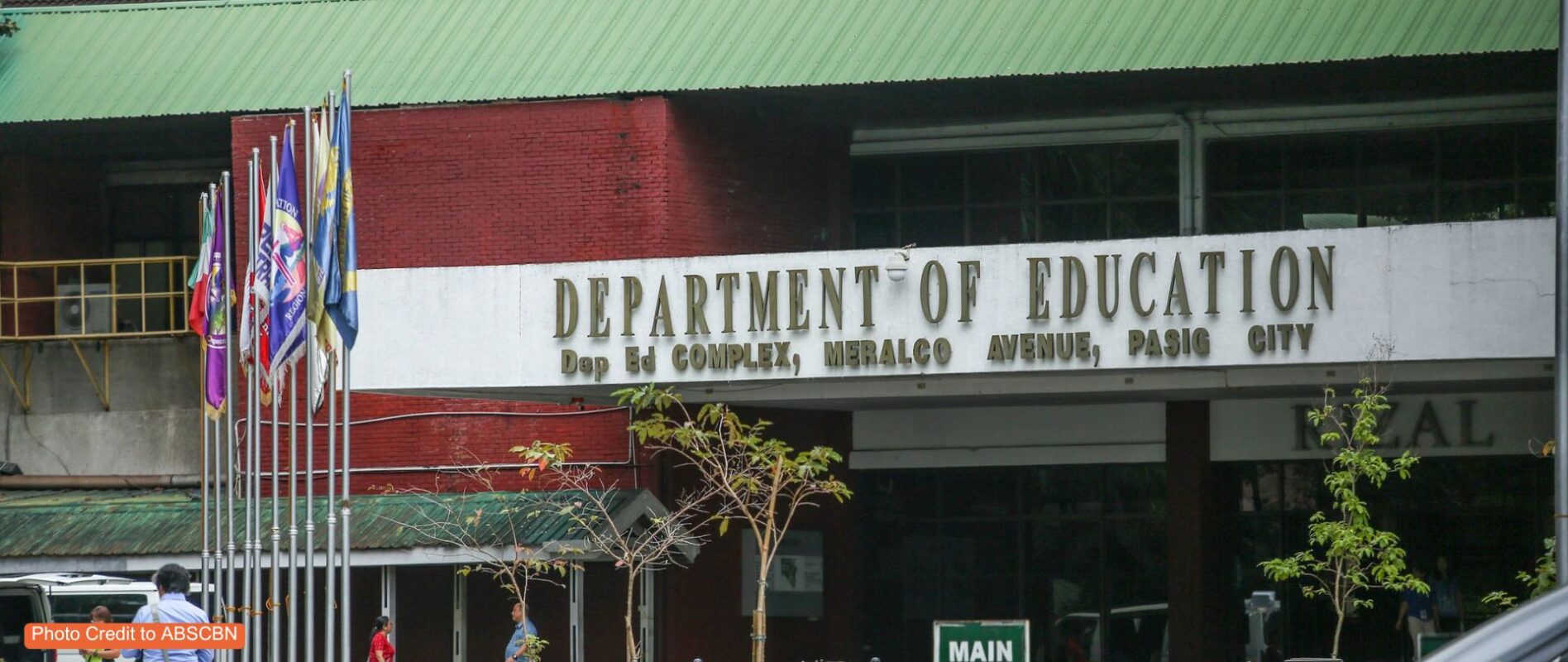
SENATOR Loren Legarda is urging the Department of Education (DepEd) and local government units (LGUs) to prioritize the installation of rainwater catchment systems in public schools as part of efforts to prepare for the worsening effects of El Niño.
The proposal is the first of 10 measures outlined in Legarda’s 10-Point Policy Action Plan to address the impacts of the climate phenomenon, particularly prolonged dry spells and potential water shortages.
The initiative seeks to help schools collect and store rainwater for essential sanitation and cleaning needs, especially in communities with unreliable water supplies.
Legarda noted that while El Niño increases the likelihood of below-normal rainfall and drought, some areas may still experience rain due to tropical cyclones and other weather systems, presenting an opportunity to build up water reserves before prolonged dry spells set in.
“May mga lugar na umuulan pa ngayon. Dapat ngayon pa lang, naglalagay na tayo ng mga rain catchment facilities upang maipon ito. Maaari nating simulan sa mga paaralan kung saan malaking tulong ang mga naipong tubig upang mapanatili ang kalinisan at sanitasyon ng mga pasilidad,” Legarda said.
Under the first action point of her plan, Legarda is calling on DepEd and LGUs, in coordination with the Philippine Atmospheric, Geophysical and Astronomical Services Administration (PAGASA), to assess suitable locations for installing modular rain barrels, roof gutters, and water storage tanks.
These systems are designed to collect rainwater from rooftops and channel it into covered storage containers for non-potable uses, such as toilet flushing and cleaning school facilities.
DepEd’s Water, Sanitation, and Hygiene in Schools (WASH) technical guide already recognizes rainwater catchment systems as a means of supporting school hygiene and sanitation, particularly during emergencies and in communities without reliable access to water.
The guide provides a rule-of-thumb estimate of approximately five liters of water per learner per day for basic hygiene and cleaning requirements.
It also recommends installing gutter screens to keep debris out of storage tanks, using first-flush diverters to separate the initial rooftop runoff, and cleaning storage tanks every six months.
Legarda emphasized that the installation of these systems should be based on the actual needs of each school, available rooftop space, local rainfall patterns, and the capacity of existing facilities.
She also stressed the importance of properly covered storage facilities and regular maintenance to prevent water contamination and mosquito breeding.
For areas where drought conditions have already intensified and rainfall has ceased, Legarda proposed an alternative intervention involving local government units, the Bureau of Fire Protection (BFP), and local water districts.
Under this approach, tanker trucks would be deployed to fill existing rainwater catchment facilities, transforming them into decentralized emergency water storage points to help address school sanitation needs.
The rainwater catchment proposal forms part of Legarda’s broader efforts to strengthen the country’s preparedness for El Niño. She previously filed Senate Resolution No. 733, seeking an inquiry into the government’s readiness, existing programs, and adequacy of funding to address the projected impacts of the climate phenomenon.
Legarda emphasized that the assessment of government resources and preparedness must go hand in hand with practical interventions that government agencies and communities can immediately implement to reduce their vulnerability to water shortages.