HARVARD DEAN URGES PH TO SUSTAIN DATA-DRIVEN EDUCATION REFORMS
HARVARD Graduate School of Education Dean Dr. Nonie Lesaux has urged the Philippines to sustain its data-driven approach to education reforms, emphasizing that continuous monitoring and measurement are essential to achieving long-term progress despite political and societal changes.
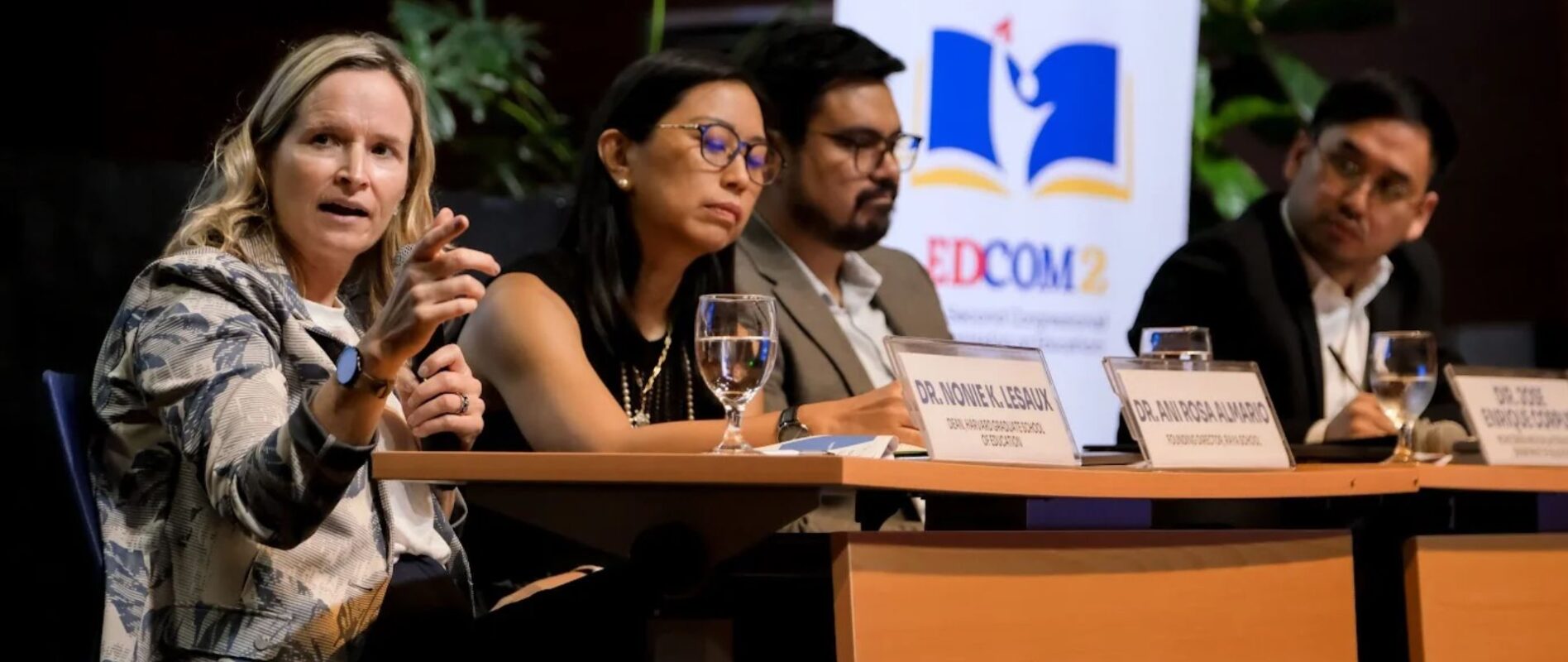
During a policy discussion with the Second Congressional Commission on Education (EDCOM 2) at the University of the Philippines Bonifacio Global City Campus, Lesaux said the country already has an important foundation for sustaining reforms through its existing data infrastructure and monitoring dashboards.
She stressed that regularly tracking progress and identifying areas requiring targeted interventions would be crucial as the government works to expand early childhood education and address persistent literacy gaps.
EDCOM 2 Co-chairperson and Senate President Sherwin Gatchalian agreed, underscoring the importance of systematic data collection, including tracking newborns and children with special needs through a child-find system.
Meanwhile, EDCOM 2 Executive Director Dr. Karol Mark Yee presented the Commission’s 10-year education roadmap through 2035, which prioritizes addressing childhood stunting, expanding early childhood care and development (ECCD), improving Grade 3 literacy, and raising learning proficiency by Grade 10.
Yee disclosed that only around 30 percent of children aged three to four currently have access to ECCD services.
EDCOM 2 aims to increase this figure to at least 50 percent within two years and 90 percent by 2035.
On improving learning outcomes, Lesaux emphasized the importance of exposing children to quality early learning experiences during the first 60 months of life to develop foundational literacy, numeracy, critical thinking, and social-emotional skills.
She also recommended community-based programs that engage both children and their parents through initiatives such as home visits and small-group learning sessions.
According to Lesaux, supporting parents is just as important as providing learning opportunities for children, as adults play a critical role in shaping their development through everyday interactions, proper nutrition, and the home environment.
The discussion, titled “Global Evidence, Local Action: Policy Discussion on Advancing Early Childhood Development and Foundational Literacy in the Philippines,” was organized by EDCOM 2 under the Philippine Education Reform Movement (PERM).
The initiative brings together lawmakers, researchers, civil society organizations, and local government units to help ensure the continuity of education reforms.
Lesaux also commended the collaboration and community participation she observed during her visit to the Pinagsama Child Development Center in Taguig City, citing the initiative as an example of collective action that can contribute to better education outcomes.
For his part, EDCOM 2 Co-chairperson and Rep. Roman Romulo thanked Lesaux and the other participants for sharing their expertise and expressed hope that they would continue supporting the Commission’s education reform agenda.