PRESIDENTIAL MERIT SCHOLARSHIP TO PROVIDE COMPREHENSIVE SUPPORT FOR TOP FILIPINO GRADUATES

THE country’s top senior high school graduates may soon receive comprehensive financial support for college or technical-vocational education under a proposed law ratified by both chambers of Congress.
The proposed Presidential Merit Scholarship Programs Act seeks to expand scholarship assistance beyond tuition and school fees to cover living expenses, accommodation, transportation, internships, licensure examinations, and other education-related costs.
The measure also provides for a Certificate of Presidential Recognition to be signed by the President of the Philippines.
Second Congressional Commission on Education (EDCOM 2) Executive Director Dr. Karol Mark R. Yee said the program recognizes the potential of the country’s brightest students and invests in future leaders, innovators, and scientists.
Yee stressed that while the government works to address the country’s learning crisis, it must also support high-performing students from both public and private schools.
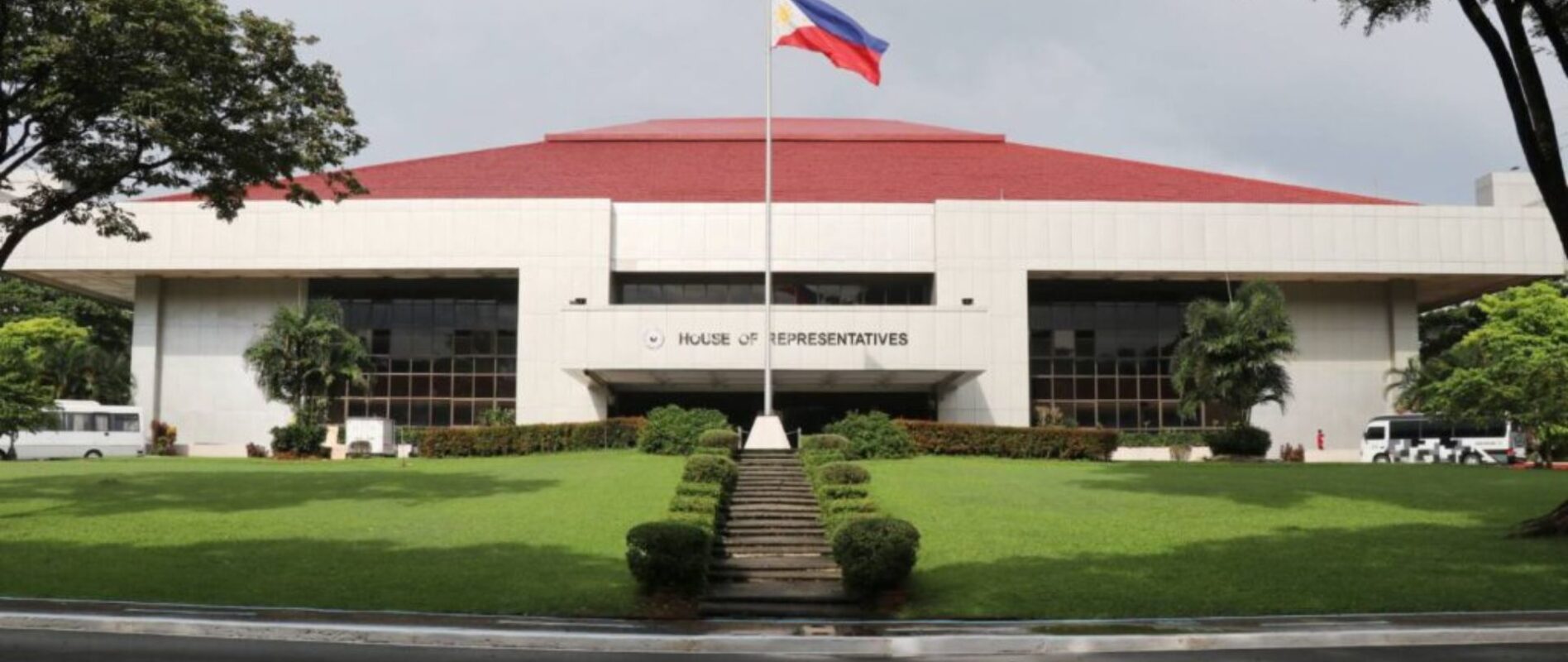
The House of Representatives ratified the bicameral conference committee report on October 6, followed by the Senate on October 8. The measure reconciles House Bill No. 8477 and Senate Bill No. 2410 and will be transmitted to the Office of the President for action.
The proposed law seeks to institutionalize the existing Bagong Pilipinas Merit Scholarship Program as a permanent national scholarship program while ensuring that current beneficiaries will not be displaced.
It establishes two scholarship programs: the Presidential Merit College Scholarship Program, to be administered by the Commission on Higher Education (CHED), and the Presidential Merit Technical Scholarship Program, to be managed by the Technical Education and Skills Development Authority (TESDA).
The need for scholarship assistance remains high. For Academic Year 2026–2027, CHED received 31,390 applications for the existing program, of which 30,101 met the academic requirements. However, only 20,000 slots were available, leaving 10,101 academically qualified applicants without slots.
Subject to the availability of funds, scholarship benefits may cover tuition subsidies, school fees, living and relocation expenses, room and board, transportation, books, internet connectivity, laboratory expenses, internships, licensure examinations, thesis preparation, and research costs.
Additional stipends may also be provided to scholars from geographically disadvantaged areas and marginalized communities.
For the college scholarship, applicants must rank within the top one percent of Grade 11 students in their respective senior high schools, obtain a general weighted average of at least 95 percent, and gain admission to a qualified higher education institution offering a priority degree program identified by CHED.
For the technical scholarship, applicants must have a general weighted average of at least 90 percent and be admitted to or enrolled in a TESDA-recognized priority diploma program. Graduates of the Senior High School Technical-Professional track will receive priority.