SENATOR OPPOSES SOCIAL MEDIA BAN FOR MINORS, PUSHES AGE-BASED LIMITS
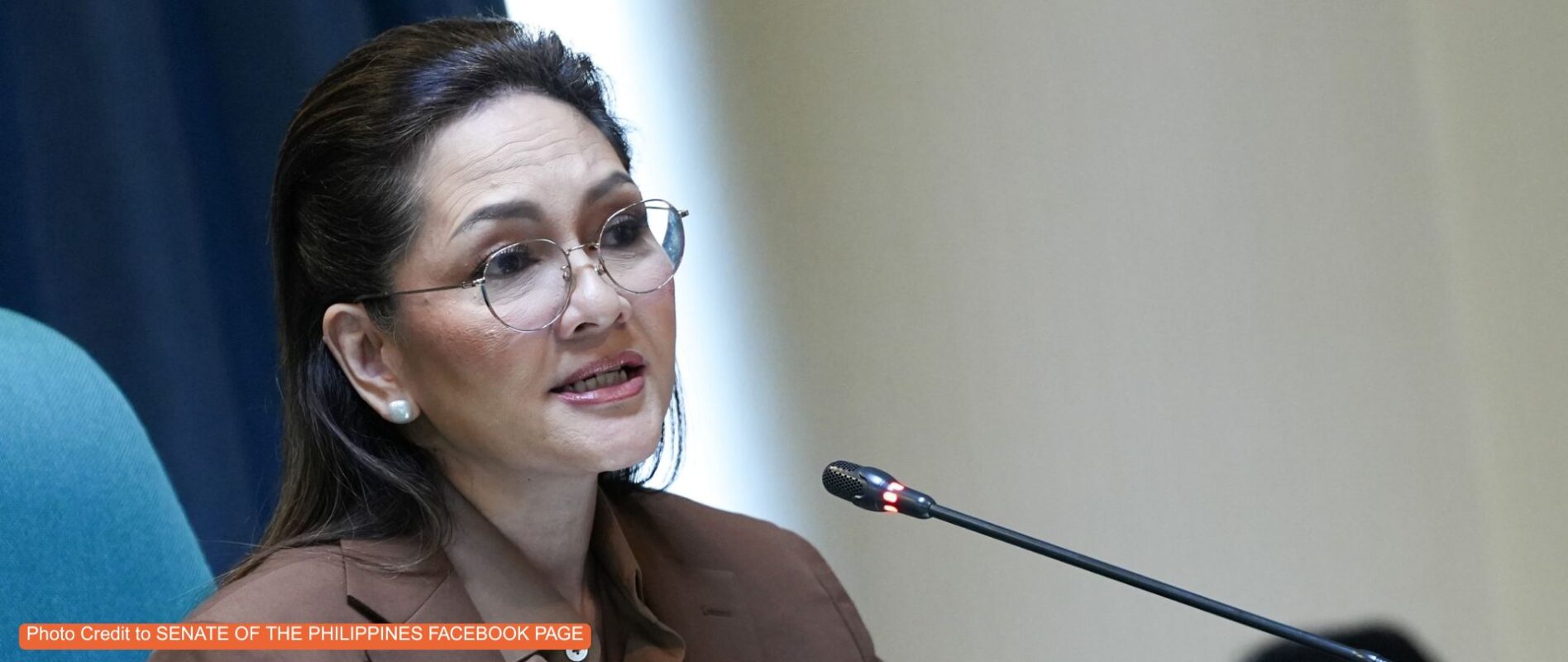
SENATOR Risa Hontiveros has voted against Senate Bill No. 2424, or the proposed Safe Media Access and Responsible Technology for Kids in Digital Spaces (SMART KIDS) Act, warning that an outright ban on social media for minors could deprive young people of livelihood opportunities, support networks, and access to information.
In her explanation of vote, Hontiveros stressed that while children must be protected from online dangers, legislation should prioritize effective safeguards over a blanket prohibition.
She cited several risks children face online, including cyberbullying, harmful content, grooming, online sexual abuse and exploitation, and violent extremism.
However, she also underscored the important role social media plays in the lives of young Filipinos. It serves as a source of income for working students, a means of communication for children of overseas Filipino workers (OFWs), and a platform where survivors of abuse can find support and young people can demand accountability.
Instead of banning social media access for everyone below 18, Hontiveros proposed **age-based restrictions tailored to adolescents’ developmental capacity**.
These measures could include stronger default privacy settings, tighter restrictions on contact between minors and adults, limits on targeted advertising and profiling, parental and educational safeguards, and controls on algorithms and platform designs that encourage excessive social media use.
The senator also suggested setting 15 as a baseline age for social media access, noting that Filipinos can already vote in Sangguniang Kabataan (SK) elections and legally work at that age.
Hontiveros warned that an outright ban could drive teenagers to circumvent restrictions, potentially pushing their online activities beyond the supervision of parents, schools, and authorities.
Citing Australia’s experience with its ban on social media use by children under 16, Hontiveros said the country’s regulator found that eight in 10 teenagers remained on social media even after the law took effect.
She also emphasized the importance of digital literacy, saying young people must learn to identify misinformation, online exploitation, scams, and cyberbullying. They should also understand how algorithms work and how digital platforms collect and use their personal data.
Hontiveros maintained that social media companies and technology firms must also be held accountable for protecting users through safer platform designs and stronger safeguards.
While reiterating her support for stronger online child protection measures, she argued that the government’s goal should be to create a safer digital environment while equipping young people with the knowledge and skills to navigate it responsibly.
“Taking it away from them all of a sudden without providing adequate ways for them to cope with its absence is not the answer to their needs and it is not the answer to our collective fears,” Hontiveros said.