DEPED EXPANDS SCHOOL SAFETY MEASURES TO DIGITAL SPACES
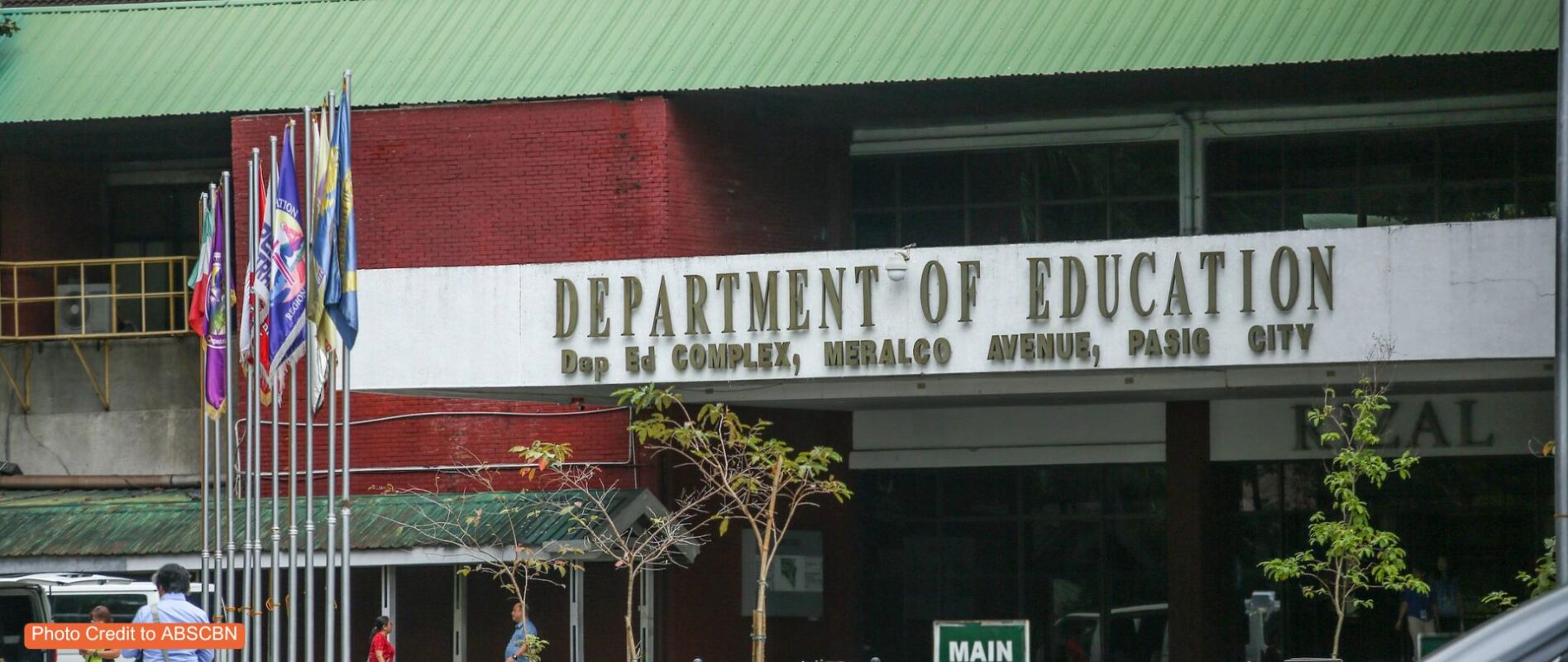
DepEd said the planned School Digital Safety Campaign will address online threats such as cyberbullying, grooming, scams, harassment, exposure to violent content and the misuse of personal information, according to a news release on Monday.
The new DepEd campaign will focus on what children and adults can do before and when problems arise online.
It will provide age-appropriate guidance on safe chatting and online behavior, including responsible social media use, gaming safety, exposure to harmful online content, healthy screen time, and digitaDEPEDl well-being.
Parents will also receive practical guidance on how to talk to their children about their online experiences, identify possible warning signs, set appropriate boundaries, and determine when to seek help.
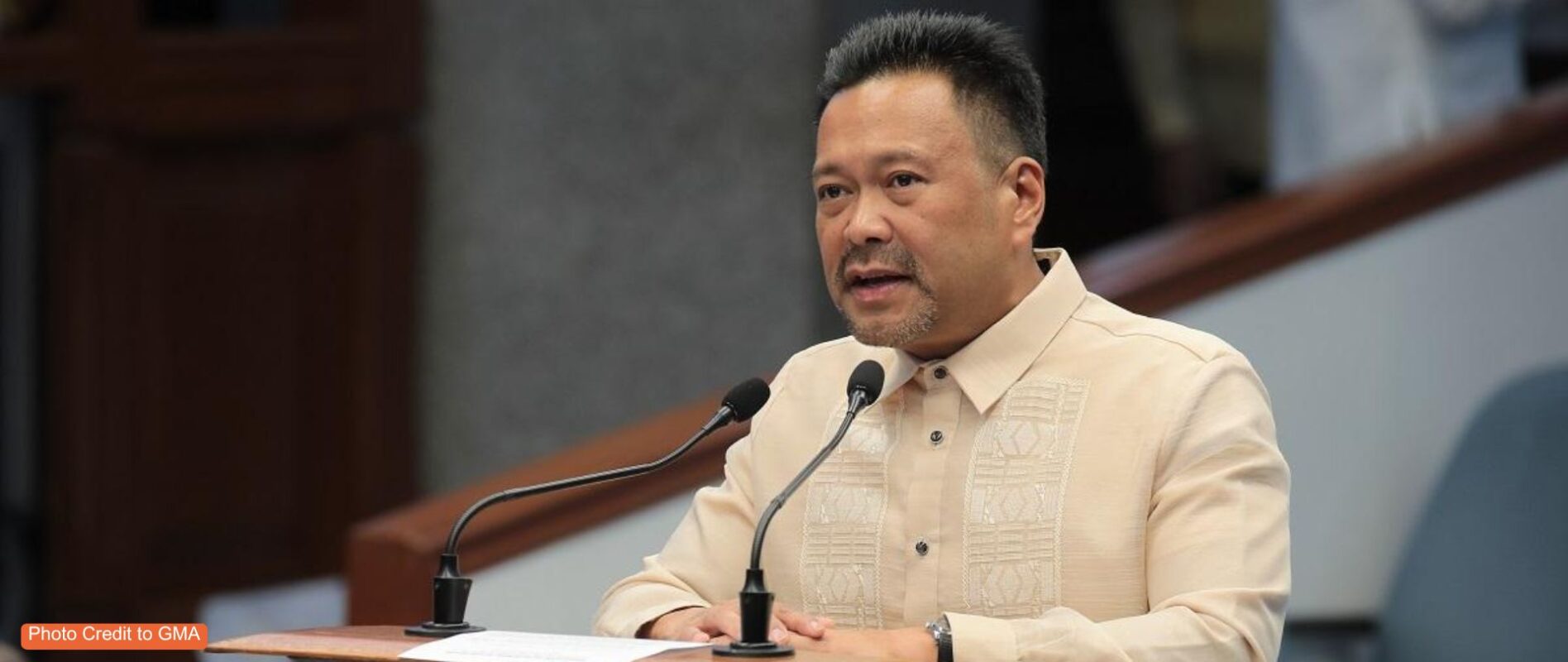
“Keeping our children safe today means understanding that their world extends beyond the classroom and into their phones, games, group chats, and social media,” DepEd Secretary Sonny Angara said.
“We need to give children, parents, and teachers the knowledge and tools to navigate these spaces safely.”
Angara said school safety can no longer focus only on what happens inside school grounds as children now spend more time communicating and interacting online.
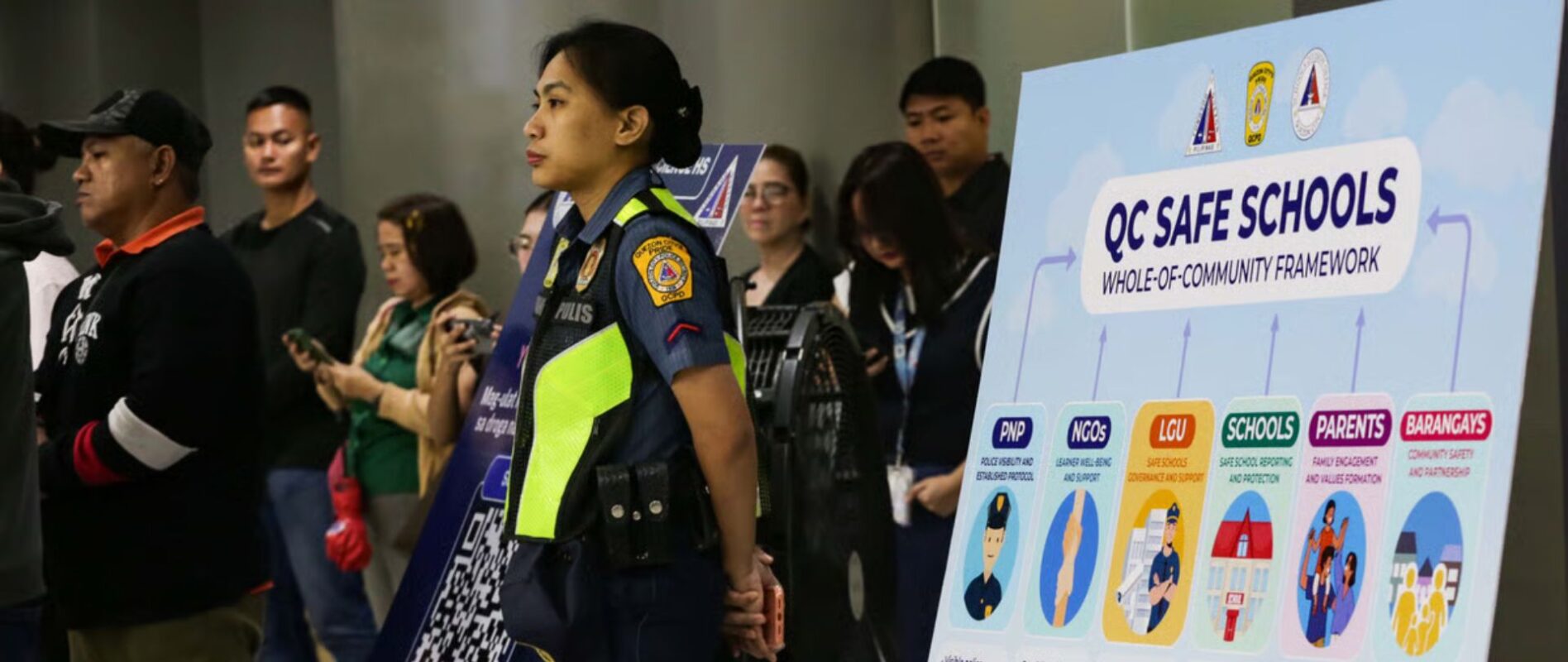
DepEd continues to strengthen school security following shooting incidents inside campuses.
The most recent happened at Banga National High School in South Cotabato on Sept. 18, resulting in the death of three minors, including the shooter who was in Grade 9.
DepEd noted that existing school safety measures include security cameras, metal detectors and perimeter fencing, as well as security guards, school counselors, learner formation officers and child protection committees.
Schools also conduct regular safety and emergency response drills.
Under the new initiative, teachers and school personnel will also be trained to recognize warning signs and follow appropriate reporting and referral procedures.
DepEd said the campaign will build on digital safety lessons already included in the revised K to 10 curriculum, which integrates digital citizenship, netiquette, online safety, and responsible technology use across key subjects, such as Edukasyong Pantahanan at Pangkabuhayan/Technology and Livelihood Education, Values Education, and Physical Education & Health, from Grades 4 through 10.
The department plans to make these lessons more practical by providing parents and teachers with guidance they can use in everyday situations involving children’s online activities.
“Parents do not have to know every app or platform their children use. But they need to keep the lines of communication open. Our children should know that when something online scares them, pressures them or makes them uncomfortable, they can tell a trusted adult and ask for help,” Angara said.
The campaign will be developed by the DepEd, in coordination with the Department of Information and Communications Technology, Philippine National Police, Department of Social Welfare and Development, Cybercrime Investigation and Coordinating Center, Department of the Interior and Local Government, Department of Health (DOH), National Bureau of Investigation, local government leagues and relevant medical societies.
The agencies will work on campaign materials, referral protocols, and training sessions for learners, teachers, and parents.
DepEd will first convene its partner agencies and organizations to finalize the campaign framework and materials.
The program will then be piloted in selected schools before a planned nationwide rollout.
Angara said protecting children online should not be left to schools alone.
“We cannot leave our children to navigate the digital world on their own. Keeping them safe is a shared responsibility of the school, the home, government, and the community,” he said. (PNA)