LAWMAKERS FORM CROSS-PARTY ALLIANCE TO SUSTAIN EDUCATION REFORMS
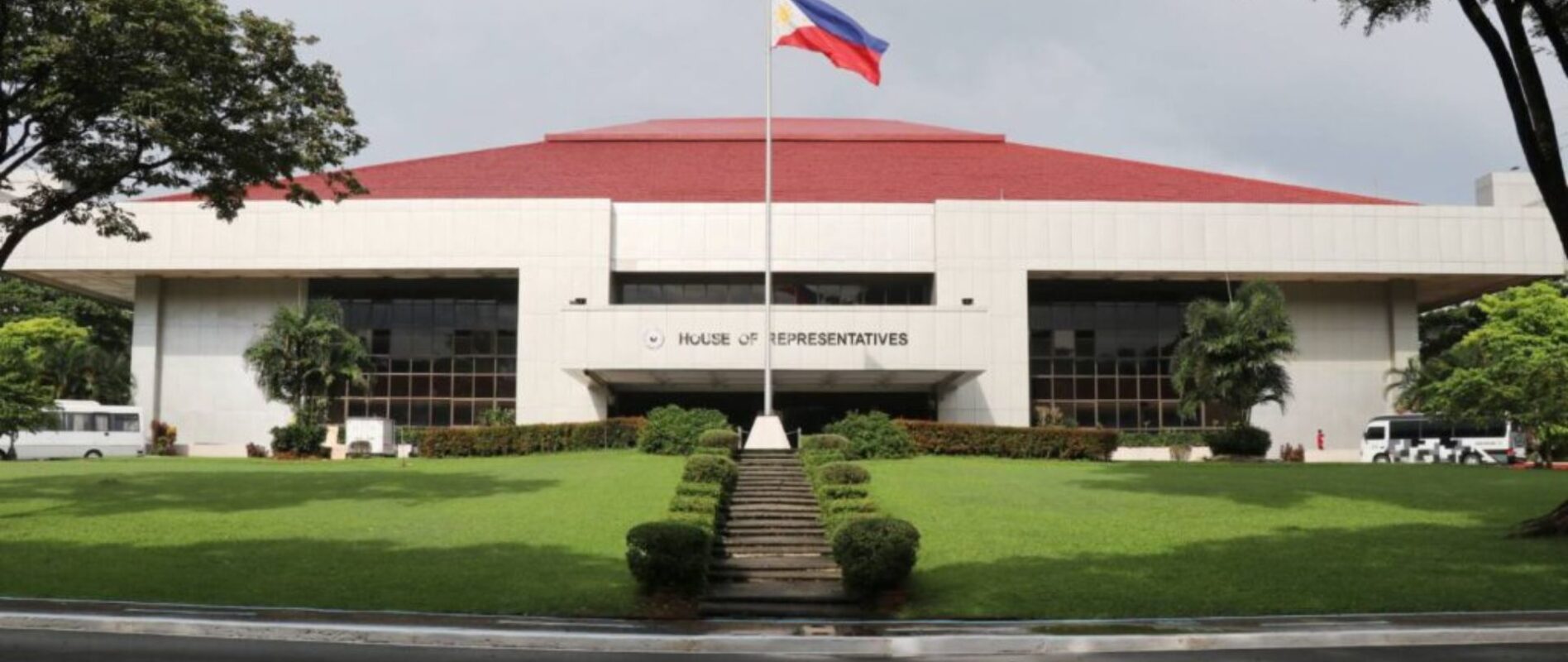
MORE than 30 members of the House of Representatives from different political parties have formed the Congressional Alliance for Philippine Education (CAPE), a coalition aimed at ensuring that key education reforms continue beyond changes in political leadership and administrations.
The alliance was launched during the Congressional Forum organized by the Second Congressional Commission on Education (EDCOM 2) at the University of the Philippines Bonifacio Global City.
By signing a Statement of Commitment, participating lawmakers pledged to work together in advancing priority education measures, protecting funding for critical education programs, strengthening congressional oversight, and maintaining regular engagement with schools, local government units, researchers, and civil society organizations.
According to EDCOM 2, CAPE seeks to unite legislators from different regions and political affiliations behind a common goal of improving education outcomes for Filipino learners and sustaining reforms over the next decade.
The alliance will serve as the legislative arm of the broader Philippine Education Reform Movement (PERM), a multi-sector initiative that aims to carry forward the education reform agenda outlined in EDCOM 2’s Final Report and the National Education Plan 2026–2035.
Through PERM, lawmakers are expected to work closely with universities, educators, civil society organizations, local governments, and development partners to ensure that education policies remain evidence-based, adequately funded, and responsive to the needs of schools and communities.
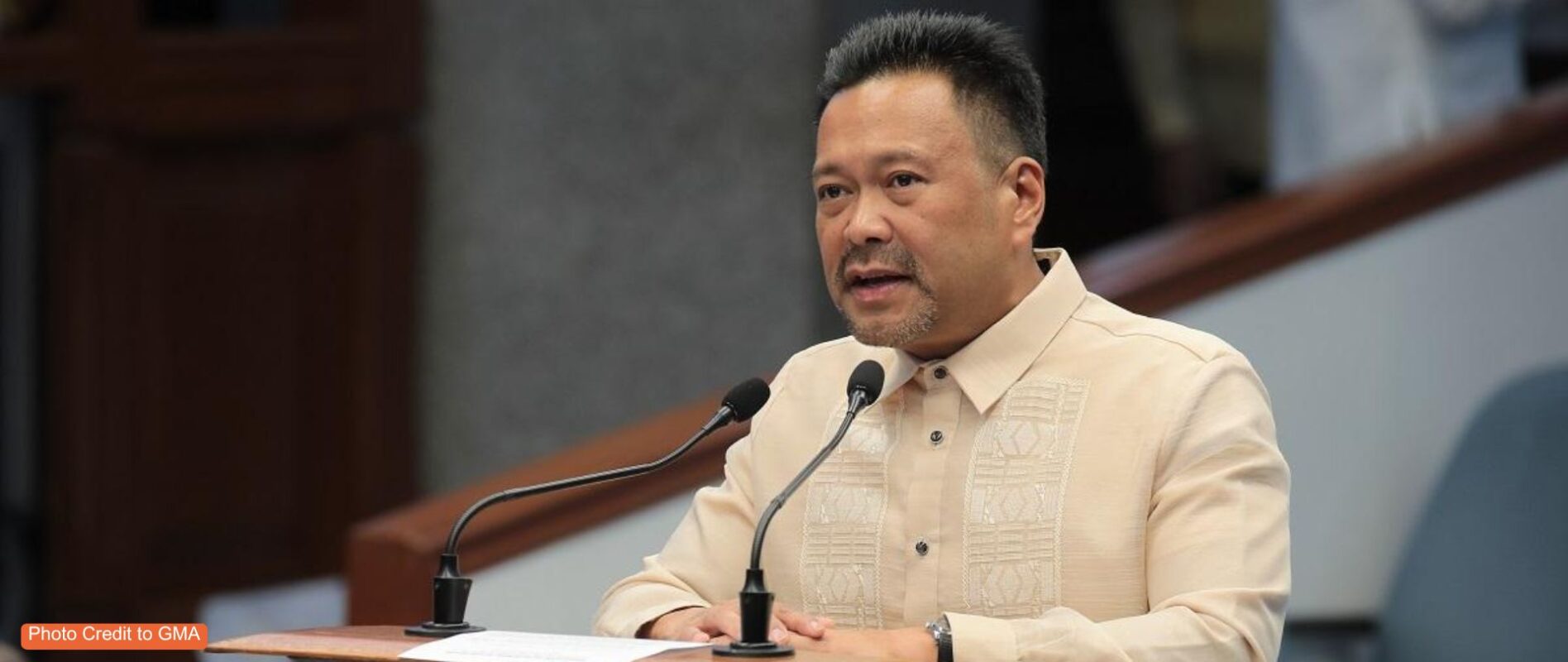
EDCOM 2 Co-Chairperson and House Committee on Higher and Technical Education Chairperson Rep. Jude Acidre said the coalition addresses one of the country’s biggest challenges in education reform—maintaining long-term momentum despite changing political leadership.
Acidre noted that a child entering kindergarten this year will not complete senior high school until 2039, passing through several administrations along the way. He said Congress typically plans within three-year legislative terms, creating a structural challenge for implementing long-term reforms. He added that the country’s education agenda should not depend solely on individual champions whose terms eventually end.
EDCOM 2 Co-Chairperson Rep. Roman Romulo said CAPE provides lawmakers with a stronger platform to pursue education reforms guided by evidence from researchers and educational institutions while working closely with national agencies and local governments to ensure legislation translates into effective policies that benefit Filipino learners.
Under the alliance, members will collaborate on legislation, budget advocacy, and congressional oversight while participating in policy briefings, school visits, and consultations with teachers, school leaders, parents, students, researchers, and local officials.
These engagements are intended to ensure that education laws and funding decisions are grounded in both research and on-the-ground realities.
As part of the initiative, EDCOM 2 also announced the creation of the Congressional Education Policy Academy (CEPA) in partnership with the University of the Philippines Center for Integrative and Development Studies.
The academy will provide professional development programs for congressional staff from both the House of Representatives and the Senate, strengthening Congress’ capacity to craft evidence-based education legislation and enhance policy oversight.