SENATOR PUSHES INFLATION-PROOF ALLOWANCES FOR PUBLIC SCHOOL, SUC EDUCATORS AND STAFF
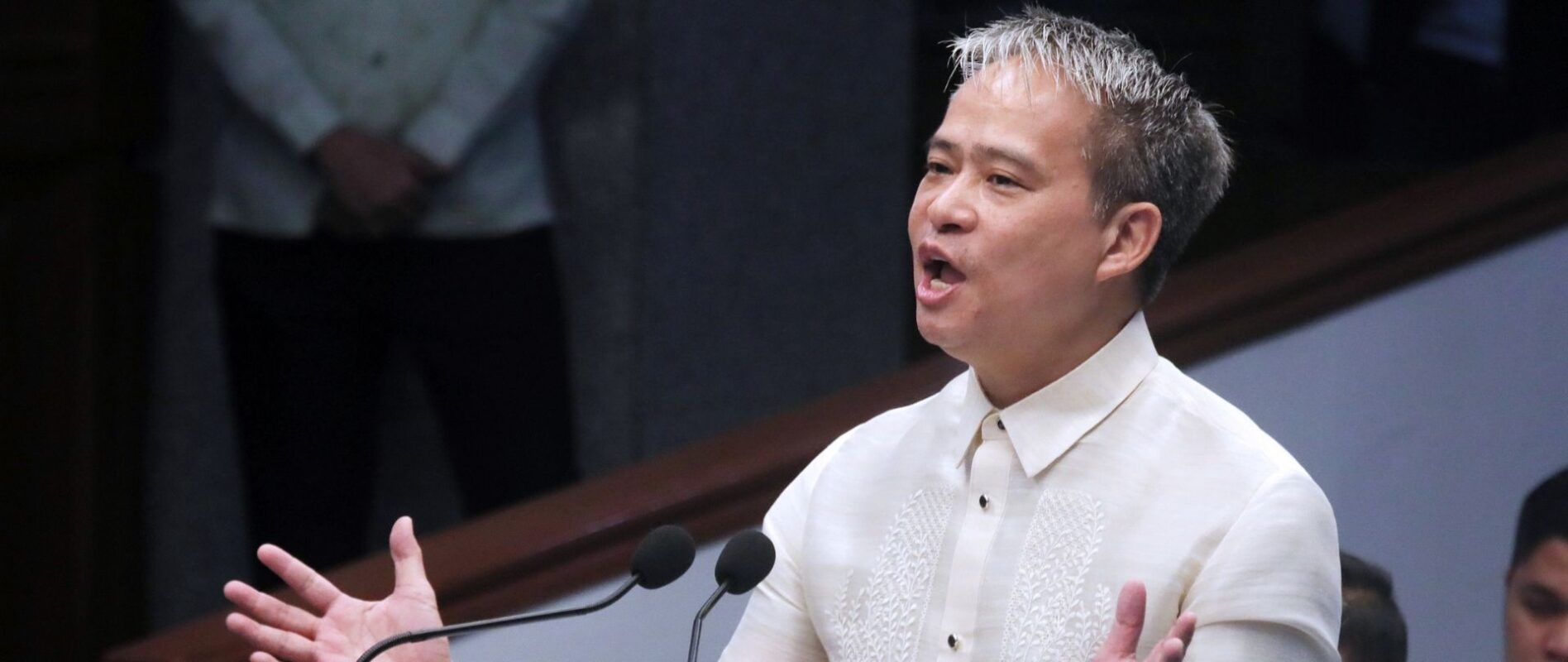
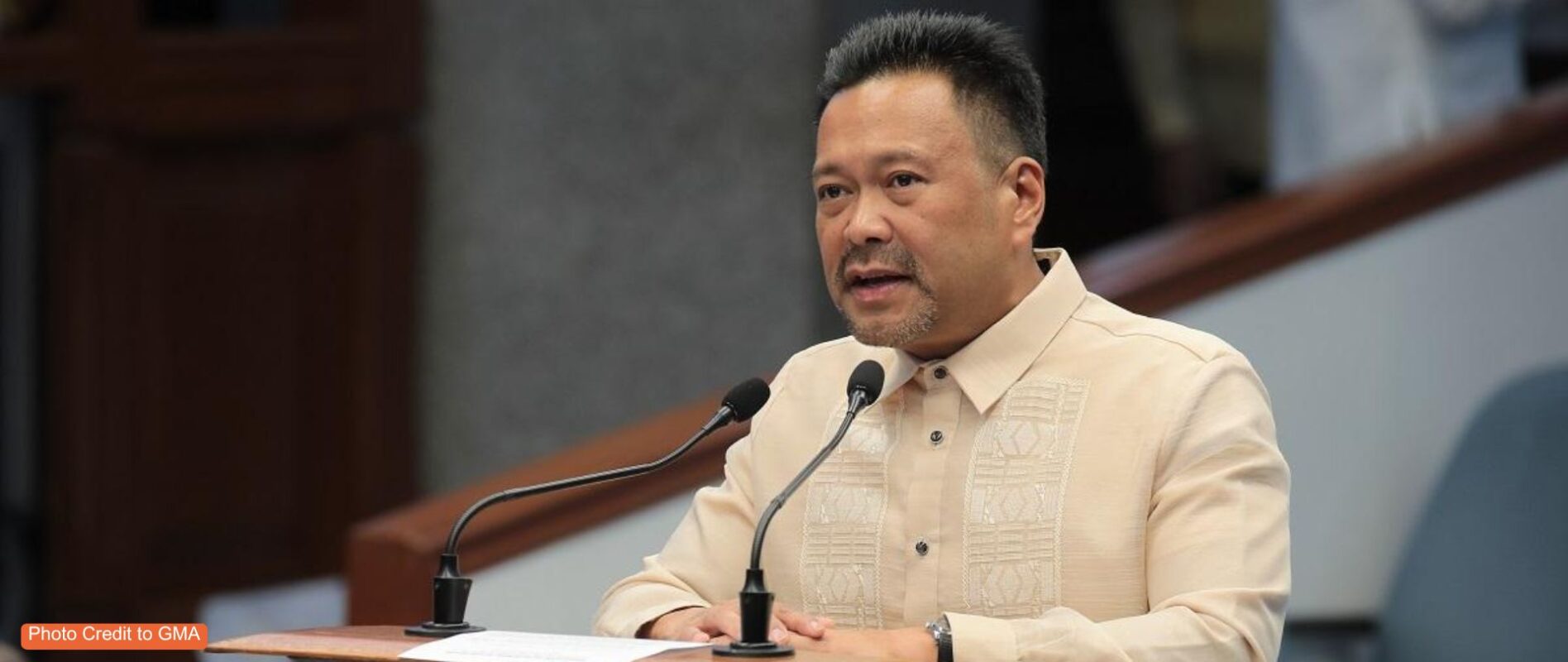
SENATOR Joel Villanueva is pushing measures to institutionalize inflation-adjusted allowances for teaching and non-teaching personnel in the public education sector, ensuring that their benefits retain value and are protected from budget fluctuations.
Villanueva said Senate Bill Nos. 1605 and 1606, which he filed last year, come at a critical time as rising fuel and commodity prices continue to erode the real value of allowances received by education workers.
“These allowances are not just financial assistance but part of a broader effort to affirm the State’s constitutional mandate to prioritize education—not only through facilities or access, but by recognizing and supporting the people who deliver it,” Villanueva said.
Under the proposed measures, benefit amounts will be adjusted every three years to account for inflation, ensuring that recipients do not lose purchasing power over time.
Senate Bill No. 1606 seeks to provide a combined quarterly benefit of ₱5,000—or ₱20,000 annually—for all teaching and non-teaching personnel in public basic education, including those in the Alternative Learning System. This includes ₱3,000 for grocery and transportation support and ₱2,000 for medical-related expenses every quarter.
Villanueva also acknowledged the Department of Education’s existing quarterly medical allowance under Department Order No. 16, s. 2025, but stressed that only a law can safeguard such benefits from being reduced during periods of budget constraints.
“The DepEd, through Secretary Sonny Angara, has been advocating tirelessly for basic education personnel and working with available resources. Through this measure, we aim to strengthen and expand these ongoing reforms,” he added.
Meanwhile, Senate Bill No. 1605 extends the same ₱5,000 quarterly or ₱20,000 annual benefit package to teaching and non-teaching personnel in state universities and colleges (SUCs) and state-run technical-vocational institutions.
Both bills also provide that the additional allowances shall be tax-exempt, unless they exceed thresholds set under the National Internal Revenue Code.
“While other laws rightly focus on learners, these measures are a deliberate act of solidarity with educators and school personnel—the very people who make learning possible,” Villanueva said.