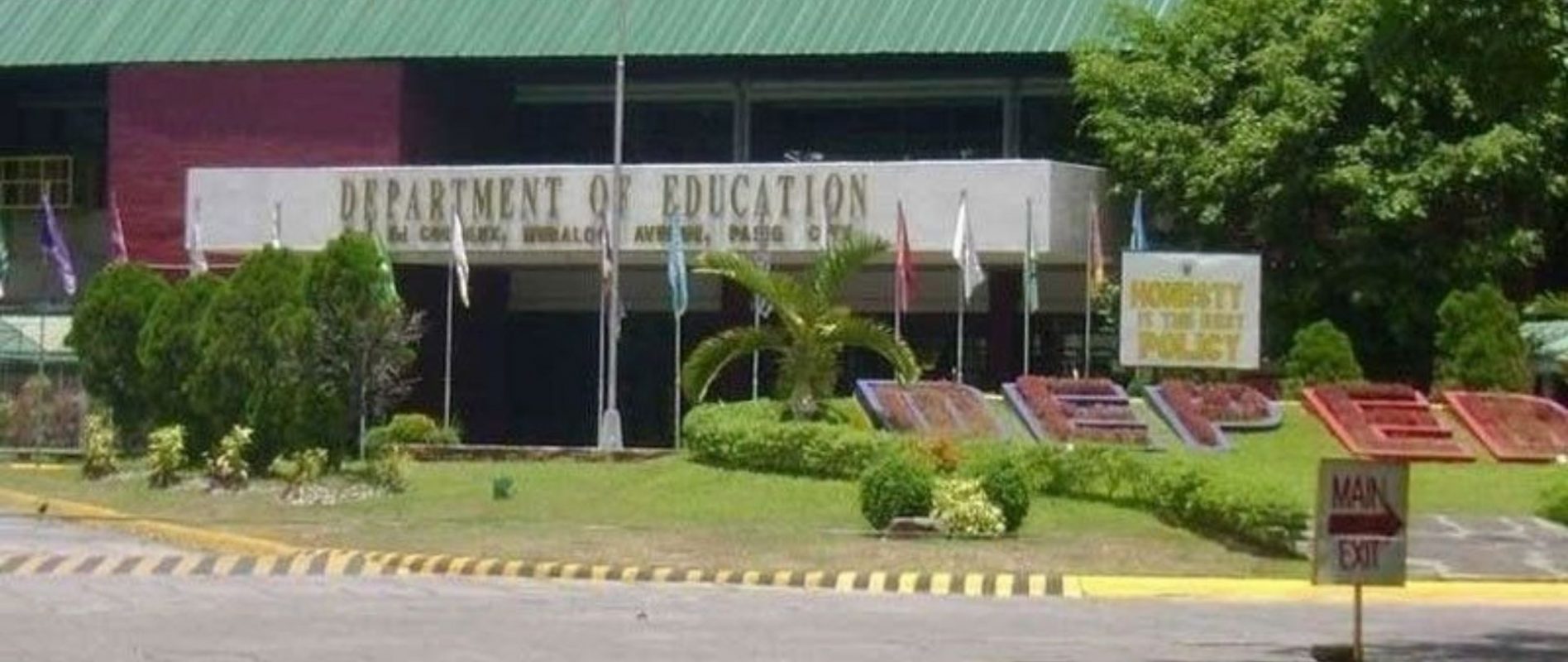
SP SEEKS STRONGER SAFEGUARDS AGAINST VIOLENT ONLINE ECOSYSTEM AFTER TACLOBAN SHOOTING
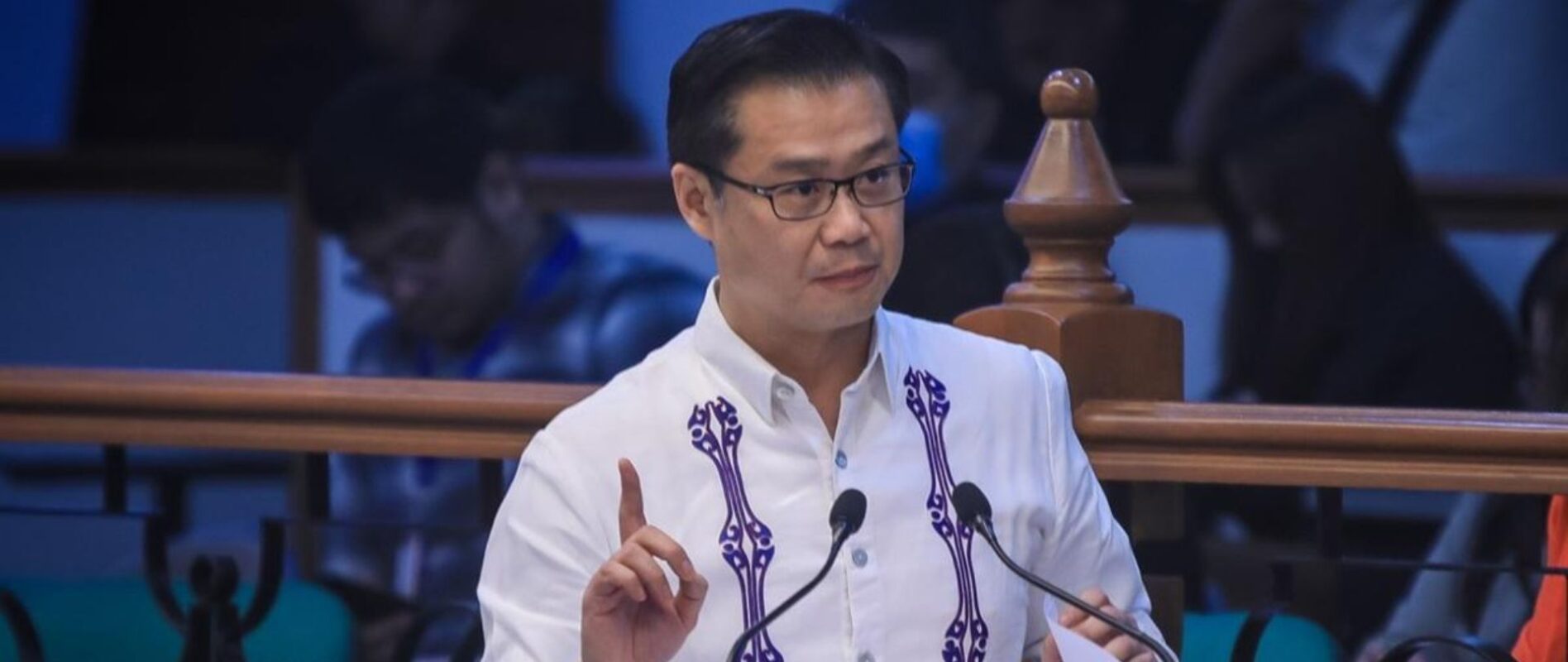
SENATE President Sherwin Gatchalian is pushing for stronger government interventions to protect Filipino children from what he described as a “Violent Online Ecosystem,” warning that exposure to harmful online gaming platforms and digital content could adversely affect the behavior and mental health of young people.
Speaking during a public hearing of the Senate Committee on Women, Children, Family Relations and Gender Equality, Gatchalian said that while technology has brought many benefits, including helping students learn and build friendships, its potential risks must also be addressed.
The Senate President explained that the Violent Online Ecosystem refers to an interconnected network of digital platforms and virtual spaces where users encourage, coordinate, and promote acts of violence.
According to Gatchalian, online games should not be viewed in isolation but as part of a broader digital environment that can influence a child’s behavior.
“In my research, I came across the concept of the Violent Online Ecosystem. This means that we should not look at online games in isolation, but rather at the entire range of online influences that can affect a child,” he said.
Gatchalian also cited cyberbullying as a major concern, saying that when combined with exposure to violent video games and other harmful online content, it could contribute to disturbing patterns of thinking and behavior among children.
“For example, bullying is already a serious problem in our country. We have even been referred to as the bullying capital of the world. When bullying is combined with exposure to violent video games, it can create deeply troubling patterns of thinking and behavior in a child,” he added.
The hearing was convened following the recent shooting incident in Tacloban City, where two suspects were reportedly influenced by a local Nihilistic Violent Extremism (NVE) network before carrying out an attack that killed three high school students and injured 20 others.
Gatchalian underscored the need for lawmakers to examine the interconnected nature of online influences and craft policies and interventions that will better protect Filipino children from online radicalization and other digital threats