SOLON SEEKS TO SECURE CHILDREN’S EARNINGS, PRIVACY IN ONLINE CONTENT
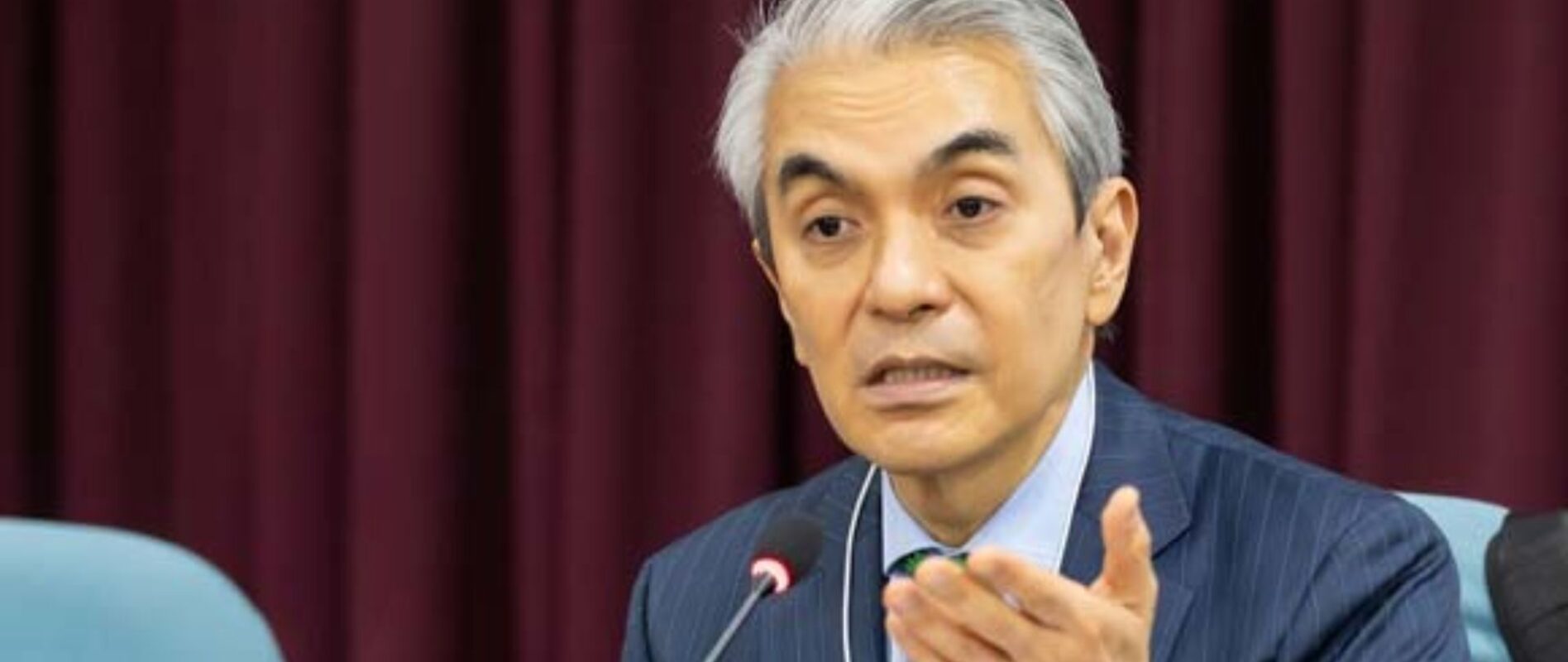
NAVOTAS City Rep. Tobias Tiangco has filed a bill seeking to protect children featured in monetized online content by safeguarding their earnings, privacy, education, health, and right to have exploitative content removed.
Under House Bill No. 10010, or the proposed *Child Influence Earnings and Privacy Protection Act*, Tiangco said children are growing up in a digital environment where moments from their daily lives can be recorded, uploaded, shared, and monetized within minutes.
He noted that the issue is particularly relevant in the Philippines, where internet and social media use have become deeply embedded in everyday life.
The rise of family vlogs, livestream selling, short-form videos, sponsored posts, and kidfluencer content has created new income opportunities for families. However, Tiangco said this trend has also exposed a legal gap in ensuring that children receive a fair share of the earnings generated by their participation in online content.
When a child becomes the primary reason a video attracts views, sponsorships, advertisements, virtual gifts, or platform revenue, there is no clear guarantee that the child will benefit financially, he noted.
In some cases, Tiangco said, children effectively perform work without the protections typically associated with child labor, entertainment work, trust accounts, working-hour restrictions, and independent oversight.
The proposed measure also seeks to address privacy and safety risks faced by children online.
Tiangco cited a 2025 UNICEF Philippines U-Report poll in which 85.56 percent of child and youth respondents reported encountering unsafe content or behavior online, while only 2.99 percent said they had reported such incidents to authorities or hotlines.
The bill aims to ensure that children are not treated merely as online content, branding materials, or sources of family income.
Under the proposal, when a child’s name, image, likeness, voice, daily life, or personal story is used in monetized online content, a fair portion of the earnings must be preserved for the child in a protected account.
The measure also seeks to require transparent accounting of earnings, establish reasonable limits on content production, protect children’s schooling and rest periods, and prevent the disclosure of sensitive personal information.
Through the proposed legislation, Tiangco aims to strengthen protections for Filipino children in the growing digital economy while ensuring that their rights and welfare are not sacrificed for online popularity or financial gain.