SENATE, HOUSE RATIFY NATIONAL MERIT SCHOLARSHIP PROGRAM

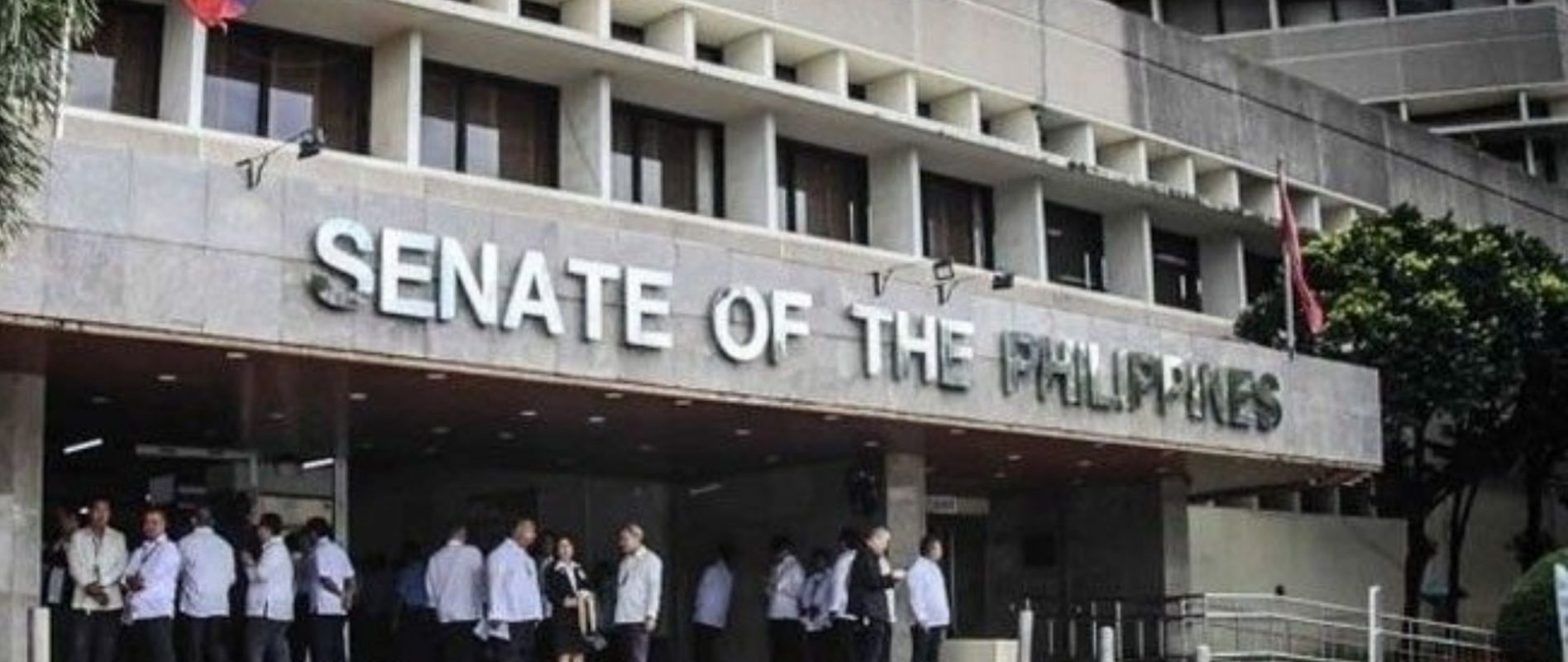
THE SENATE and the House of Representatives have ratified the Bicameral Conference Committee report on the Presidential Merit Scholarship Programs, a priority measure under the Legislative-Executive Development Advisory Council (LEDAC) that seeks to institutionalize a national scholarship program for academically outstanding and technically skilled Filipino senior high school graduates.
The measure establishes two scholarship programs: the Presidential Merit College Scholarship Program (PMCSP), to be administered by the Commission on Higher Education (CHED), and the Presidential Merit Technical Scholarship Program (PMTSP), to be administered by the Technical Education and Skills Development Authority (TESDA).
It also integrates the existing Bagong Pilipinas Merit Scholarship Program (BPMSP) into the new system while ensuring that current scholars will not lose or be disadvantaged in their existing benefits.
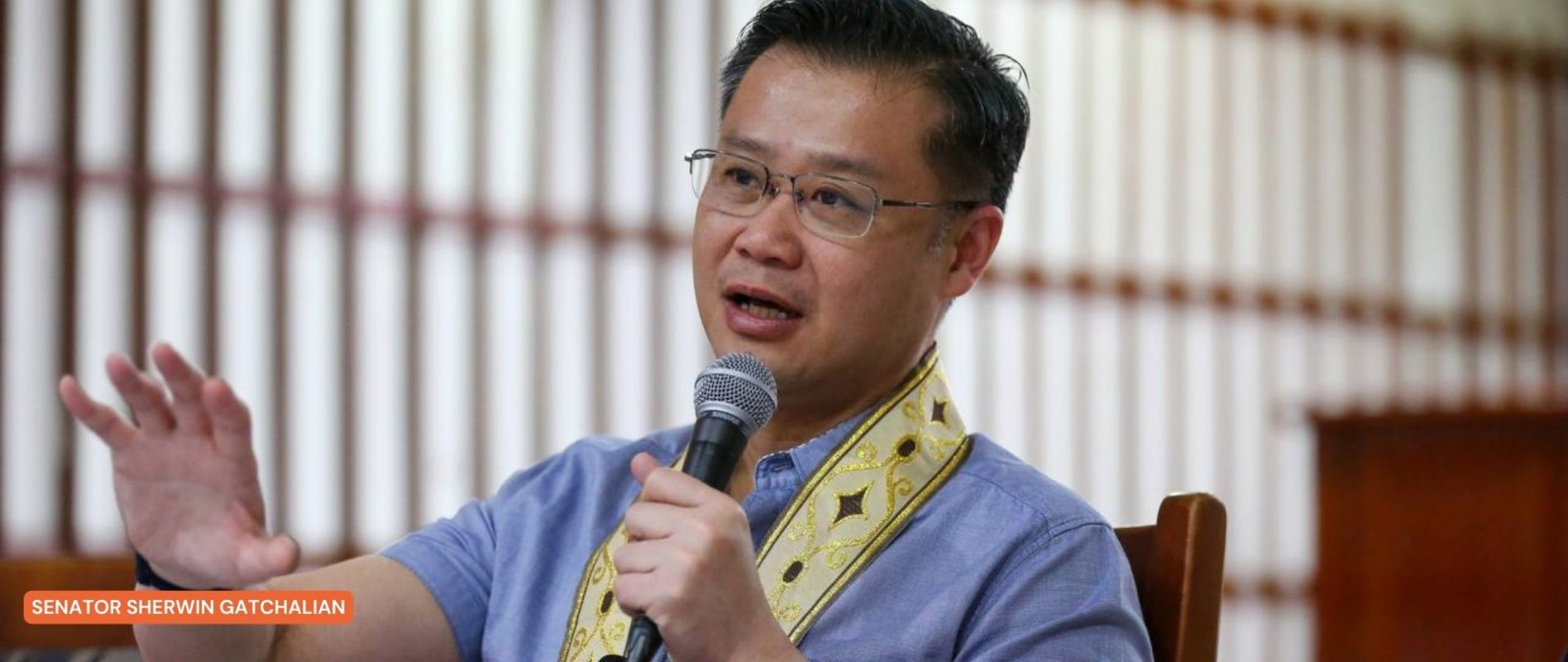
EDCOM 2 Co-Chairperson Sen. Joel Villanueva said the measure would help ensure that financial limitations do not prevent deserving students from pursuing higher education and technical training.
The legislation comes amid strong demand for merit-based scholarships.
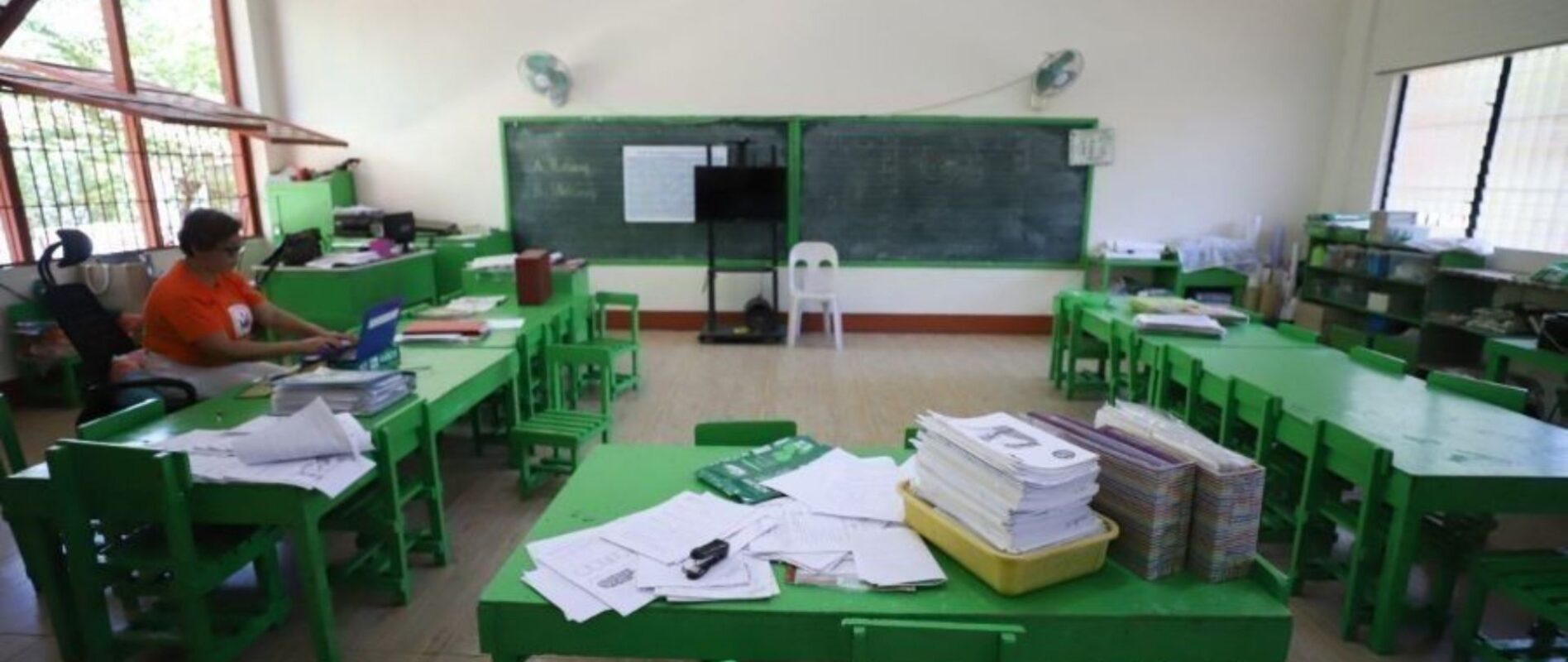
For academic year 2026–2027, CHED received 31,390 BPMSP applications, of which 30,101 met the academic eligibility requirements. However, only 20,000 scholarship slots were available, leaving 10,101 eligible applicants without scholarships.
Under the measure, applicants to the PMCSP must rank within the top one percent of Grade 11 students in their school and have a general weighted average (GWA) of at least 95 percent.
PMTSP applicants must have a GWA of at least 90 percent, among other requirements.
Applicants must also meet a family income ceiling of P2 million, subject to periodic review and adjustment.
Preference will be given to equally qualified applicants from underrepresented areas and socioeconomically disadvantaged households.
The scholarship programs will prioritize fields considered critical to the country’s workforce and development needs, including science, technology, engineering and mathematics, information technology, artificial intelligence, computing, advanced manufacturing, data science, agriculture, fisheries, forestry, environmental science, health and allied health sciences, teacher education, research and innovation.
Scholarship benefits will cover reasonable education-related expenses, including tuition and school fees, cost of living, room and board, transportation when applicable, books, connectivity, laboratory expenses and other educational costs.
CHED and TESDA will periodically adjust the benefits in coordination with the Department of Budget and Management based on inflation and prevailing education costs. Additional stipends may also be provided to scholars from geographically disadvantaged areas and marginalized communities.
EDCOM 2 Co-Chairperson Rep. Jude Acidre said the program would help deserving students complete demanding courses without being forced to stop because of financial difficulties, while also developing professionals and skilled workers needed by the country.
The measure also includes the “Galing Para sa Bayan” service component, requiring scholars to render service in the Philippines equivalent to the number of years they received scholarship assistance, beginning within one year after graduation.
Service may be rendered through government or private-sector employment aligned with national development priorities, as well as through research, teaching, healthcare, agriculture, science and technology, innovation, environmental sustainability and community development.
CHED and TESDA will monitor scholars and graduates, including their academic performance, program completion, employment outcomes and compliance with the service requirement.
The agencies will also annually publish aggregated data on scholarship applicants, scholars, graduates, fields of study, regional distribution, graduation and retention rates, and employment outcomes.
Existing BPMSP scholars will continue receiving their benefits under the terms previously granted to them, while pending BPMSP applications will be processed under the new law and its implementing rules.