LAWMAKER URGES DEPED TO SPEND SMARTER, IMPROVE LEARNING OUTCOMES
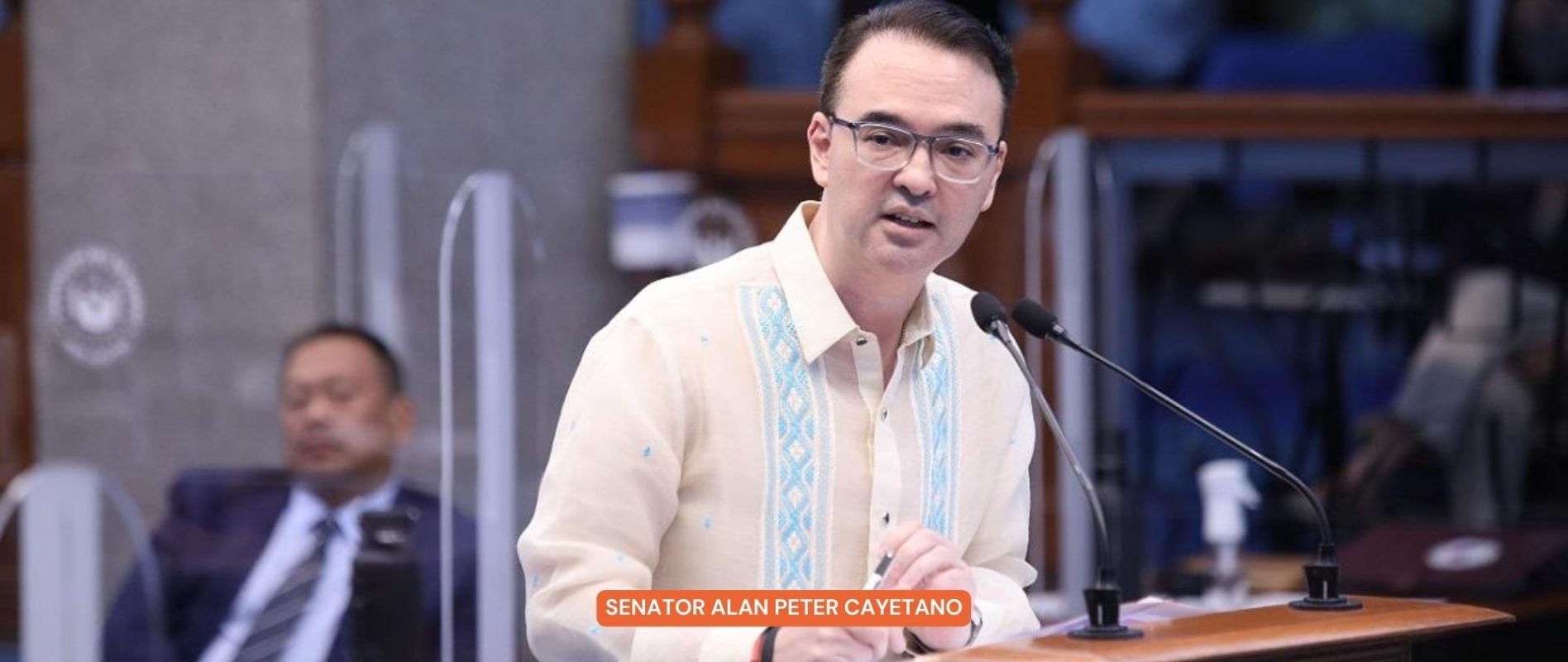
SENATE Minority Leader Alan Peter Cayetano has challenged the Department of Education (DepEd) to pursue bold reforms to improve learning outcomes in 2027, even as the proposed education budget faces cuts.
Cayetano stressed the need for a significant shift in the country’s education system, warning that continuing existing approaches that have failed to deliver the desired results would not address the sector’s persistent challenges.
“If we keep doing and expecting different results it won’t happen, but sometimes you have to have a radical change. There has to be this one thing that can be done in 2027,” Cayetano said.
The senator noted that the education budget had declined from P961 billion under the 2026 General Appropriations Act (GAA) to P916 billion under the 2027 National Expenditure Program (NEP) and P910 billion under the proposed General Appropriations Bill (GAB).
While urging lawmakers to explore additional funding, Cayetano called on DepEd to maximize its available resources through more strategic, efficient, and targeted spending.
He emphasized that increasing the education budget must go hand in hand with identifying and implementing reforms that could significantly improve the quality of education.
“How do we spend more but spend smarter? Let me leave that challenge to all of us. Hopefully we can increase your budget, but even given that limitation, how do we drastically improve our education system?” Cayetano said.
Among the proposals he raised were reconsidering the K to 12 program, providing funding packages to local government units (LGUs) for classroom construction in overcrowded areas, and expanding the education cluster to include sports, culture, and the arts.
Cayetano also pointed to disparities in resources between the Philippine Science High School system and regular public schools, as well as the high dropout and stunting rates in the Bangsamoro Autonomous Region in Muslim Mindanao (BARMM).
He stressed the urgency of implementing concrete reforms to address long-standing problems in the education sector, particularly with less than two years remaining in the current administration.
“As we end this administration, [let’s] throw everything into education. Hope [that] the momentum is there and hope whoever takes over in the next administration does even a better job,” he said.
Cayetano emphasized that the ultimate challenge is to ensure that education investments translate into measurable improvements in student performance and learning outcomes, even amid limited government resources.