LAWMAKER PROMOTES LAW ALLOWING WORKERS TO EARN COLLEGE DEGREES THROUGH EXPERIENCE-BASED LEARNING
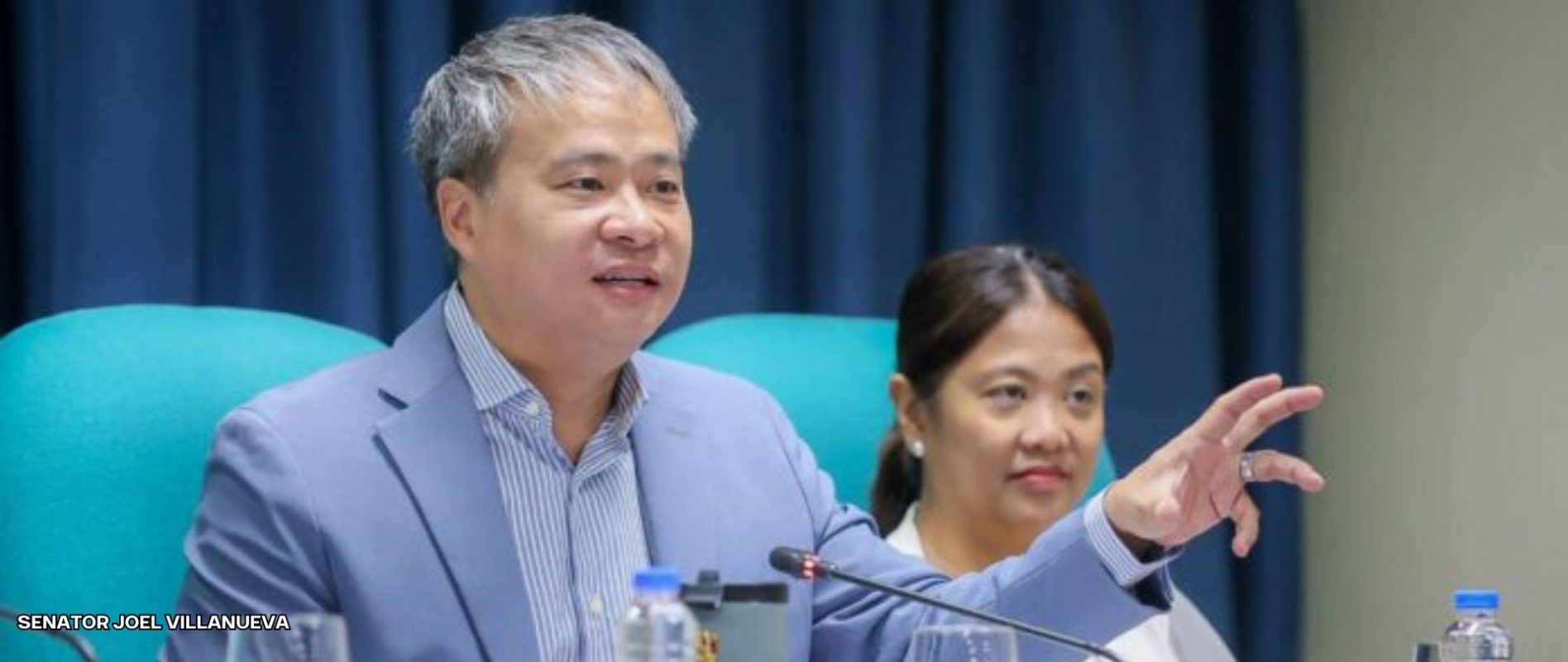
SENATOR Joel Villanueva is encouraging working professionals and overseas Filipino workers (OFWs) to take advantage of a law that allows them to earn a college degree by having their work experience, skills, and certifications recognized as part of higher education requirements.
In a recent post, Villanueva highlighted the benefits of Republic Act No. 12124, or the Expanded Tertiary Education Equivalency and Accreditation Program (ETEEAP), a measure he helped champion in the Senate.
Under the law, individuals who have spent years in the workforce but were unable to complete a college degree no longer need to start from scratch. Instead, their professional experience, acquired competencies, and certifications—including those issued by the Technical Education and Skills Development Authority (TESDA)—may be assessed and credited toward a college degree program.
“Through the Expanded Tertiary Education Equivalency and Accreditation Program, work experience, skills, and TESDA certifications can be recognized and assessed as part of earning a college degree,” Villanueva said.
The senator said the measure seeks to make higher education more accessible to Filipinos who have gained valuable knowledge and expertise outside traditional classroom settings.
According to Villanueva, the law is especially beneficial for working professionals and OFWs who wish to complete their college education while continuing their careers. He noted that earning a college diploma can lead to better employment opportunities, career advancement, and higher earning potential.
The Expanded ETEEAP provides a more flexible pathway to higher education by recognizing prior learning and professional achievements, enabling qualified individuals to obtain academic credentials without repeating competencies they have already mastered through years of work experience.
Villanueva said the program reflects the government’s commitment to lifelong learning and workforce development by providing formal recognition of workers’ skills and helping enhance their competitiveness in the labor market.
The senator expressed hope that more workers and OFWs will take advantage of the program to achieve their educational goals and gain access to broader opportunities for personal and professional growth.