HOUSE OKAYS FREE DIGITAL TEXTBOOKS, CAMPUS-WIDE WIFI FOR HIGHER ED STUDENTS
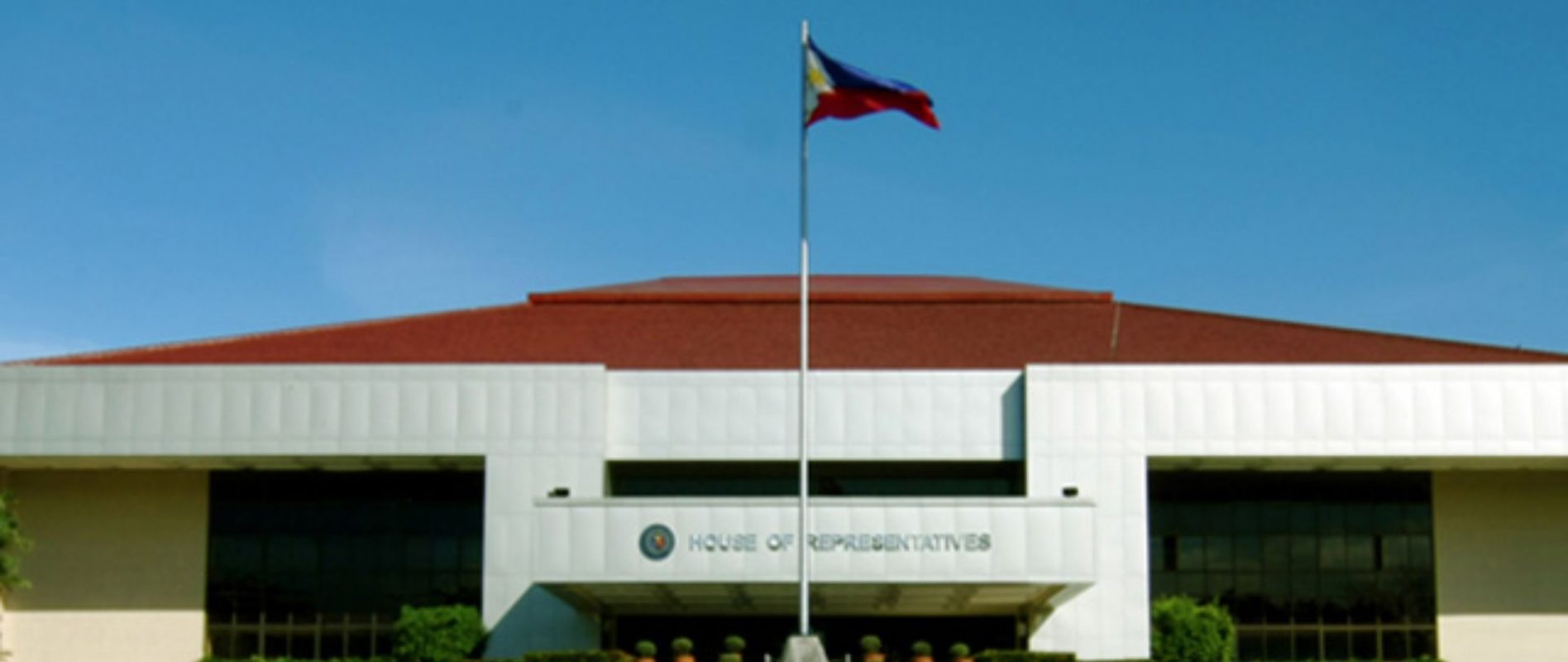
THE HOUSE of Representatives has approved on third and final reading a measure seeking to provide students and faculty members of public and private higher education institutions with free access to digital textbooks, academic resources, and high-speed, campus-wide Wi-Fi.
House Bill No. 9532, or the proposed “Universal Access to Digital Academic Learning Resources Act,” was approved with 202 affirmative votes, zero negative votes, and zero abstentions.
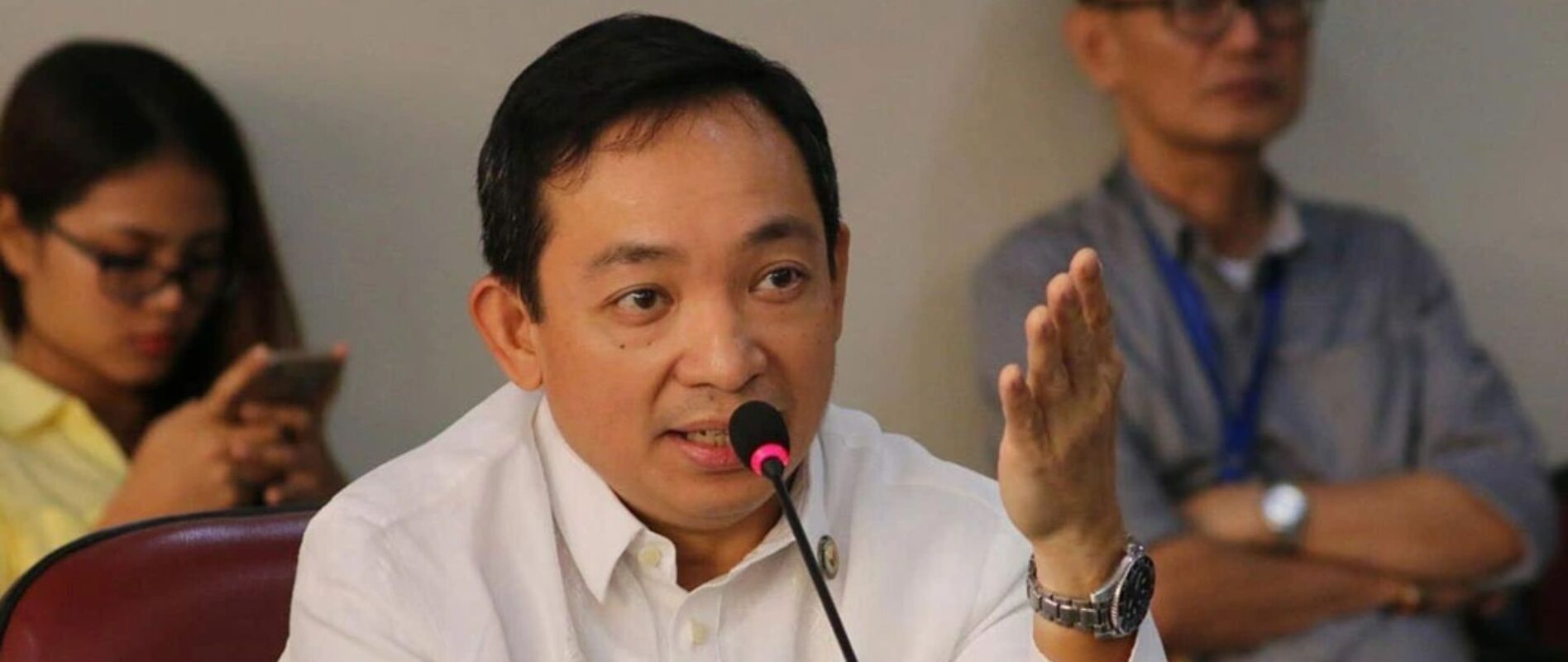
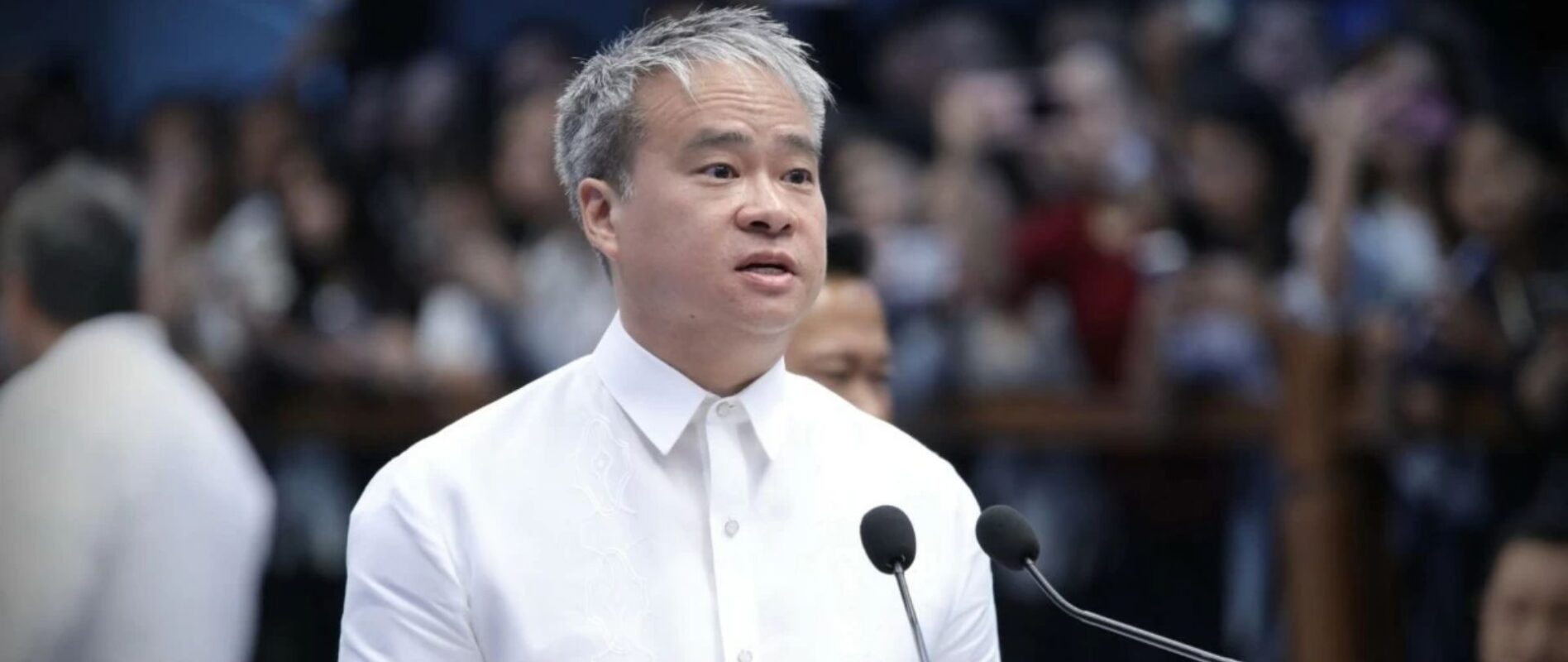
House Speaker Faustino “Bojie” Dy III said the measure aims to address disparities in access to learning materials and reliable internet connectivity, which continue to disadvantage financially struggling students.
“Today, a student who cannot afford textbooks or reliable internet access is already starting at a disadvantage,” Dy said.
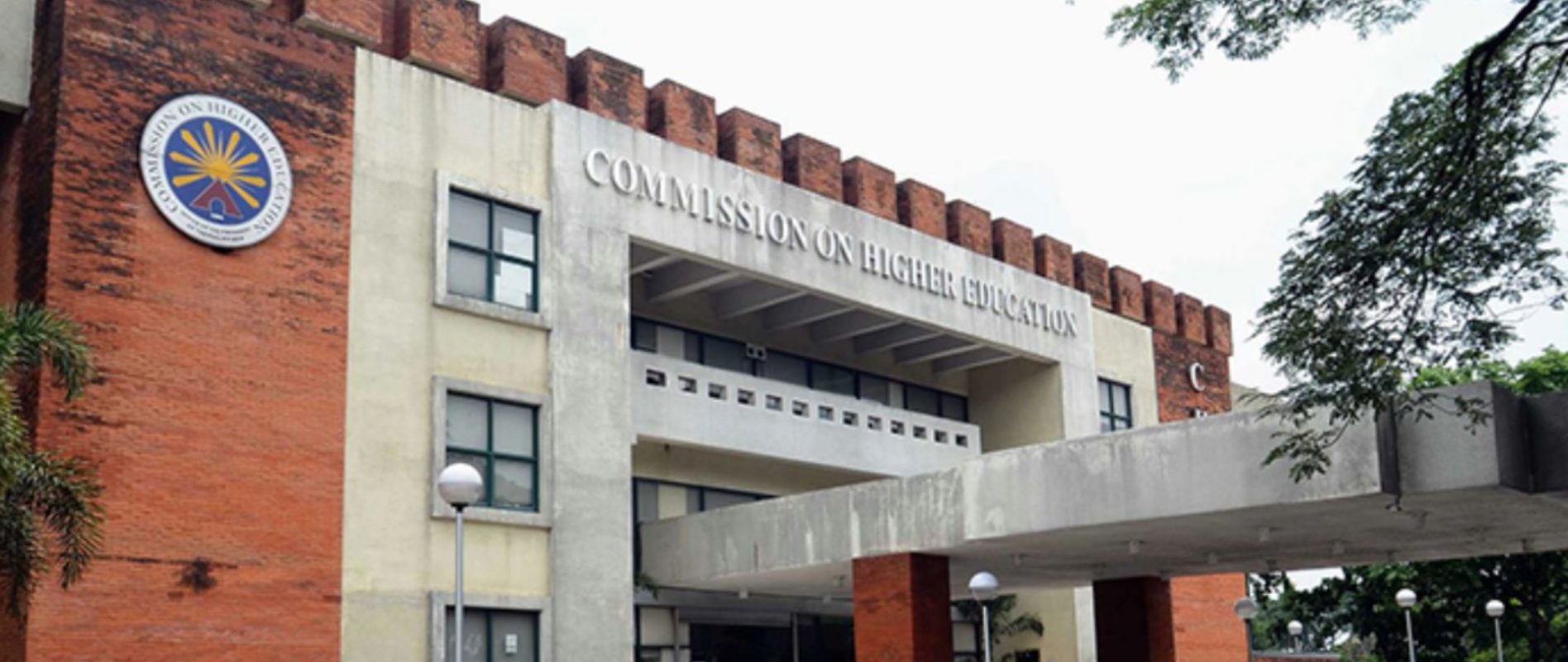
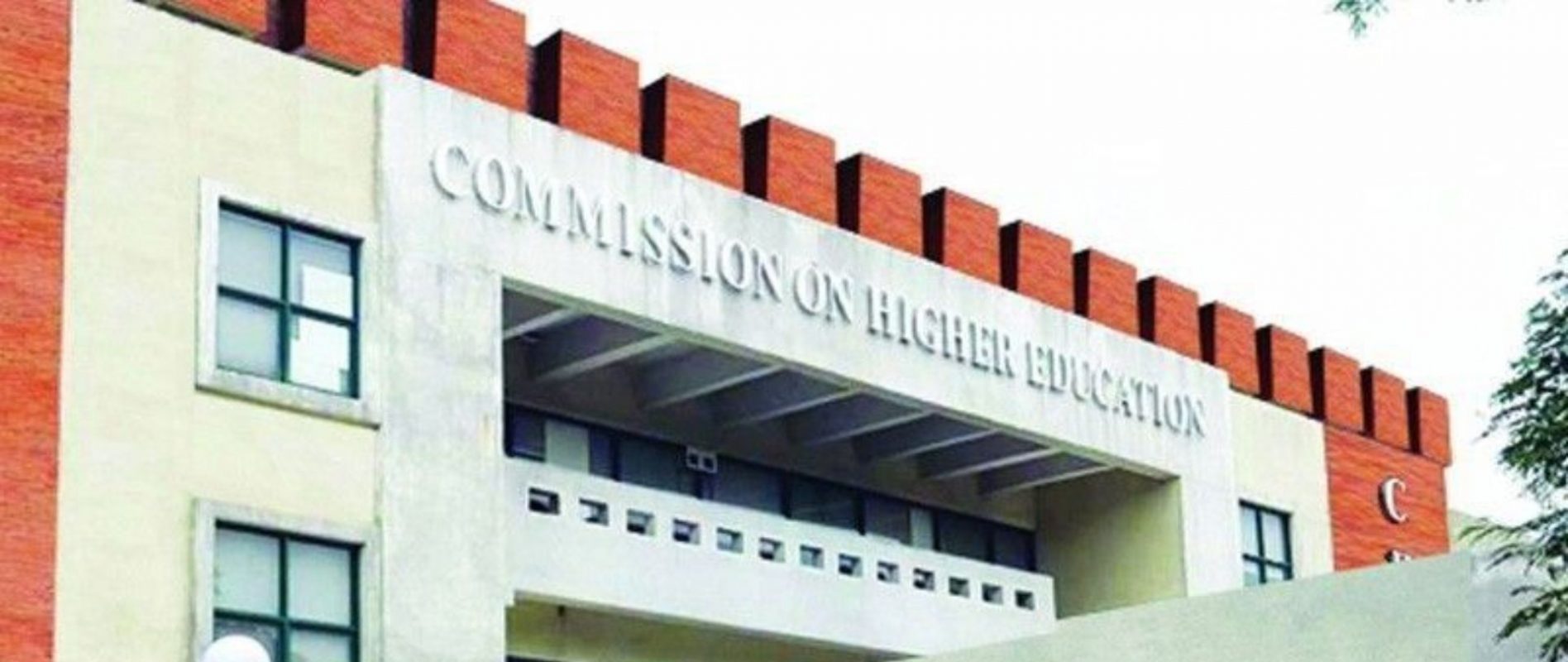
Under the bill, a National Academic Content Repository (NACR) would be established under the Commission on Higher Education (CHED), in partnership with the Department of Information and Communications Technology (DICT) and higher education institutions.
The repository would provide students and faculty nationwide with free online access to digital textbooks, lecture videos, syllabi, research papers, and open educational resources covering various academic disciplines.
The measure would also require public and private higher education institutions to provide free, campus-wide high-speed Wi-Fi to enrolled students and faculty members.
Rural and under-resourced campuses would be prioritized during the initial implementation.
Internet services would be required to meet security standards and support access to the NACR and other academic services.
Dy said access to quality education increasingly depends on access to technology, noting that students should not have to choose between purchasing learning materials, paying for internet connectivity, and meeting their basic daily needs.
The proposed law would also promote the development of Filipino academic content by providing grants for localized and open educational resources.
CHED would be directed to work with local and international publishers to secure affordable or open-access arrangements for academic materials.
Faculty members would likewise be encouraged to develop and share educational resources, with recognition and incentives for materials adopted nationally.
Dy said the measure could help narrow the gap between students in major universities and those studying in rural campuses.
“When a student in a rural campus can access the same quality academic materials available to a student in a major university, we begin to close the gap,” said Dy, who represents Isabela.
He added that allowing teachers to create and share Filipino learning materials nationwide would strengthen the higher education system as a whole.
The Speaker emphasized that digital access is becoming increasingly important not only for education and research but also for future employment.
“Young Filipinos are preparing for a world where digital skills are no longer optional,” Dy said.
He stressed that financial limitations, lack of connectivity, or limited access to learning materials should not prevent capable Filipino students from reaching their full potential.