ESSU MEDICAL PROGRAM BOOSTS ACCESS TO HEALTHCARE EDUCATION IN EASTERN SAMAR

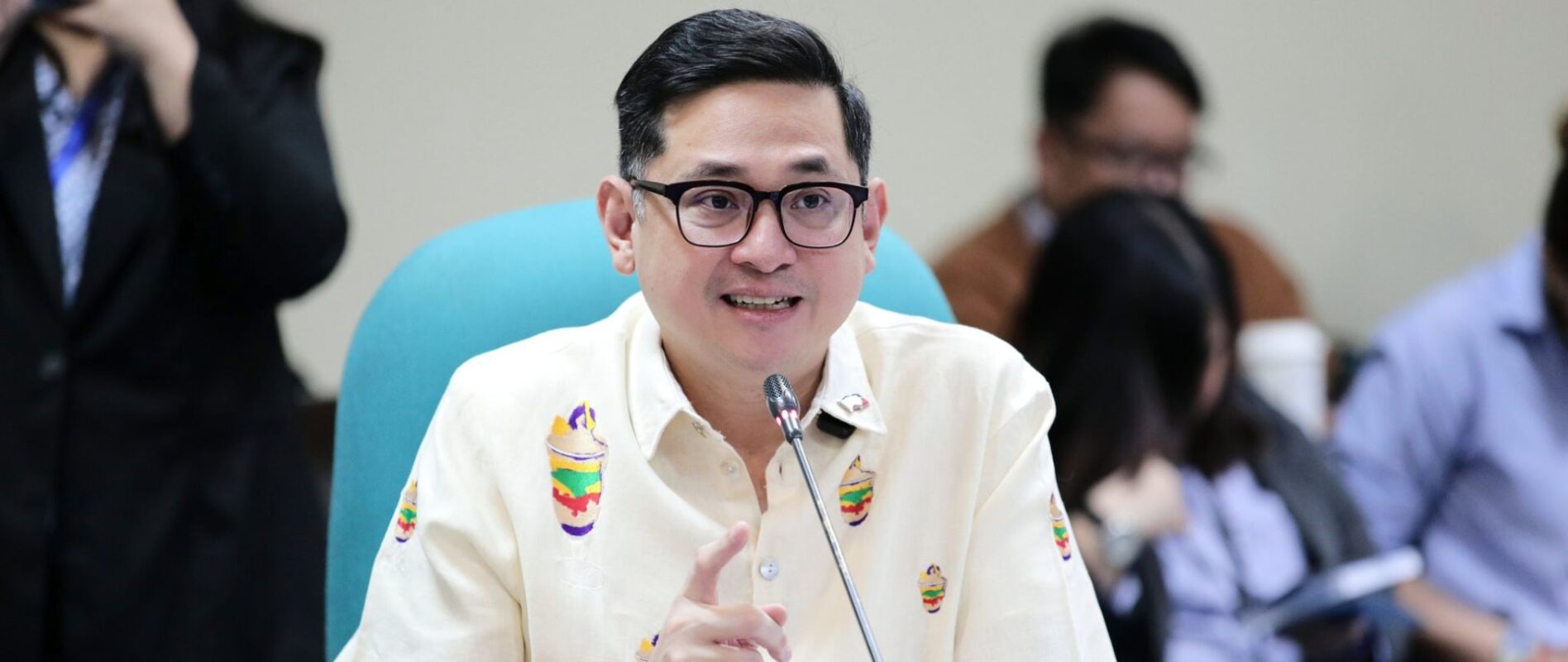
EASTERN Samar Lone District Representative Christopher Sheen Gonzales welcomed the approval by the Commission on Higher Education (CHED) of the Doctor of Medicine program at Eastern Samar State University (ESSU), describing it as a major step toward addressing the shortage of physicians in underserved communities.
Under the approval, ESSU will open its College of Medicine in Borongan City and offer the first and second years of its Doctor of Medicine program beginning in Academic Year 2026–2027.
“This approval allows ESSU to open its College of Medicine in Borongan City and begin offering the first and second years of the Doctor of Medicine program starting Academic Year 2026–2027,” Gonzales said.
The lawmaker said the new program would create more opportunities for aspiring doctors in Eastern Samar and neighboring provinces by providing access to state-subsidized medical education closer to home.
On June 17, CHED approved Doctor of Medicine programs in five state universities: Eastern Samar State University, Visayas State University, University of Eastern Philippines, Benguet State University, and Cotabato State University.
Gonzales, together with House Minority Leader Marcelino Libanan, is the principal author of a measure seeking to formally establish the ESSU College of Medicine.
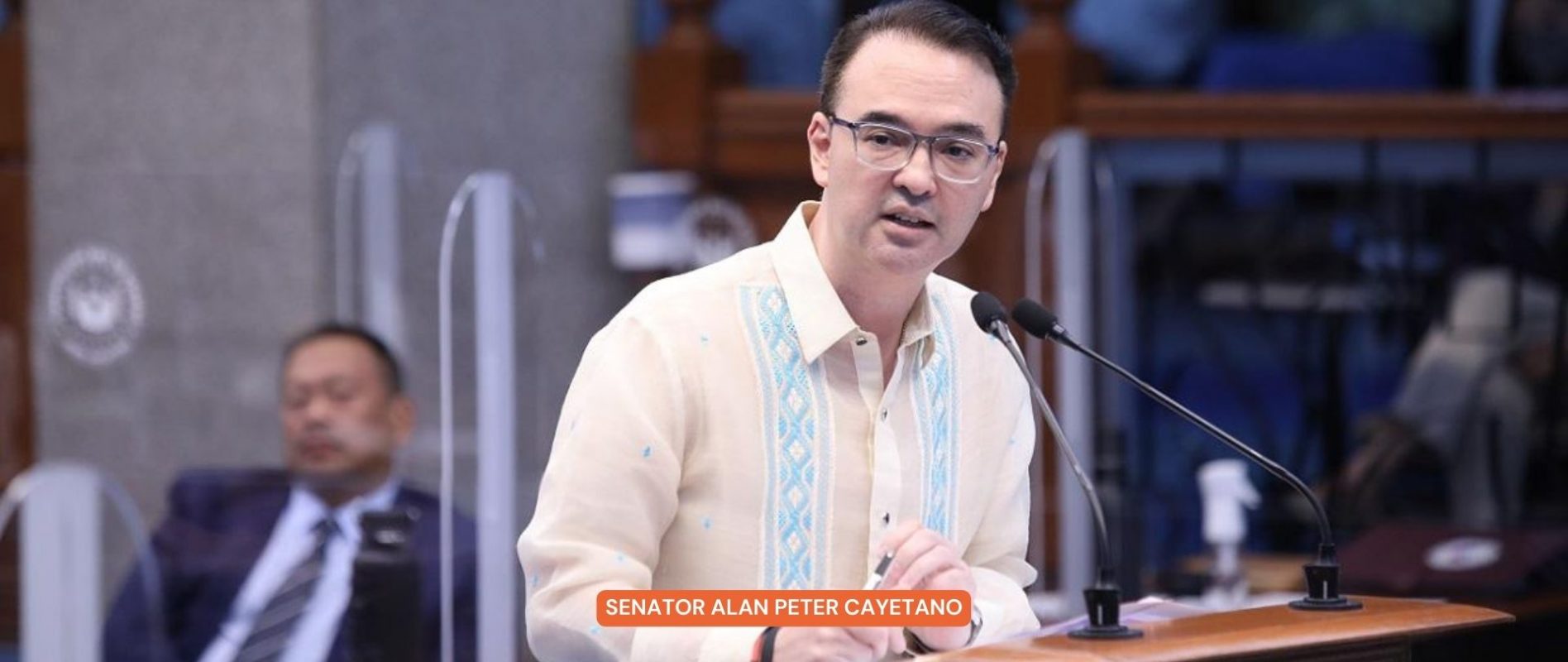
The bill has already been approved by the House of Representatives and is awaiting action in the Senate.
According to Gonzales, the proposed legislation will help accelerate the development of the medical school by providing funding and institutional support for faculty training, learning resources, and modern laboratory facilities.
“Once enacted, our measure will ensure the faster development of the ESSU College of Medicine,” he said.
The congressman also expressed optimism that the newly approved medical schools would help strengthen the country’s healthcare system by producing more physicians for communities with limited access to medical services.
“We expect the new colleges of medicine to produce highly competent doctors who will serve the communities that need them most,” Gonzales said.
The expansion of medical education comes as the Philippines continues to face a shortage of doctors. According to CHED, the country currently has a doctor-to-population ratio of 7.92 physicians per 10,000 people, below the World Health Organization’s recommended minimum of 10 doctors per 10,000 population.