EDCOM 2 BACKS END TO BLANKET CLASS SUSPENSIONS UNDER EO 130
THE SECOND Congressional Commission on Education (EDCOM 2) has welcomed the issuance of Executive Order No. 130, which establishes a new framework for class suspensions and resumptions based on actual conditions in local communities and individual schools.
The new policy adopts a key recommendation of the commission, which has been pushing for more localized and responsive guidelines on class suspensions since 2024.
Under the executive order, class suspensions will be guided by three mechanisms: automatic suspensions based on national hazard thresholds, localized decisions by local chief executives, and school-level suspensions based on documented conditions in individual campuses.
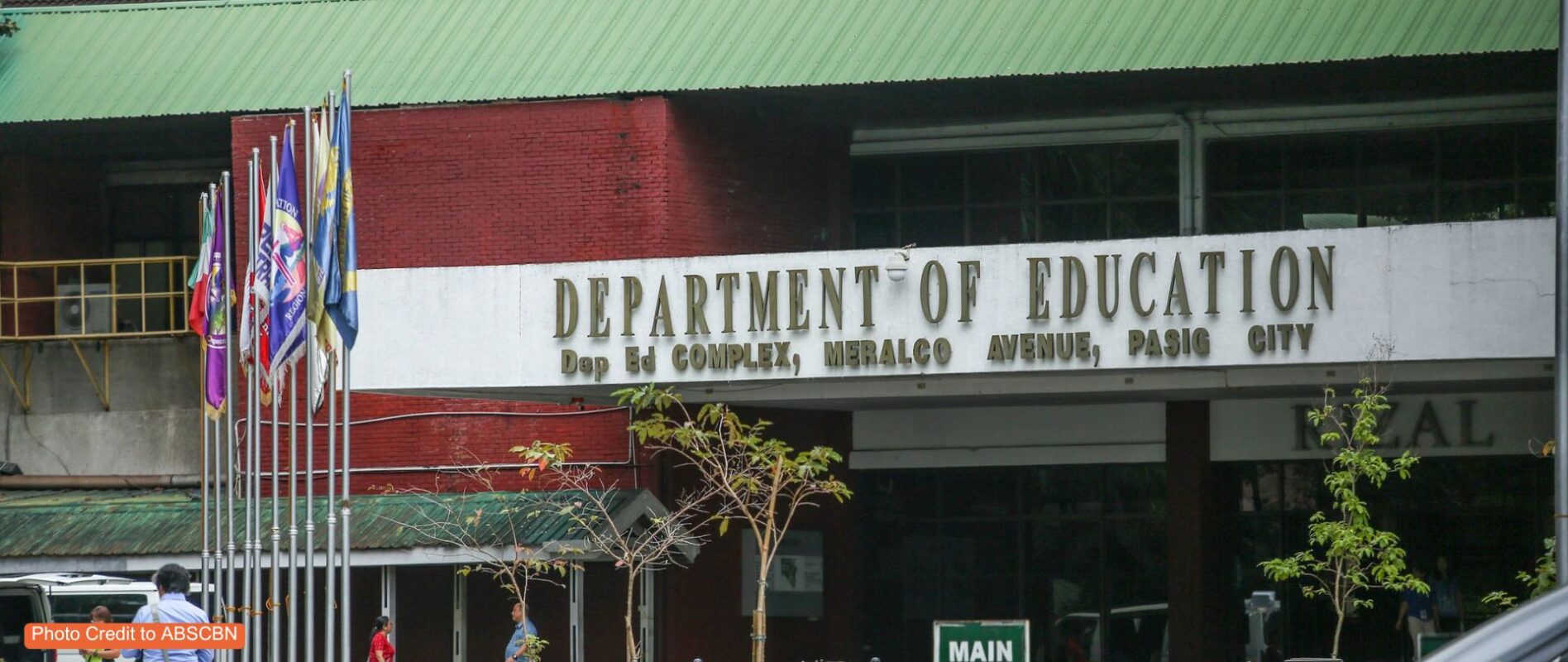
The order directs the Department of Education (DepEd), in coordination with the Commission on Higher Education (CHED), Technical Education and Skills Development Authority (TESDA), Department of the Interior and Local Government (DILG), Department of Public Works and Highways (DPWH), and relevant science agencies, to issue detailed implementing guidelines within 30 days from its effectivity.
EDCOM 2 said the new policy would allow schools in areas assessed as safe to continue or immediately resume classes even when other parts of their province or city are affected by weather disturbances or other hazards.
The commission reported that public schools lost an average of 15 school days annually due to calamity-related class suspensions during School Years 2024-2025 and 2025-2026.
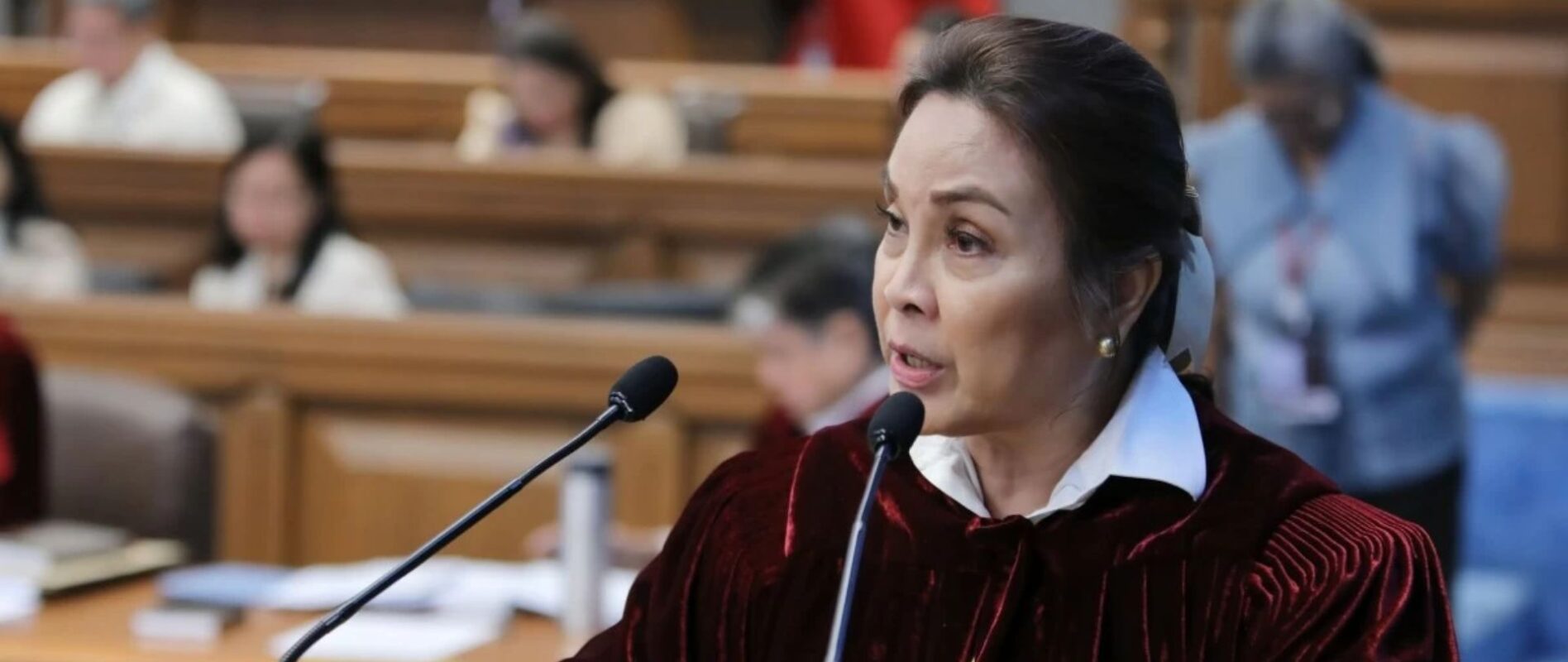
EDCOM 2 Commissioner and Senate President Sherwin Gatchalian stressed that while student safety must remain the top priority, authorities should also consider the consequences of lost instructional time, particularly for children developing foundational reading skills.
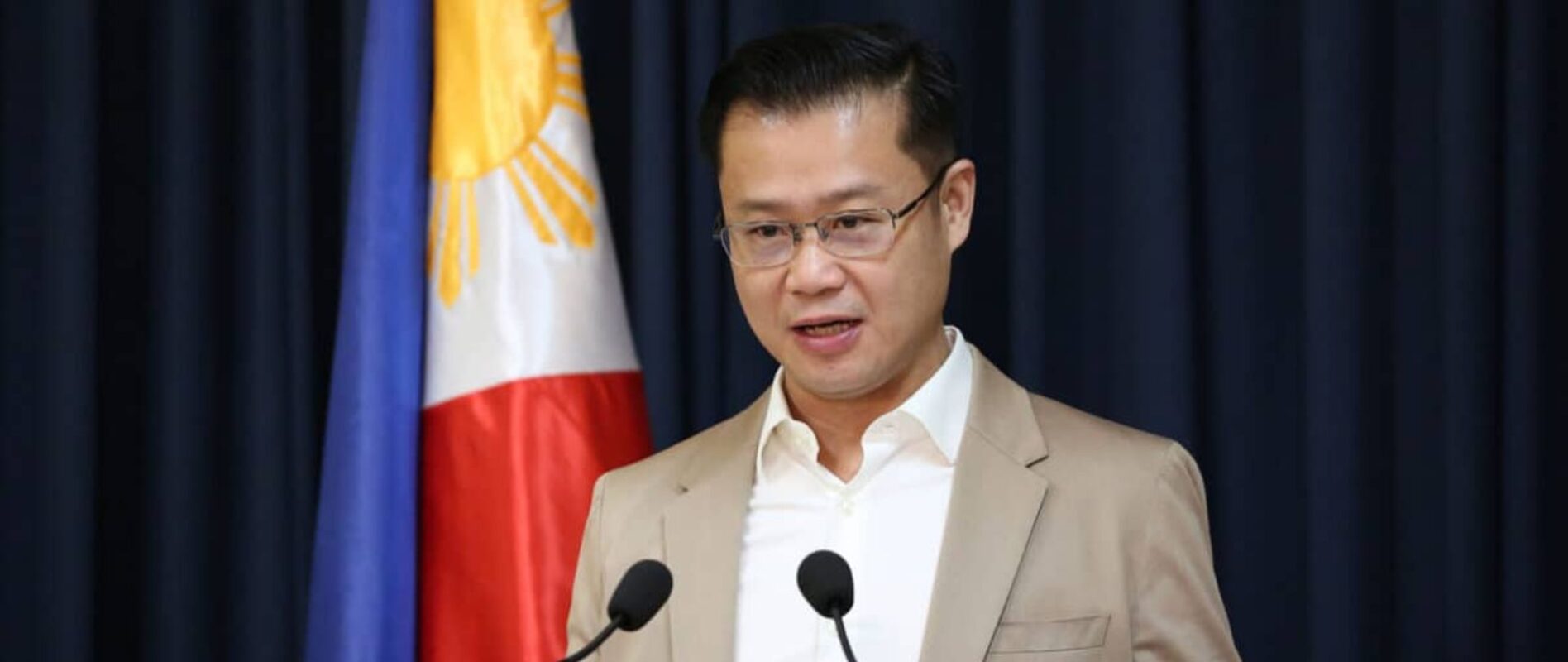
Meanwhile, EDCOM 2 Co-Chairperson and Representative Roman Romulo welcomed the shift toward localized decision-making, emphasizing that class suspension policies should reflect the actual conditions and safety risks faced by individual communities and schools.
A policy note by the commission also found that exposure to class suspensions was associated with a 0.10 standard deviation setback in reading attainment, equivalent to approximately 24 teaching days of reading progress among Grades 1 to 3 learners.
The executive order likewise clarifies that suspending face-to-face classes does not necessarily mean suspending learning.
Schools are expected to implement learning continuity measures, including online classes, printed learning materials, self-learning modules, and other alternative learning delivery modalities whenever feasible.
EDCOM 2 Co-Chairperson Senator Bam Aquino emphasized the importance of preparing alternative learning arrangements ahead of extreme weather conditions, including the expected strong El Niño, to prevent further learning disruptions and widening education gaps.
The commission said EO 130 represents an important step toward protecting instructional time while ensuring the safety of learners and teachers, particularly as the country prepares for potentially prolonged periods of extreme heat and dry conditions.