LAWMAKER URGES STRONGER SUPPORT FOR BOOK INSTITUTE AMID LITERACY CHALLENGES
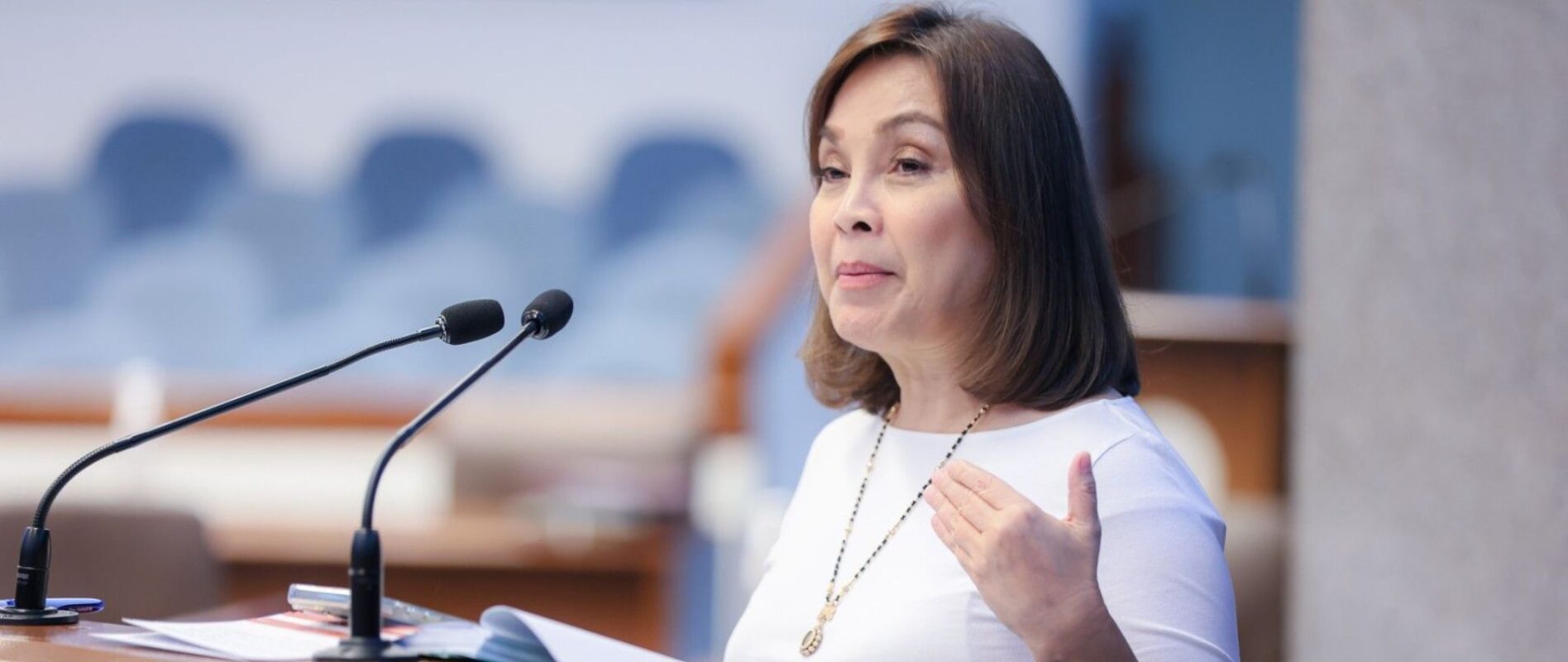
SENATOR Loren Legarda is pushing for stronger government support for the Book Institute of the Philippines (BIP), stressing that literacy should go beyond simply recognizing words and must lead to genuine comprehension.
Legarda made the call amid continuing literacy challenges in the country, with only 70.8 percent of Filipinos aged 10 to 64 meeting the functional literacy standard, according to the Philippine Statistics Authority’s 2024 Functional Literacy, Education and Mass Media Survey.
While 93.1 percent of Filipinos in the same age group have basic literacy skills, the survey showed that a significant number still struggle with comprehension.
Legarda said reading should translate into understanding, noting that comprehension is essential in making everyday decisions, including understanding contracts, medical prescriptions, and other information that can affect a person’s health, livelihood, and well-being.
She also cited continuing reading difficulties among learners, with about half of students in Grades 1 to 10 still performing below grade-level reading proficiency by the end of School Year 2025–2026, despite improvements in reading outcomes.
The senator made the statement following the graduation of 12 emerging publishing professionals under the BIP fellowship during the Solidaridad Literary Series V held on October 30 at Solidaridad Bookshop in Manila.
The fellowship, organized by the National Book Development Board (NBDB), trained participants from various parts of the country in editorial and book production, rights and licensing, marketing, and reader engagement.
Legarda called for additional funding for the BIP and NBDB to expand publishing training, strengthen local book development, and make Filipino books more accessible, particularly in underserved communities.
She stressed that children cannot be expected to develop a love for reading if they have limited access to books that are engaging, understandable, and relevant to their experiences.
According to Legarda, strengthening the country’s publishing industry should complement ongoing education reforms, including programs for struggling readers, teacher support, and early childhood literacy initiatives.
She cited the Philippine Creative Industries Development Act, the ARAL Program Act, and her proposed K to 3 Foundational Learning and Nurturing Care Act as among the measures aimed at improving learning and literacy outcomes.
Legarda said addressing the country’s literacy crisis requires a comprehensive approach involving learners, teachers, writers, publishers, and other stakeholders.
She emphasized that strengthening access to quality and relevant books is essential in ensuring that no Filipino child is left behind because of limited learning opportunities.