SOLON SEEKS NATIONWIDE DRUG PREVENTION, LIFE-SKILLS EDUCATION IN SCHOOLS
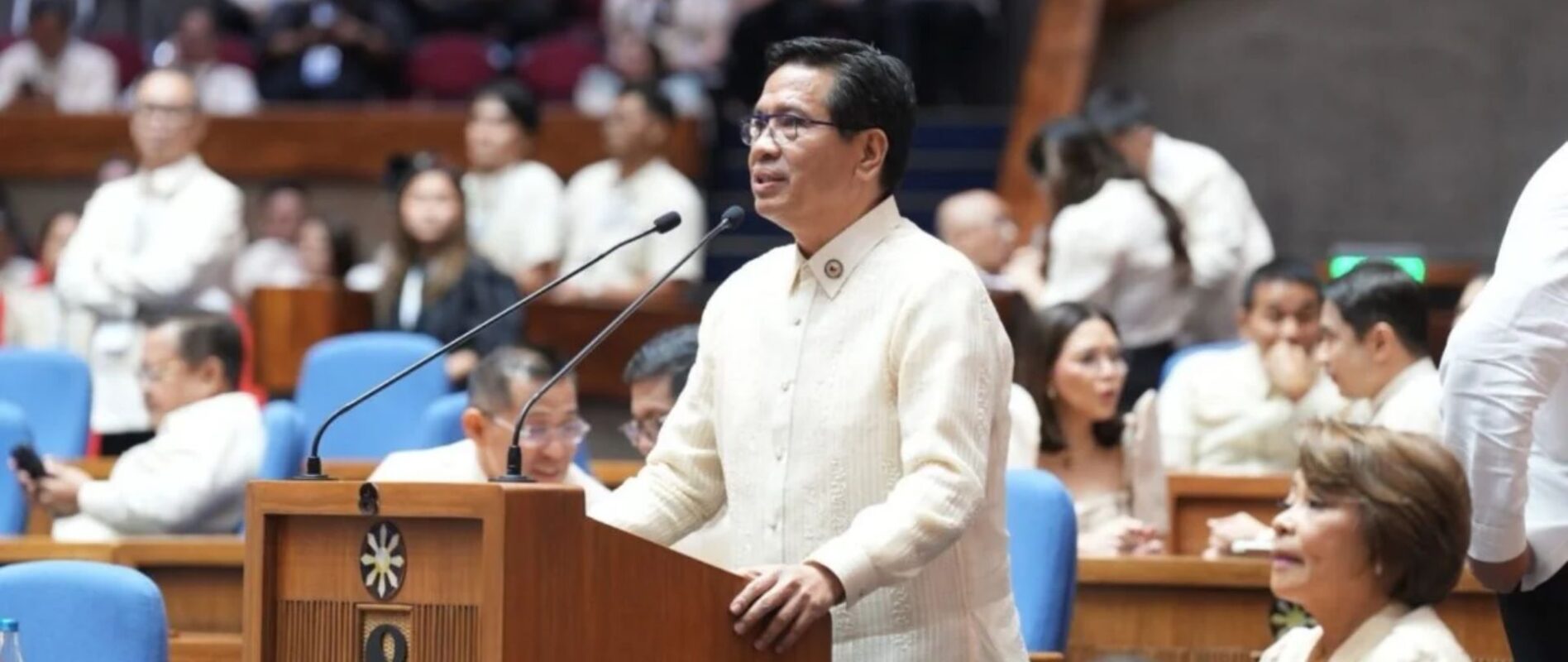
A LAWMAKER is pushing for the nationwide institutionalization of a comprehensive drug education and life skills program in basic education institutions to strengthen preventive measures against substance abuse among Filipino youth.
Las Piñas City Rep. Mark Anthony Santos filed House Bill No. 11559, or the proposed *National Drug Education Program Act*, which seeks to cover learners from Grades 4 to 12 in public and private schools, as well as those enrolled in the Alternative Learning System (ALS).
According to the bill’s explanatory note, existing laws and government initiatives have yet to ensure consistent and comprehensive drug prevention education in schools.
While Republic Act No. 9165, or the Comprehensive Dangerous Drugs Act of 2002, provides the legal framework for combating illegal drugs, and the Department of Education (DepEd) implements its Preventive Drug Education Program, school-based drug prevention instruction remains fragmented and vulnerable to changes in administrative priorities.
The proposed measure also argues that purely punitive approaches are insufficient to protect young people from substance abuse, despite reported declines in drug prevalence cited by the Dangerous Drugs Board.
“By establishing a clear legislative framework to strengthen current laws and national programs, this measure ensures sustained, age-appropriate prevention education that equips young learners with critical life skills and capabilities to curb drug use and addiction at an early age,” the bill stated.
Under the proposed legislation, drug education and life skills development would be integrated into a comprehensive national program designed to equip students with the knowledge and abilities to resist substance abuse and make informed decisions.
The program would include standardized curriculum integration developed in coordination with relevant government agencies, student-led co-curricular activities, and the establishment of anti-drug clubs in schools.
It would also provide continuous capacity-building and professional development for teachers and other education personnel to ensure the effective delivery of drug prevention education.
Through the proposed measure, Santos aims to strengthen existing government efforts by making preventive drug education a sustained and nationwide component of basic education.