EDCOM 2 PUSHES GRANULAR CLASS SUSPENSIONS TO CURB LEARNING LOSS

THE SECOND Congressional Commission on Education (EDCOM 2) is urging the government to adopt more localized and science-based policies on class suspensions, saying repeated weather-related disruptions are costing students valuable learning time.
The commission is calling on the Office of the President to amend Executive Order No. 66, which governs the suspension and resumption of classes during typhoons, floods, volcanic eruptions and other calamities.
Since 2024, EDCOM 2 has been reviewing the policy with the Department of Education (DepEd), Department of Science and Technology (DOST), Department of the Interior and Local Government (DILG), Commission on Higher Education (CHED), Technical Education and Skills Development Authority (TESDA) and other agencies.
An EDCOM analysis of DepEd data found that schools lost an average of 15 class days per school year during School Years 2024–2025 and 2025–2026 because of calamity-related suspensions.
Negros Occidental recorded the highest number of lost school days at 71 due to the prolonged eruption of Kanlaon Volcano, while Canlaon City lost 61 days. Sixteen school divisions in Metro Manila also averaged 15 lost days, largely because of monsoon rains and typhoons.
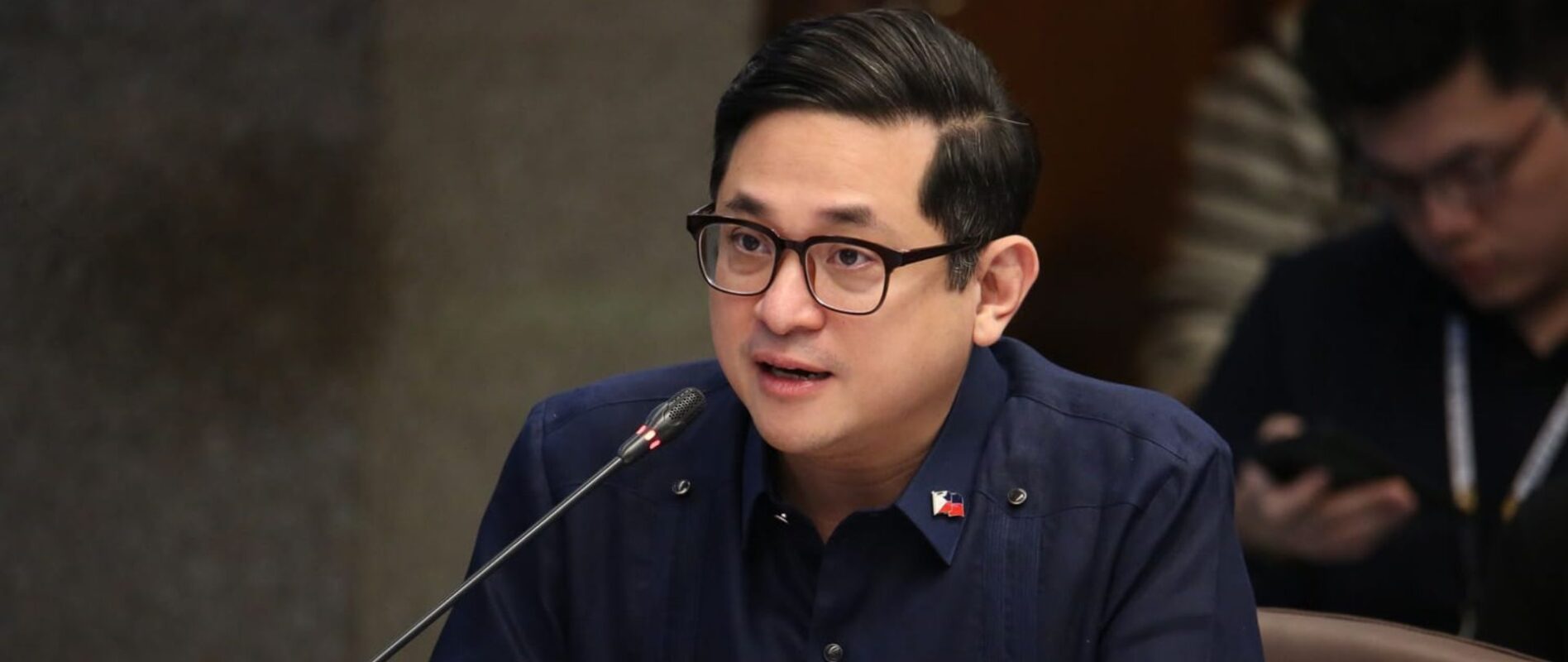
EDCOM 2 Co-Chairperson and Pasig Rep. Roman Romulo said class suspensions should be decided at the local level whenever possible instead of automatically covering entire provinces or cities.
EDCOM Executive Director Dr. Karol Mark Yee said every day of disruption comes with a learning cost that cannot easily be recovered through longer school hours or Saturday classes. He stressed the need for a system that responds to actual conditions on the ground while keeping student safety as the top priority.
Under the proposed framework, class suspensions could take place at three levels: automatic suspensions when national hazard thresholds are reached; localized suspensions ordered by local chief executives based on scientific risk assessments; and school-level suspensions or resumptions depending on conditions in individual campuses.
EDCOM 2 also called for stronger learning continuity measures, noting that online learning remains inaccessible to many students. Its Year Two Report found that only 37 percent of teachers have laptops, while just 17 percent of students have devices for online classes, making a fully digital approach unrealistic.
The commission said schools should be prepared to use printed learning packets, modules, home-based learning and other flexible delivery modes suited to their students’ needs, particularly Kinder to Grade 3 learners and struggling readers.
EDCOM data also showed that at least one in two students finished School Year 2025–2026 below their expected reading level.
To strengthen preparedness, EDCOM 2 is proposing that every school develop an annual learning continuity plan before the start of each academic year, outlining how instruction will continue during disasters and other emergencies.
Yee said DepEd’s new three-term school calendar and the pre-distribution of learning packets are promising interventions. EDCOM, he added, will continue to evaluate their effectiveness as it works to address the country’s learning and literacy crisis.