DEPED ACTIVATES EMERGENCY LEARNING MEASURES, URGES SCHOOLS TO FOLLOW 4H PROTOCOL
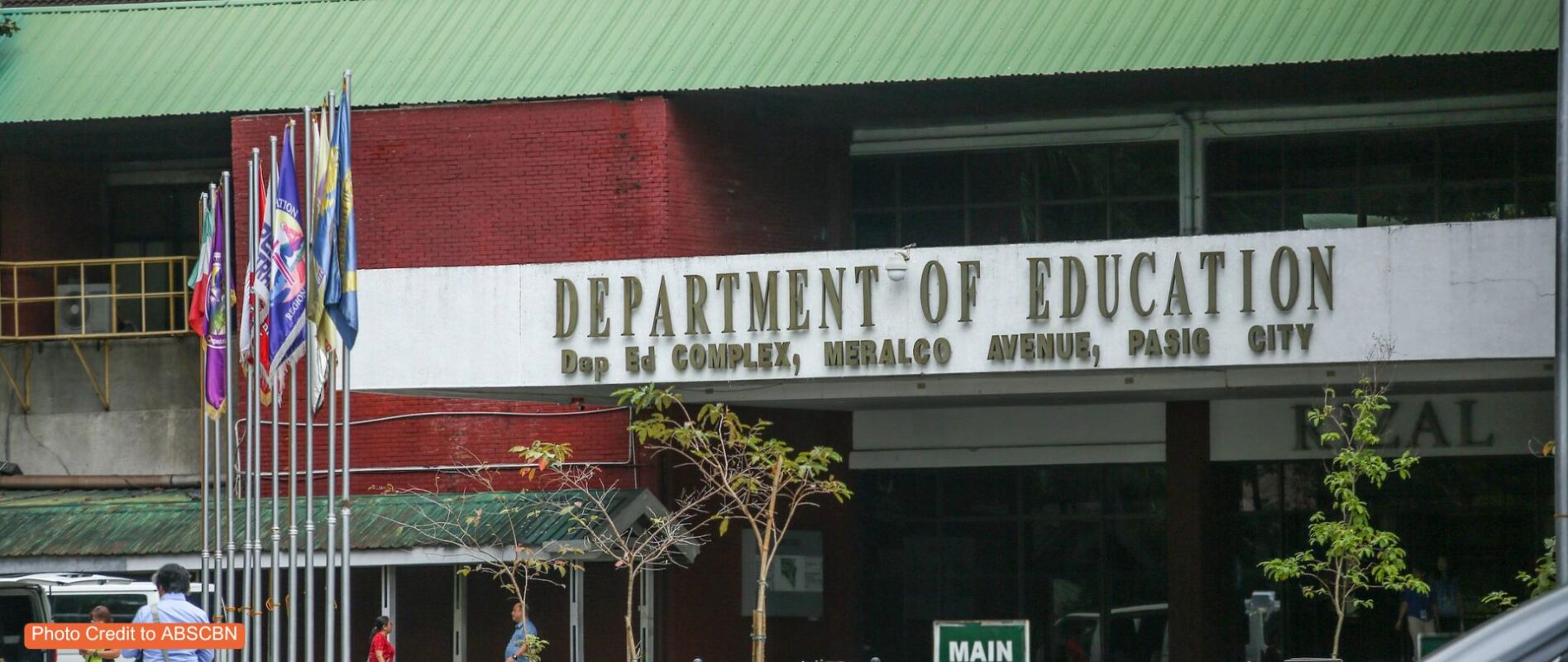
THE DEPARTMENT of Education has activated emergency learning measures as heavy rains brought by the Southwest Monsoon, or Habagat, disrupted classes in Metro Manila and several provinces.
The move follows Memorandum Circular No. 123 issued by the Office of the President, directing the use of alternative learning modes in affected areas today, unless otherwise directed by local chief executives.
DepEd said the prevailing weather conditions underscore the need for schools to apply its 4H protocol—Hinto, Hinga, Hinay, and Hayo—to guide decisions on learning delivery based on safety, learner readiness, available resources, and local conditions.
Education Secretary Sonny Angara said the policy is intended to help schools respond to emergencies while protecting learners and teachers and ensuring that learning continues whenever conditions allow.
“Kapag malakas ang ulan, baha ang daan, o may risk sa safety ng learners at teachers, hindi puwedeng one-size-fits-all ang decision. Kailangan malinaw ang batayan: ligtas ba, kaya ba, at anong klaseng learning support ang angkop? Iyan ang layunin ng 4H framework—gabayan ang schools kung kailan tutuloy, kailan babagalan, kailan hihinga, at kailan kailangang huminto muna,” Angara said.
Under the framework, Hinto applies when conditions become unsafe or when the safety, protection, or basic needs of learners are at risk. At this level, academic activities are temporarily suspended to allow schools and communities to prioritize safety, emergency response, and essential support.
Hinga is applied when learners, teachers, and school personnel need time to recover from stress, disruption, or displacement. Schools may conduct well-being checks, provide psychosocial support, and offer light asynchronous activities. However, submissions and regular academic requirements should not be imposed.
Hinay, or the yellow level, applies when there is disruption but learning can still continue in an adjusted and teacher-supervised manner. Schools may use synchronous or asynchronous learning modalities depending on available resources, connectivity, and local conditions.
Hayo is activated once conditions have returned to normal and regular learning can safely resume.
DepEd emphasized that in areas where local governments or schools have shifted to asynchronous or alternative learning modes because of the ongoing rains, these arrangements may be treated as Hints, provided that learners and teachers are safe and learning requirements are adjusted to the situation.
The department stressed that learning continuity during emergencies does not mean forcing learners to complete regular academic work amid unsafe or highly stressful conditions.
Instead, schools are expected to calibrate learning delivery according to actual risks, available resources and access, as well as the well-being of learners, teachers, and other school personnel.
“Sa ganitong panahon, ang unang dapat isipin ay kaligtasan. May mga sitwasyong kailangang Hinto muna, may kailangan ng Hinga para makabawi, may puwedeng mag-Hinay sa pamamagitan ng adjusted learning, at may babalik sa Hayo kapag normal na ang lahat. Ang mahalaga, hindi natin ipipilit ang iisang response sa magkakaibang sitwasyon ng learners, teachers, at mga komunidad,” Angara said.