DEPED FAST-TRACKS LEARNING CONTINUITY SPACES IN DISASTER-PRONE AREAS
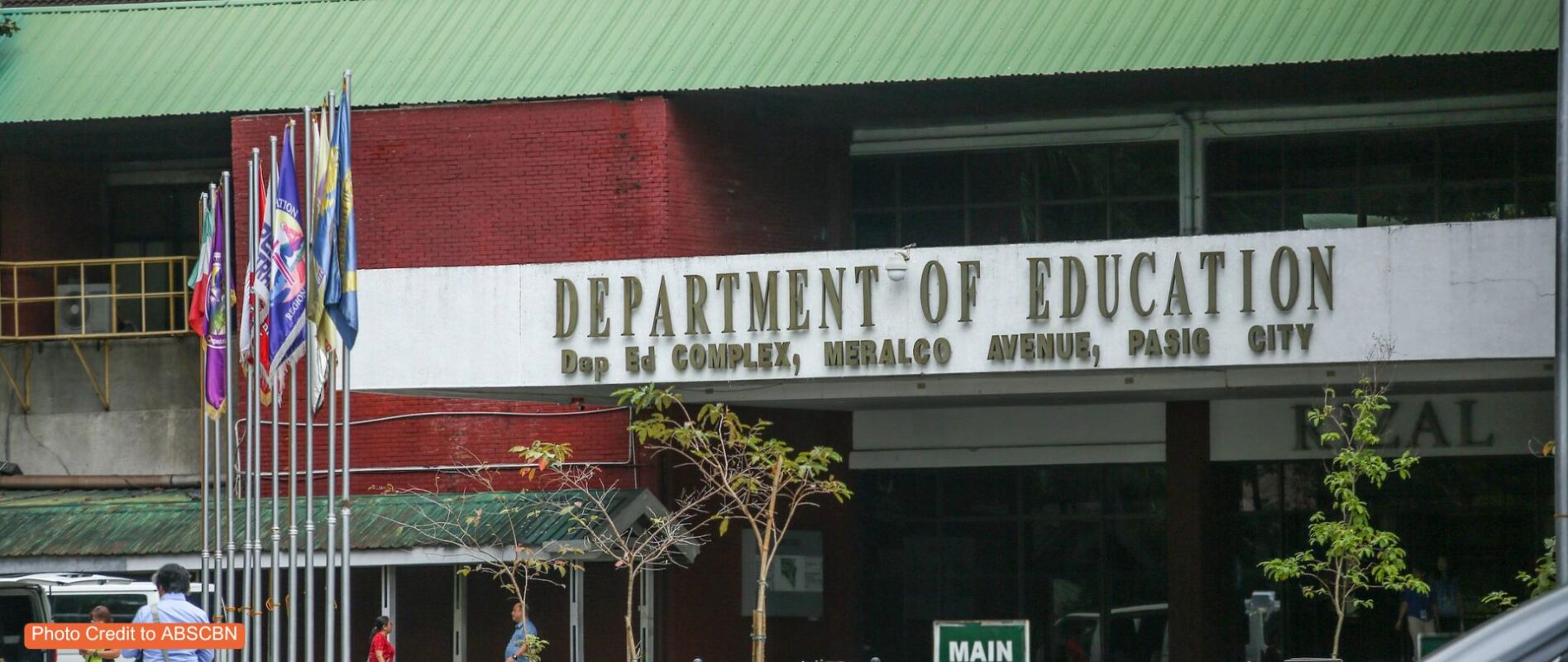
TO ENSURE learning continuity in disaster-prone areas, the Department of Education (DepEd) on Friday said it has accelerated the delivery of Learning Continuity Spaces (LCS).
This is in line with the directive of President Ferdinand R. Marcos Jr. to ensure quality education and the welfare of learners and teachers in the public school system.
In a statement, DepEd Secretary Sonny Angara said the disaster-resilient LCS are crucial to prevent learning loss in disaster-prone areas.
The program also offers a rapid, cost-efficient solution to address classroom backlogs in schools facing the most urgent infrastructural needs.
“Malinaw ang direktiba sa atin ni Pangulong Bongbong Marcos na tiyaking walang maiiwang mag-aaral, kaya itong Learning Continuity Spaces ang mabilis nating tugon para hindi maputol ang kanilang klase tuwing may kalamidad (The directive of President Marcos is clear — to ensure that no learner will be left behind. The LCS is our immediate response to prevent class disruptions in times of calamities),” he said.
Under the agency’s PHP3.5-billion program for LCS, at least five disaster-resilient prefab units have been deployed to Quezon, Bulacan, Davao del Norte, Davao de Oro and Bohol.
“Sa tulong ng mga makabagong prefab classrooms na ito, mas mabilis nating nalalagpasan ang mga karaniwang delay sa construction habang pinapanatili ang mataas na kalidad at ligtas na espasyo para sa ating mga mag-aaral (With the help of new prefab classrooms, we can easily surpass the usual delays in construction while maintaining the high quality and safe spaces for our learners),” Angara said.
To date, 159 out of the 1,622 target prefab units of LCS are currently undergoing construction, with the target completion in July.
Additionally, 505 units are moving through various stages of the procurement pipeline, including 462 sites under active procurement and 43 projects already awarded and awaiting their final Notice to Proceed.
The DepEd is also leveraging diversified implementation pipelines, which include partnerships with 109 local government units to date and Public-Private Partnership initiatives for 3,100 classrooms under the School Infrastructure Program. (PNA)