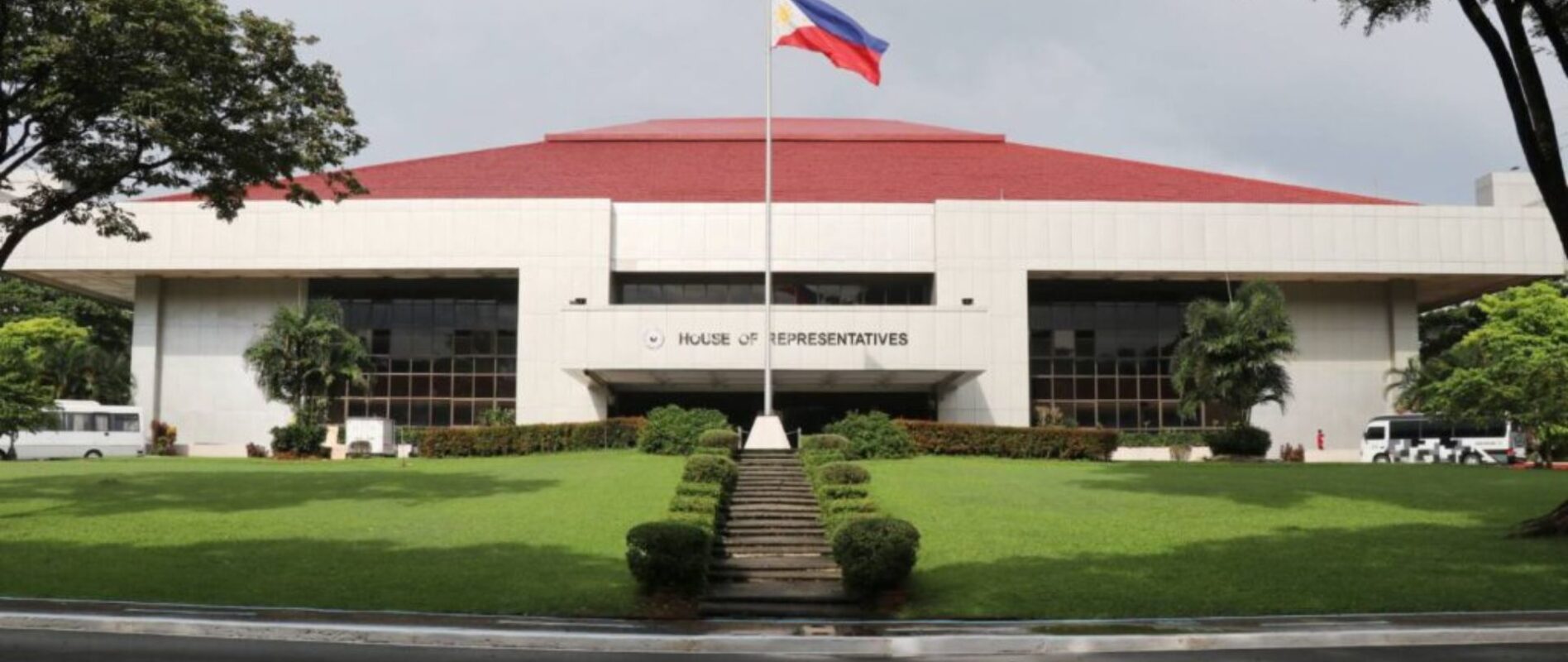
LAWMAKER PUSHES BILL TO HELP REHABILITATED DRUG DEPENDENTS REBUILD LIVES THROUGH TECHVOC TRAINING

SENATOR Loren Legarda has filed a measure seeking to strengthen the economic reintegration of rehabilitated drug dependents through technical-vocational education, skills training, and livelihood opportunities.
Under Senate Bill No. 2104, or the Reintegration Through Skills Initiative, rehabilitated drug dependents who meet standard enrollment requirements would be guaranteed access to programs of the Technical Education and Skills Development Authority (TESDA) and would not be excluded solely due to their history of drug dependence.
In the bill’s explanatory note, Legarda emphasized that substance use and drug dependence in the Philippines have long been viewed primarily through the lens of law enforcement and criminality.
She noted that many individuals who complete rehabilitation continue to face stigma, discrimination, and barriers to employment, which increase their risk of poverty and relapse.
The proposed measure seeks to go beyond treatment by establishing a structured support system within TESDA.
Among the services outlined in the bill are intake and referral assistance, prior learning assessments, health and wellness support, psychosocial services, peer mentoring, trainer sensitization, flexible learning modalities, and entrepreneurship assistance.
The bill also directs the Department of Labor and Employment (DOLE) to help facilitate job placements, engage employers, and provide labor market information to ensure training programs align with current workforce demands.
To prevent discrimination, TESDA certificates issued under the program would only reflect the competencies acquired and would be treated the same as certificates earned by any other Filipino who completed the same qualifications.
Legarda said embedding the initiative within TESDA’s regular functions would provide a sustainable framework for reintegration, recognizing education and livelihood as key tools in restoring dignity, rebuilding lives, and breaking cycles of marginalization.
She expressed hope for the measure’s passage, saying it would help rehabilitated drug dependents become productive members of society and improve their chances for long-term recovery and self-reliance.