SENATOR EYES SAFER ACCESS TO EDUCATION IN FAR-FLUNG COMMUNITIES
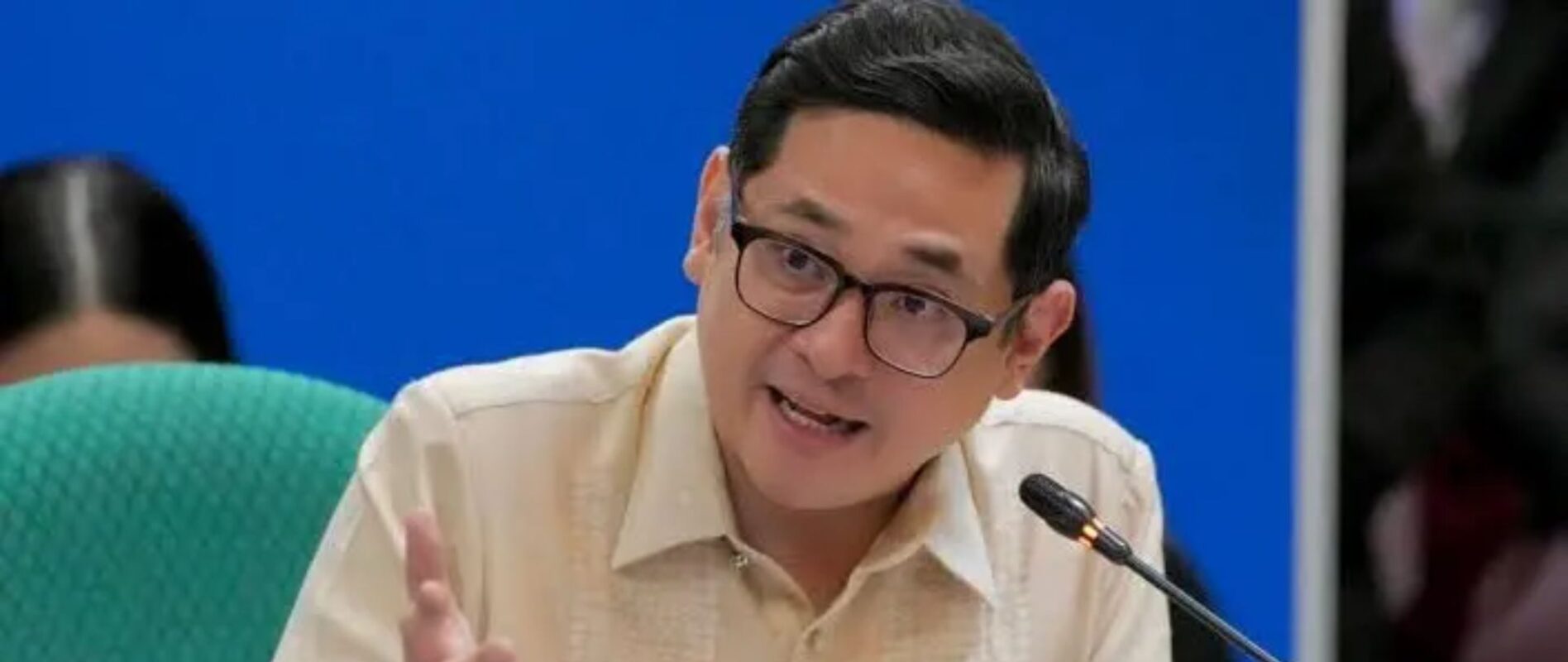
SENATOR Bam Aquino has endorsed for plenary approval a measure aimed at improving access to education in Geographically Isolated and Disadvantaged Areas (GIDA), seeking to ensure that students in remote communities can reach school more safely and easily.
Senate Bill No. 1937, titled An Act Institutionalizing Support for Public Basic Education Schools in Geographically Isolated and Disadvantaged Areas and Appropriating Funds Therefor, proposes to institutionalize the government’s Last Mile Schools Program.
Aquino said the measure aims to ensure sustained support for students, teachers, and communities in remote areas where access to quality education remains a major challenge.
According to Aquino, chairperson of the Senate Committee on Basic Education, consultations with stakeholders revealed that many students in far-flung communities continue to face dangerous and difficult journeys just to attend school.
He cited viral videos showing children swimming across rivers, crossing damaged bridges, climbing mountains, or walking for hours before reaching their classrooms.
Aquino noted that challenges persist even after students arrive at school, including a shortage of teachers, dilapidated classrooms, and multigrade classes where students from different levels share the same room.
Students in these areas also often have limited access to learning materials, feeding programs, and psychological support services.
The proposed measure outlines several reforms aimed at improving access to education in remote communities, including the establishment of accessibility standards to ensure schools are ideally located within a three-kilometer walking distance from students’ homes.
“At kung hindi po iyon posible dahil sa geography ng isang GIDA, dapat mayroong ligtas at murang transportasyon para sa mga estudyante,” Aquino emphasized.
The bill also calls for the construction of adequate classrooms and closer coordination among government agencies to ensure schools have access to electricity and internet connectivity.
It likewise provides additional support for teachers assigned to remote areas, including hazard pay, transportation and hardship allowances, as well as housing assistance or staff housing.
Aquino said the measure encourages the prioritization of hiring local teachers, noting that they are often more familiar with the language, culture, and realities of the communities they serve.
Under a whole-of-nation approach, the Department of Education, Department of Public Works and Highways, Department of Energy, and the Department of Information and Communications Technology, along with local government units and civil society organizations, will coordinate efforts to address infrastructure, electricity, and connectivity needs in remote schools.
The National Commission on Indigenous Peoples will also coordinate with DepEd to ensure the protection of Indigenous Peoples’ rights and the integration of culturally appropriate learning programs.
Once enacted, Aquino expressed optimism that the measure would help ensure that every child in geographically isolated and disadvantaged areas has access to quality education supported by adequate facilities, dedicated teachers, and strong community involvement.
“This measure is a critical step toward addressing our education crisis. Sa pamamagitan ng panukalang batas na ito, nais nating matiyak na walang batang Pilipino ang maiiwan dahil lamang sa layo ng kanilang tirahan,” Aquino said.