STRONGER FREE COLLEGE LAW TO PRIORITIZE POORER STUDENTS — LAWMAKER
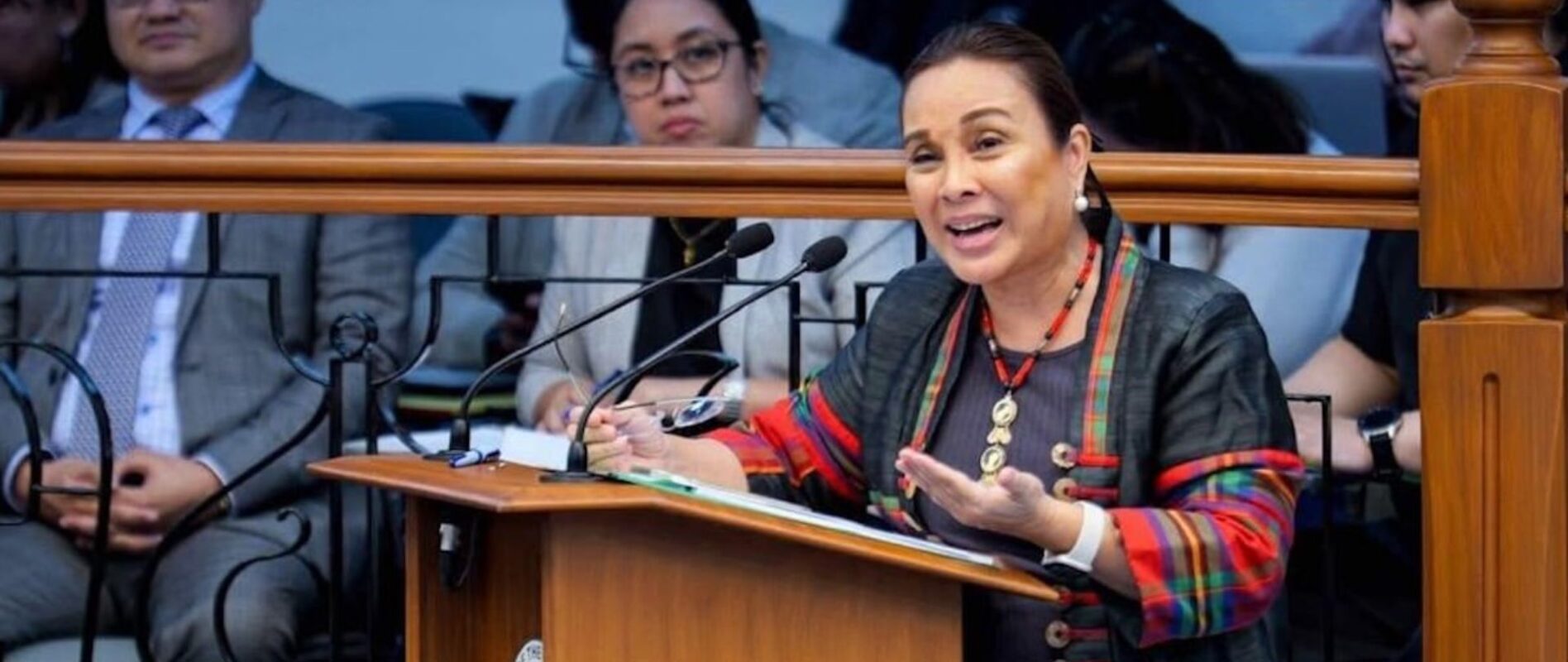
SENATOR Loren Legarda welcomed the signing of Republic Act No. 12325, describing it as a landmark reform that strengthens the country’s free college program and gives more disadvantaged Filipino students a better chance to stay in school and complete their studies.
Signed by President Ferdinand Marcos Jr. on September 4, 2026, the new law enhances the Universal Access to Quality Tertiary Education Act by improving the Tertiary Education Subsidy (TES) and directing financial assistance more effectively to students from the poorest households.
Legarda, principal author and sponsor of Senate Bill No. 1894, said free tuition alone is not enough if students cannot afford transportation, books, food, and other education-related expenses.
The law gives priority for TES eligibility to senior high school graduates from Pantawid Pamilyang Pilipino Program (4Ps) households once they are admitted to qualified higher education institutions or state-run technical-vocational institutions.
According to data cited by the senator, the share of TES beneficiaries from the poorest households dropped from 70.73% in 2018 to 22.89% in 2022.
In Academic Year 2024–2025, only 4,746 of more than 384,000 4Ps senior high school graduates received TES as first-year beneficiaries.
RA 12325 also requires regular reviews of TES grant amounts to ensure that assistance keeps pace with the rising cost of education.
It further mandates state universities and colleges, local universities and colleges, and state-run technical-vocational schools to adopt Equity and Inclusion Plans for students with disabilities, Indigenous Peoples, and learners from geographically isolated and disadvantaged areas.
The measure likewise establishes a Private Education Assistance Program, extending financial support to qualified students enrolled in private higher education institutions and technical-vocational schools.
Legarda, an EDCOM II Commissioner, said the reform shifts the focus of education policy from simply increasing enrollment to ensuring that more Filipino students successfully graduate despite financial hardship.