SENATOR HAILS GIDA SCHOOLS LAW
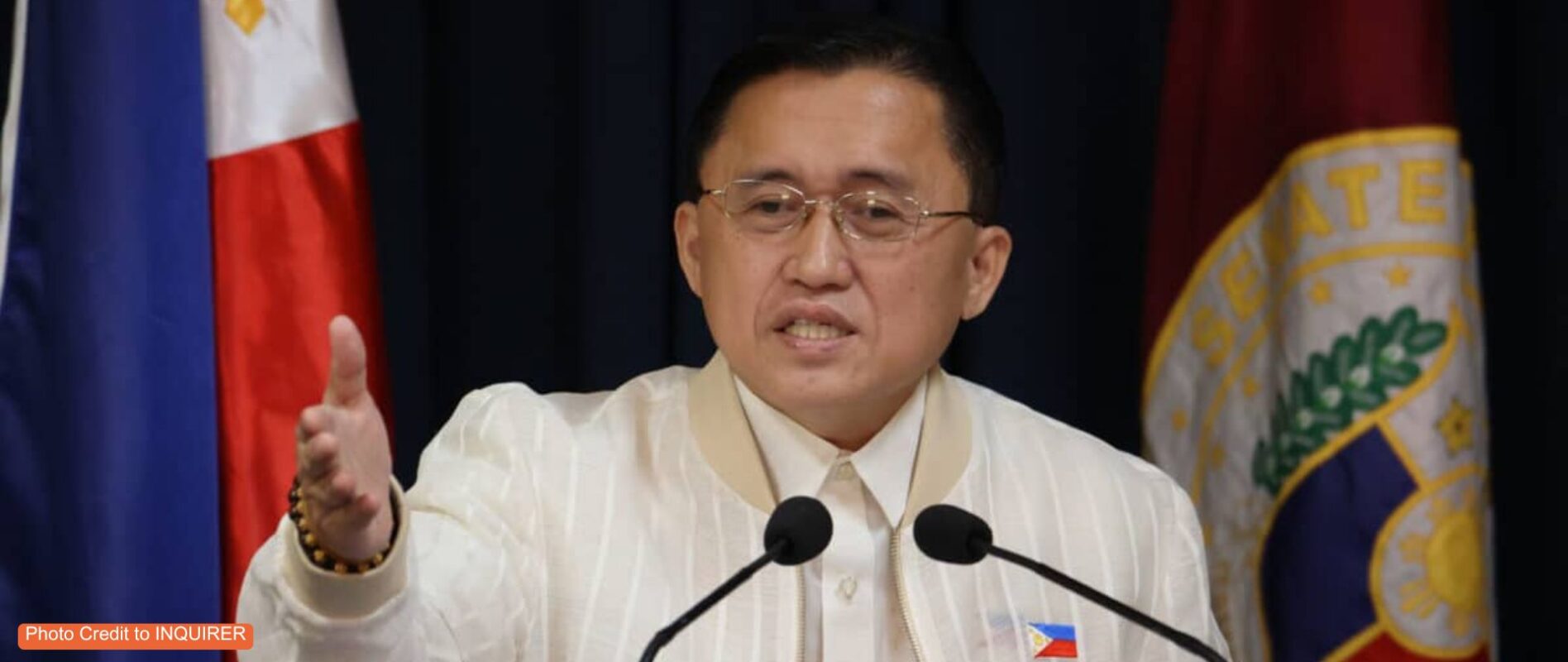
SENATOR Christopher “Bong” Go has welcomed the enactment of Republic Act No. 12321, or the Last Mile and GIDA Schools Act, saying the new law will help ensure that children in remote and disadvantaged communities have equal access to quality education.
Go, chairperson of the Senate Committee on Youth and a co-author and co-sponsor of the measure, said no Filipino child should be deprived of educational opportunities because of distance or geography.
“Distance should never be a barrier to education. It is our responsibility to bring government services, especially education, closer to communities that have long been left behind,” Go said.
Enacted on July 22, RA 12321 institutionalizes a national program for public basic education schools in geographically isolated and disadvantaged areas (GIDAs), including conflict-affected, underserved, and hard-to-reach communities.
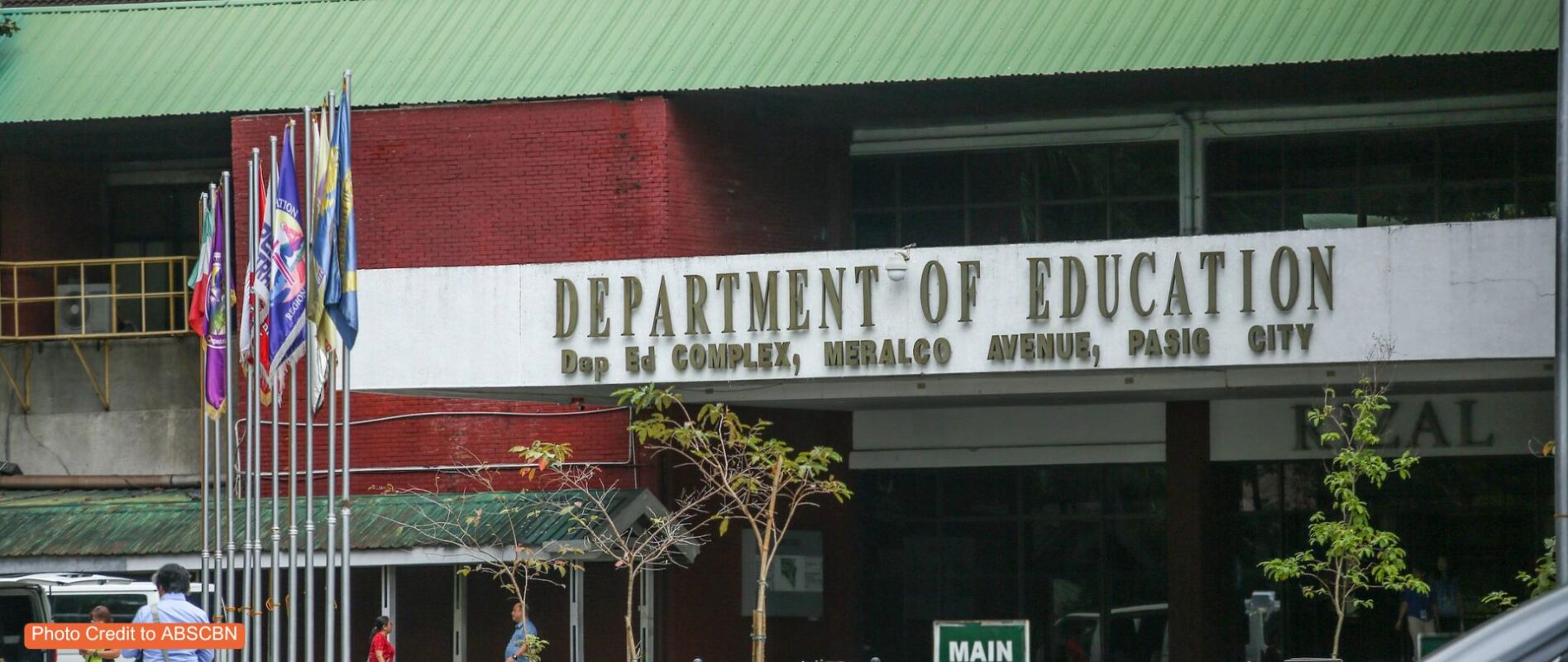
The law requires the Department of Education (DepEd) to adopt a national school accessibility standard, with learners expected to have access to a basic education school within a walkable distance of three kilometers whenever feasible.
Where terrain or safety concerns make this impossible, DepEd and local government units must provide alternative learning arrangements and transportation assistance.
Go recalled witnessing firsthand the hardships faced by students in far-flung communities in the Davao Region, where some children walk for up to two hours just to reach school.
Beyond classroom construction, the law mandates improvements in access roads, electricity, internet connectivity, water and sanitation facilities, learning materials, health and nutrition services, and alternative learning modalities.
It also provides hardship and mobility assistance, transportation, and possible housing support for teachers assigned to remote schools.
Within one year, DepEd is required to develop and publish a National Last Mile and GIDA Schools Map to identify underserved schools and guide future government investments.
Go said the measure complements his broader education agenda, including support for tertiary education subsidies, the No Permit, No Exam Prohibition Act, the Free College Entrance Examinations Act, the Alternative Learning System Act, and the Basic Education Mental Health and Well-Being Promotion Act.
He urged implementing agencies to ensure that the law delivers tangible improvements for students and teachers in mountain communities, Indigenous villages, distant islands, and conflict-affected areas.